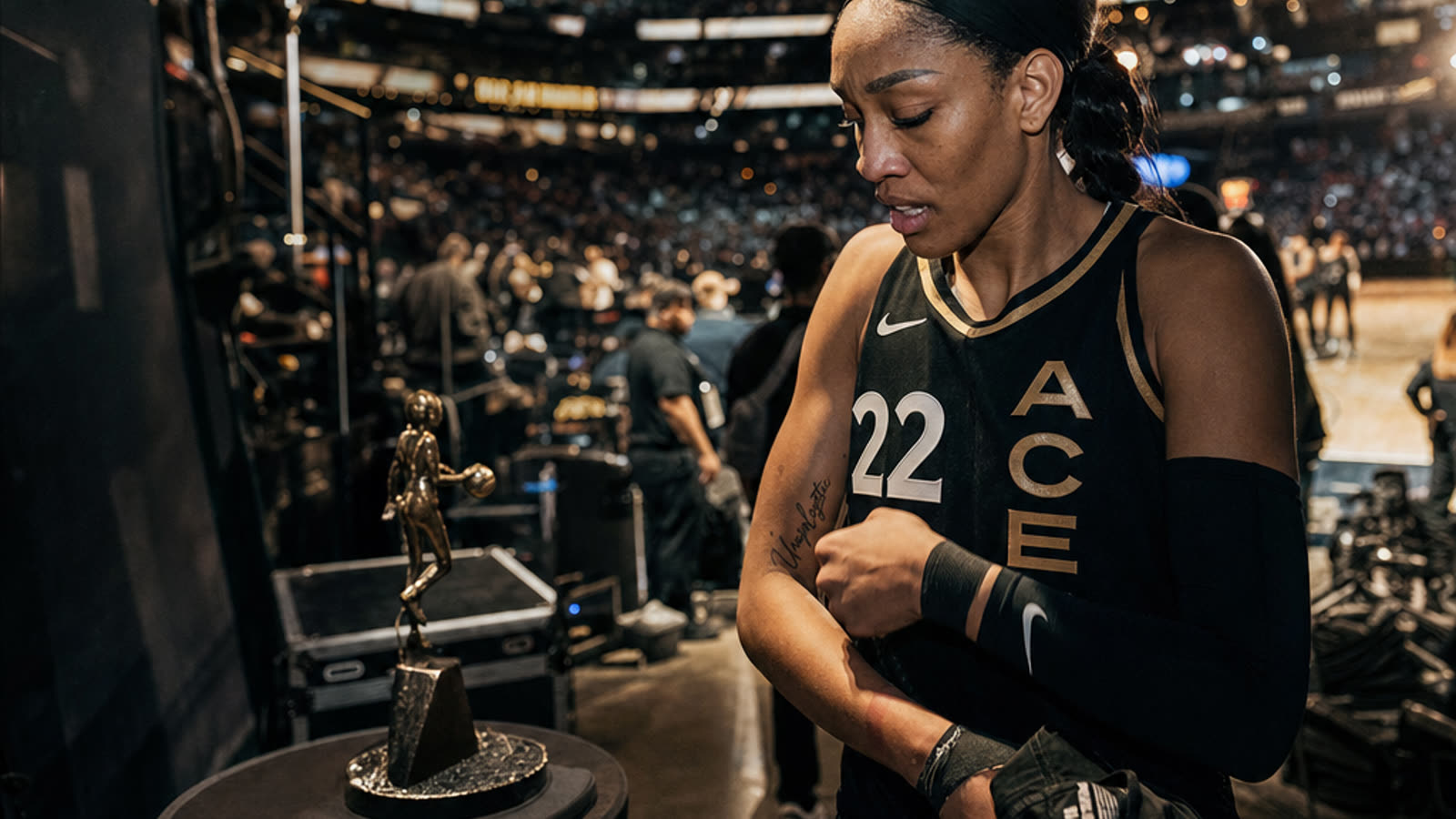
A'ja Wilson has won her fifth Most Valuable Player award, a feat that would dominate any normal news cycle in women's basketball. Instead, the 30-year-old center has asked the league to skip the traditional pregame ceremony before Game 3 of the WNBA Finals. She has a series to win.
This small act of deferred gratification tells you everything about where the Las Vegas Aces stand in 2026. They are not collecting individual hardware; they are constructing a monument. Wilson's MVP announcement—her third consecutive, her fifth overall—arrived as almost an afterthought to the franchise's larger project: becoming the first true dynasty in modern WNBA history.
The numbers behind the dominance
Wilson's statistical case this season was, as usual, unanswerable. She led the league in scoring for the fourth consecutive year while anchoring the Aces' defense. But what separates this iteration of Las Vegas from previous championship teams is institutional memory. The core has remained intact through multiple title runs, developing the kind of telepathic chemistry that takes years to build and seconds to recognize on the court.
Head coach Becky Hammon has created a system that maximizes Wilson's gifts while distributing responsibility across a roster that knows its roles with military precision. The Aces do not rely on heroics; they manufacture advantages through preparation and execution. Wilson's willingness to subordinate her own celebration to the team's immediate needs is not martyrdom—it is simply how this organization operates.
What a dynasty requires
The WNBA has had excellent teams before. The Houston Comets won four consecutive titles in the league's infancy. The Seattle Storm and Minnesota Lynx have each claimed multiple championships. But no franchise has combined sustained excellence with the cultural footprint the Aces are building in Las Vegas.
The city that once seemed an unlikely home for women's professional basketball has embraced the team with genuine fervor. Attendance figures have climbed steadily. The Aces have become appointment viewing in a market saturated with entertainment options. Wilson, meanwhile, has transcended the sport's traditional audience, becoming one of the most recognizable athletes in American professional basketball regardless of gender.
Our take
There is something almost old-fashioned about Wilson's request to skip the ceremony. In an era of personal branding and maximized moments, she chose competitive focus over spectacle. The Aces are up in the Finals series, but nothing is guaranteed—and Wilson knows that legacies are built on championships, not regular-season awards. Her fifth MVP will still be there after Game 3. The question is whether a third consecutive title will join it. That Wilson sees the distinction clearly is precisely why she keeps winning both.