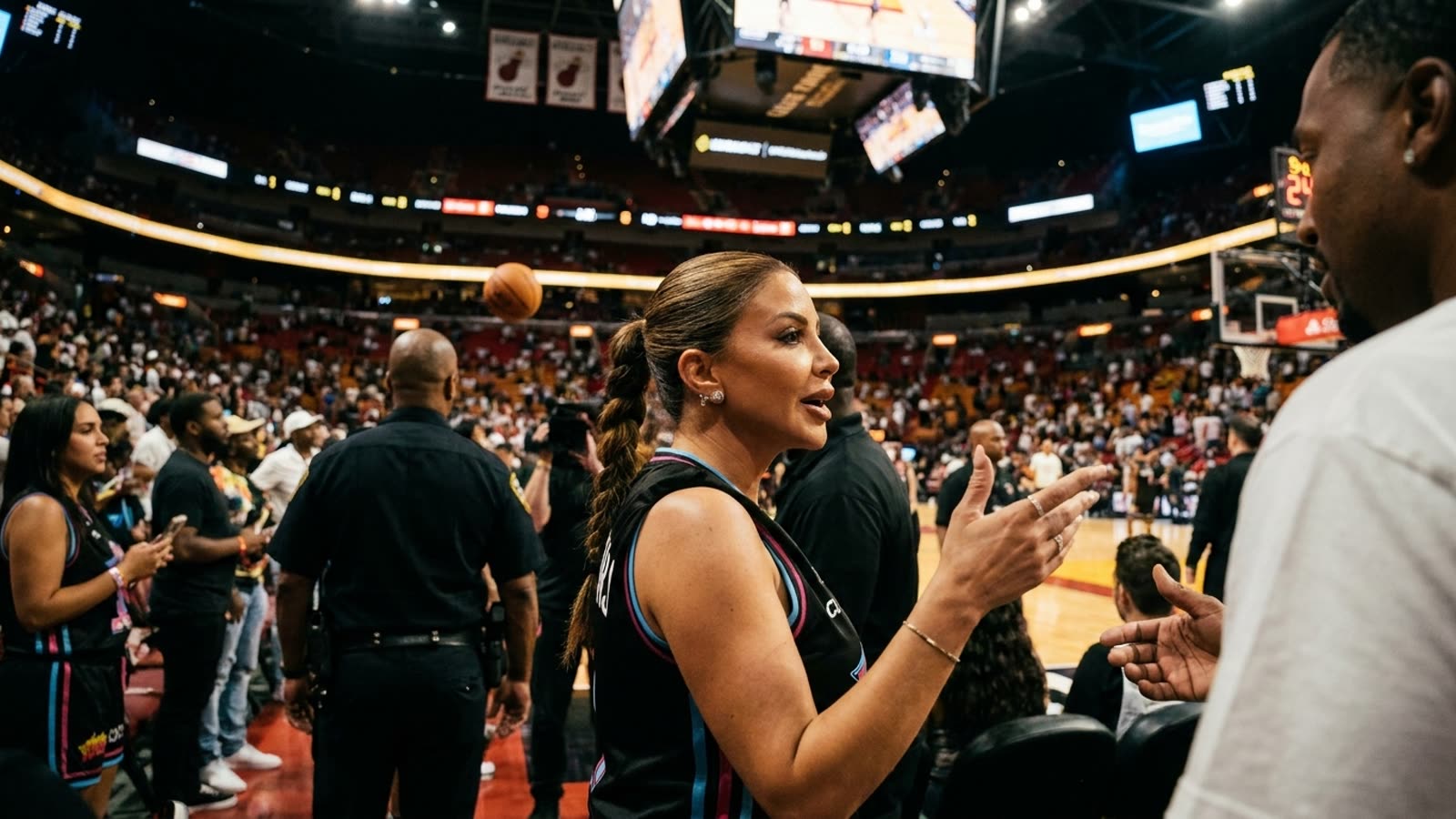
Larsa Pippen celebrated her 52nd birthday this week with the sort of social media fanfare that once required actual celebrity to command. The former wife of NBA legend Scottie Pippen, now a fixture on Bravo's The Real Housewives of Miami and a reliable presence in gossip columns, has achieved something genuinely interesting: she has monetised adjacency itself.
The numbers are instructive. Pippen's Instagram following exceeds four million. Her Housewives salary reportedly sits in the mid-six figures per season. Her various brand partnerships—skincare, fitness, the usual wellness-industrial complex—generate income streams that dwarf what most working actors earn. All of this built not on a body of work, but on a body of relationships: marriage to a Hall of Famer, a briefly scandalous friendship with the Kardashians, and a tabloid-ready romance with Marcus Jordan, son of Michael.
The economics of proximity
What Pippen understood early—and what a generation of reality personalities have since copied—is that fame has become fungible. You no longer need to do something; you need to be adjacent to someone who did. The Kardashian empire pioneered this, but it required a sex tape and a decade of relentless brand-building. Pippen's path was more efficient: marry into basketball royalty, cultivate the right friendships, and wait for reality television's insatiable appetite for recognisable faces to come calling.
The Real Housewives franchise has become the finishing school for this particular career track. The show provides a salary, a platform, and—crucially—a narrative frame that transforms personal drama into content. Pippen's on-again, off-again relationship with Marcus Jordan wasn't just gossip; it was a storyline that kept her relevant across multiple news cycles.
The longevity question
At 52, Pippen faces the challenge that all proximity celebrities eventually confront: what happens when the adjacency fades? Her divorce from Scottie is old news. Her Kardashian estrangement has been litigated endlessly. Marcus Jordan appears to be out of the picture. The raw material of her fame is depleting.
Her answer, so far, has been to double down on the Housewives ecosystem, where age is less disqualifying than in other corners of entertainment. The franchise's audience skews older and values the accumulated drama of long tenures. Lisa Rinna lasted eight seasons on the Beverly Hills edition; Pippen may be angling for similar longevity in Miami.
Our take
There is something almost admirable about Pippen's hustle, even if the product itself is thin. She identified a gap in the celebrity market—famous-adjacent women with good bone structure and a willingness to perform conflict—and filled it with entrepreneurial precision. Whether this constitutes a meaningful contribution to culture is beside the point. She has built a business, and the business is herself. At 52, that business remains solvent, which is more than most can say.