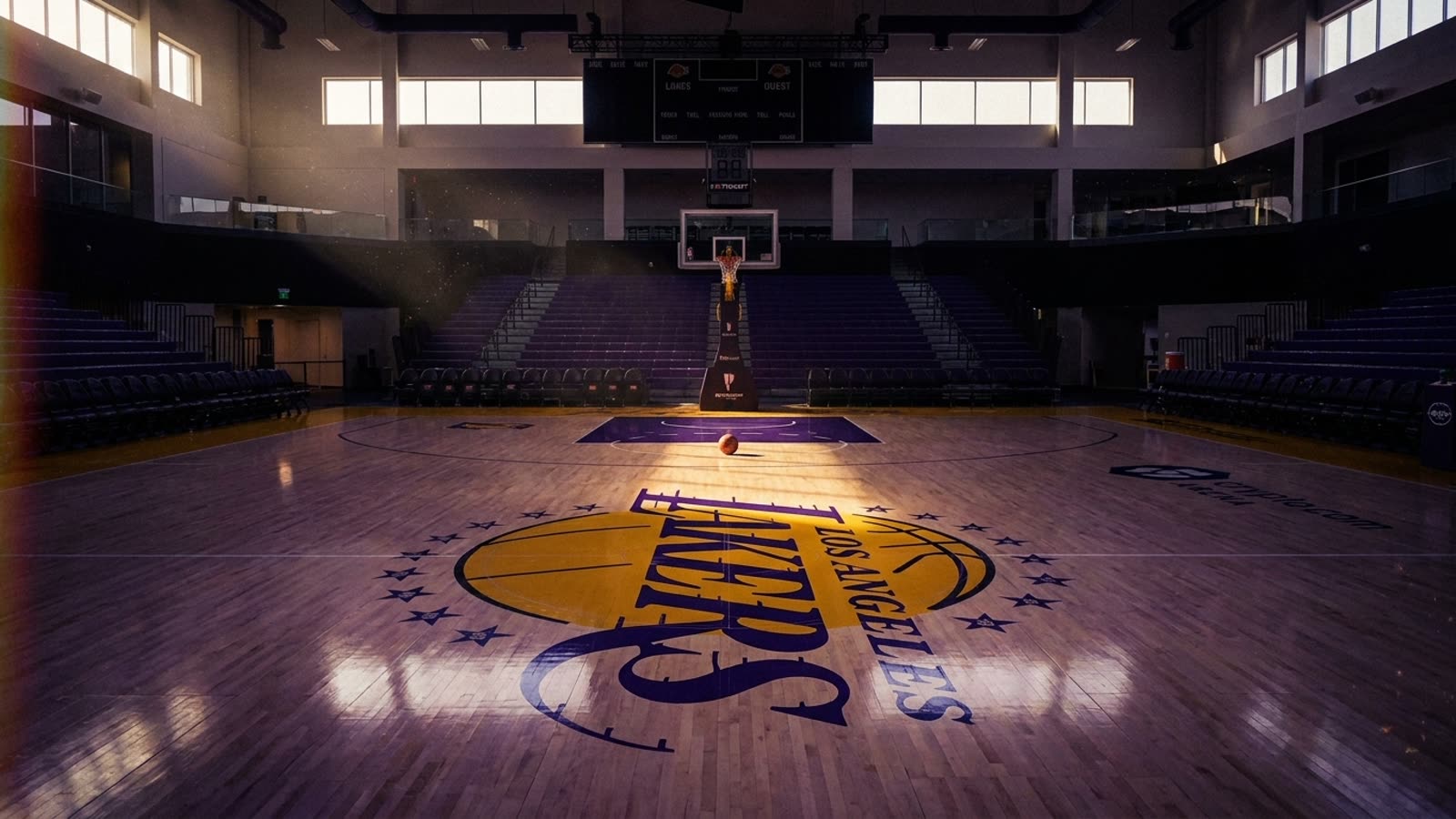
For a decade, the Los Angeles Lakers have operated under a simple premise: acquire stars, figure out the rest later. It worked spectacularly in 2020, when LeBron James and Anthony Davis bulldozed through the bubble to a title. It has worked precisely zero times since.
Now, facing elimination against the Oklahoma City Thunder, the Lakers are staring at the logical endpoint of their philosophy. The Thunder lead 3-0 not because they have more talent—though Shai Gilgeous-Alexander is playing like the best guard on the planet—but because they have more everything else. Depth. Cohesion. Youth. A system that doesn't require heroics to function. The Lakers, meanwhile, are still asking their aging stars to conjure magic while surrounded by spare parts.
The officiating complaint tells the whole story
The Lakers have joined a growing chorus of teams complaining about how the Thunder are officiated, particularly around Gilgeous-Alexander's ability to draw contact. It's the kind of grievance that emerges when you've run out of tactical answers. Oklahoma City's offense is predicated on relentless drives, secondary actions, and shooters who punish help defense. The Lakers' counter has been to hope their stars outscore the problem. That's not a scheme; it's a prayer.
What makes the disparity so glaring is that OKC built this roster through patience and process—the very virtues the Lakers have repeatedly rejected. While Los Angeles traded picks and young players for win-now upgrades, the Thunder stockpiled assets, developed talent, and waited for their moment. Chet Holmgren, Jalen Williams, and Lu Dort didn't arrive via blockbuster deals. They arrived via drafts the Lakers couldn't participate in because they'd already mortgaged those selections.
The superstar model isn't dead, but it's changed
To be clear, stars still matter enormously. Boston proved that last year, and Denver the year before. But both of those champions paired their headliners with deep, versatile rosters constructed through shrewd drafting and player development. The Lakers have done neither. Their supporting cast is a patchwork of veterans on minimum deals and reclamation projects, none of whom move the needle against elite competition.
The Thunder, by contrast, can go ten deep without a significant drop-off. Their closing lineup features five players who can switch defensively and create offense. When Gilgeous-Alexander rests, the machine keeps humming. When LeBron or Davis sits, the Lakers' offense devolves into isolation ball and contested mid-range shots. One team has a philosophy; the other has a collection of names.
Our take
The Lakers' predicament isn't just about this series—it's about organizational identity. They've spent years believing their market and mystique entitle them to shortcuts. Sign the biggest names, let the basketball sort itself out. Oklahoma City is demonstrating, in embarrassing fashion, that modern championship construction requires more than star power and brand equity. It requires vision, patience, and a willingness to build rather than simply buy. The Lakers can keep blaming the referees if they want. The real call they're missing is the one for a new strategy.