The residents of Lake Tahoe's California side woke up this month to discover they'd been outbid for their own electricity. Liberty Utilities, the regional provider that has served the area for decades, informed roughly 50,000 customers that it would be exiting the residential market to focus on a single client: a massive AI data center being constructed in the Reno corridor. The company framed the decision as a strategic pivot. The people left scrambling for alternative power arrangements have other words for it.
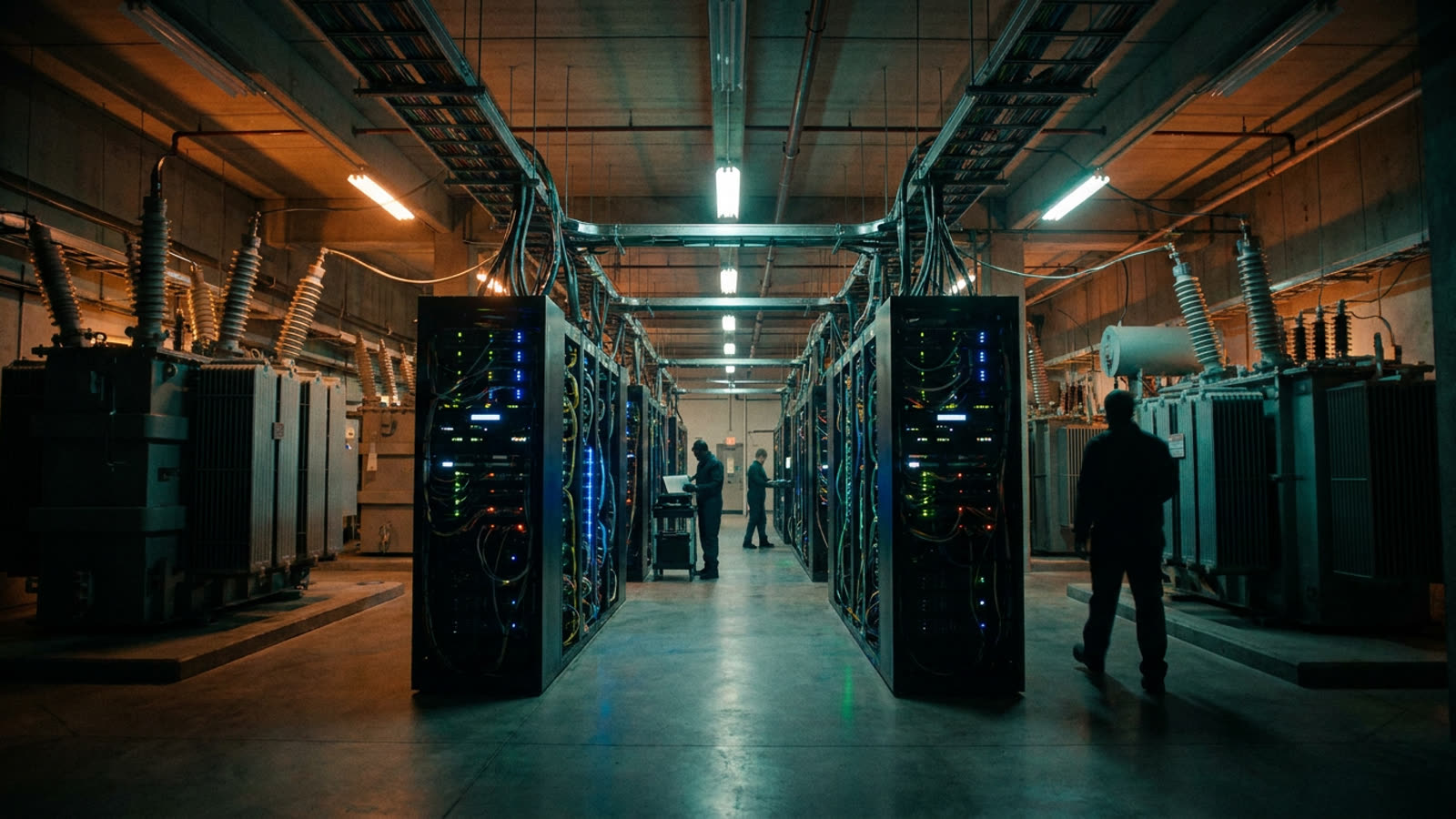
This is not a story about corporate greed, though there's plenty of that. It's a story about what happens when the economics of artificial intelligence collide with the infrastructure assumptions of the twentieth century. Data centers now consume more electricity than many small nations. A single large facility can draw 100 megawatts or more—enough to power 80,000 homes. When a utility can sign one contract that matches the revenue of an entire residential customer base, with none of the billing headaches, meter readers, or customer service calls, the math becomes uncomfortable.
The new resource curse
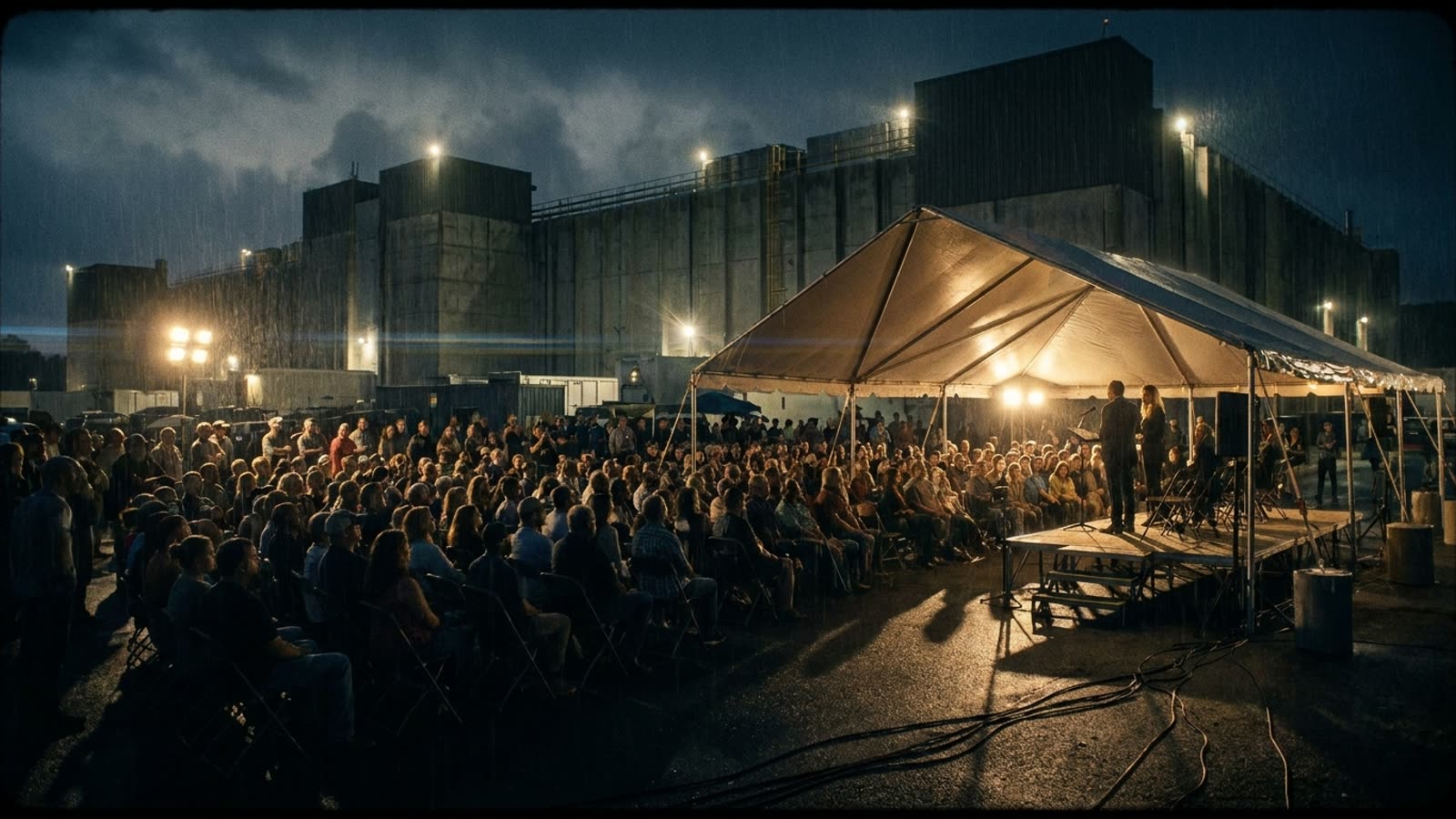
Lake Tahoe joins a growing list of communities discovering that proximity to cheap power has become a liability rather than an asset. In Pennsylvania, residents have packed town halls to protest data center developments that promise jobs but deliver mostly humming transformers and security fences. In Texas, crypto miners and AI facilities compete for grid capacity during heat waves, occasionally forcing rolling blackouts. The pattern is consistent: energy-intensive industries arrive, local infrastructure strains, and residents find themselves competing for resources they once took for granted.
The Tahoe situation is distinctive only in its bluntness. Most utilities maintain the polite fiction that they serve all customers equally while quietly prioritizing industrial loads. Liberty Utilities dispensed with the pretense. The company's filings with California regulators make clear that residential service has become a distraction from its core business strategy. Shareholders, presumably, are delighted.
The regulatory void
California's Public Utilities Commission now faces an uncomfortable question: can a utility simply abandon its service territory? The legal framework assumes that power companies, in exchange for their monopoly status, accept an obligation to serve. But that framework was designed for an era when utilities wanted more customers, not fewer. The commission has ordered Liberty to maintain service through the end of 2026 while it studies the matter, which is bureaucratic language for "we have no idea what to do."
Meanwhile, the affected residents are exploring alternatives ranging from community choice aggregation to rooftop solar, none of which can be implemented quickly enough to matter. Some have begun selling vacation properties, reasoning that a cabin without reliable electricity is merely an expensive tent. Property values in the affected areas have dropped an estimated 15 percent since the announcement.
Our take
The AI industry's electricity appetite was always going to create winners and losers. We just didn't expect the losers to include entire ZIP codes of upper-middle-class Californians with excellent lawyers and strong opinions about their property rights. Lake Tahoe's misfortune may finally generate the political will for serious infrastructure planning that poorer communities' complaints never could. That's not justice, but it might be progress. The alternative—a country where algorithms have more reliable power than people—is too dystopian even for the companies building those algorithms to defend publicly.