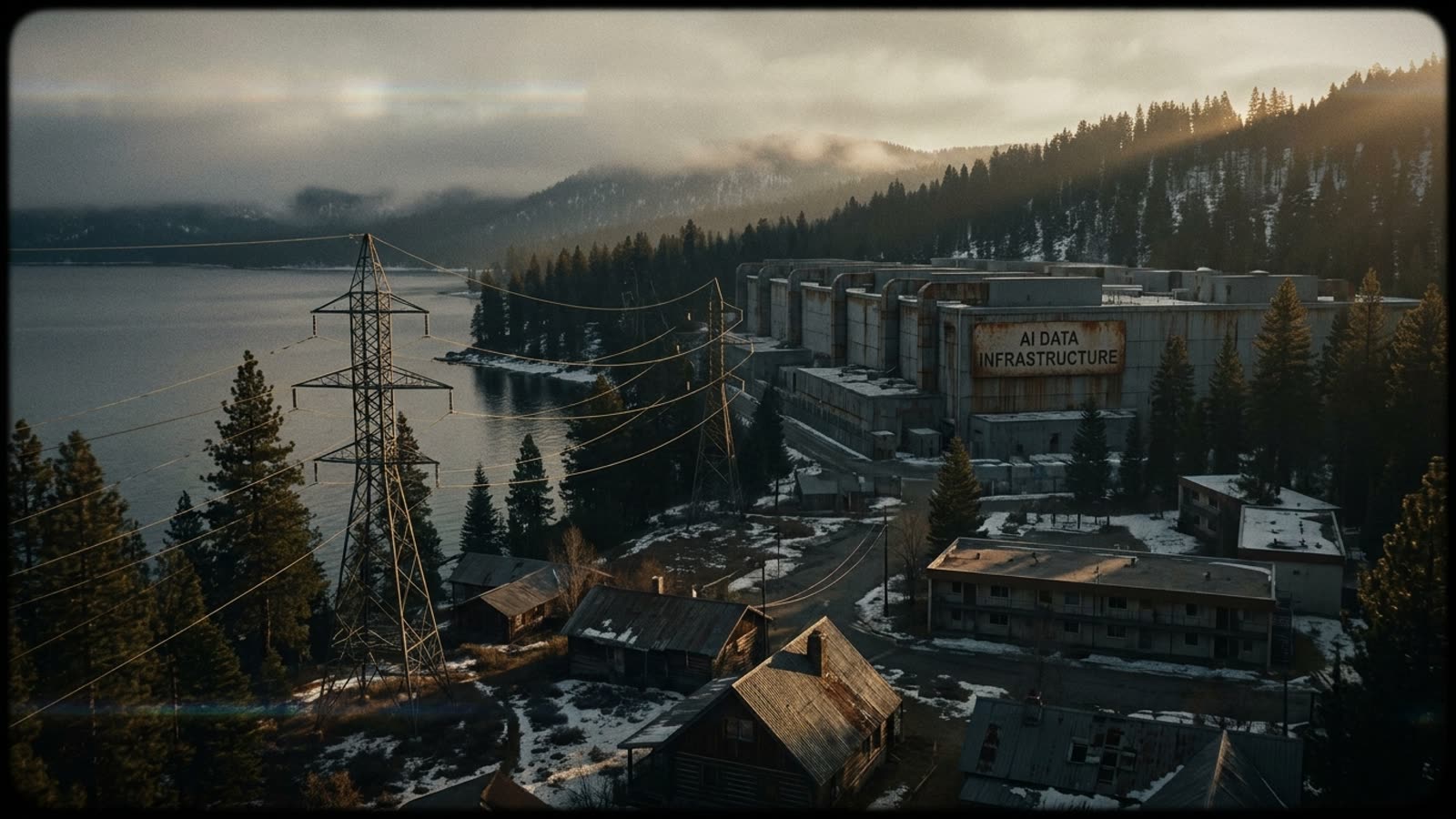
The residents of Lake Tahoe did not sign up to subsidize artificial intelligence. Yet that is precisely what is happening as Liberty Utilities prepares to exit the region, redirecting its resources toward the vastly more lucrative business of powering data centers elsewhere in Nevada. The Sierra Nevada resort community—home to roughly 50,000 permanent residents and millions of annual visitors—is discovering that in the hierarchy of American energy customers, households rank somewhere below Nvidia's latest GPU clusters.
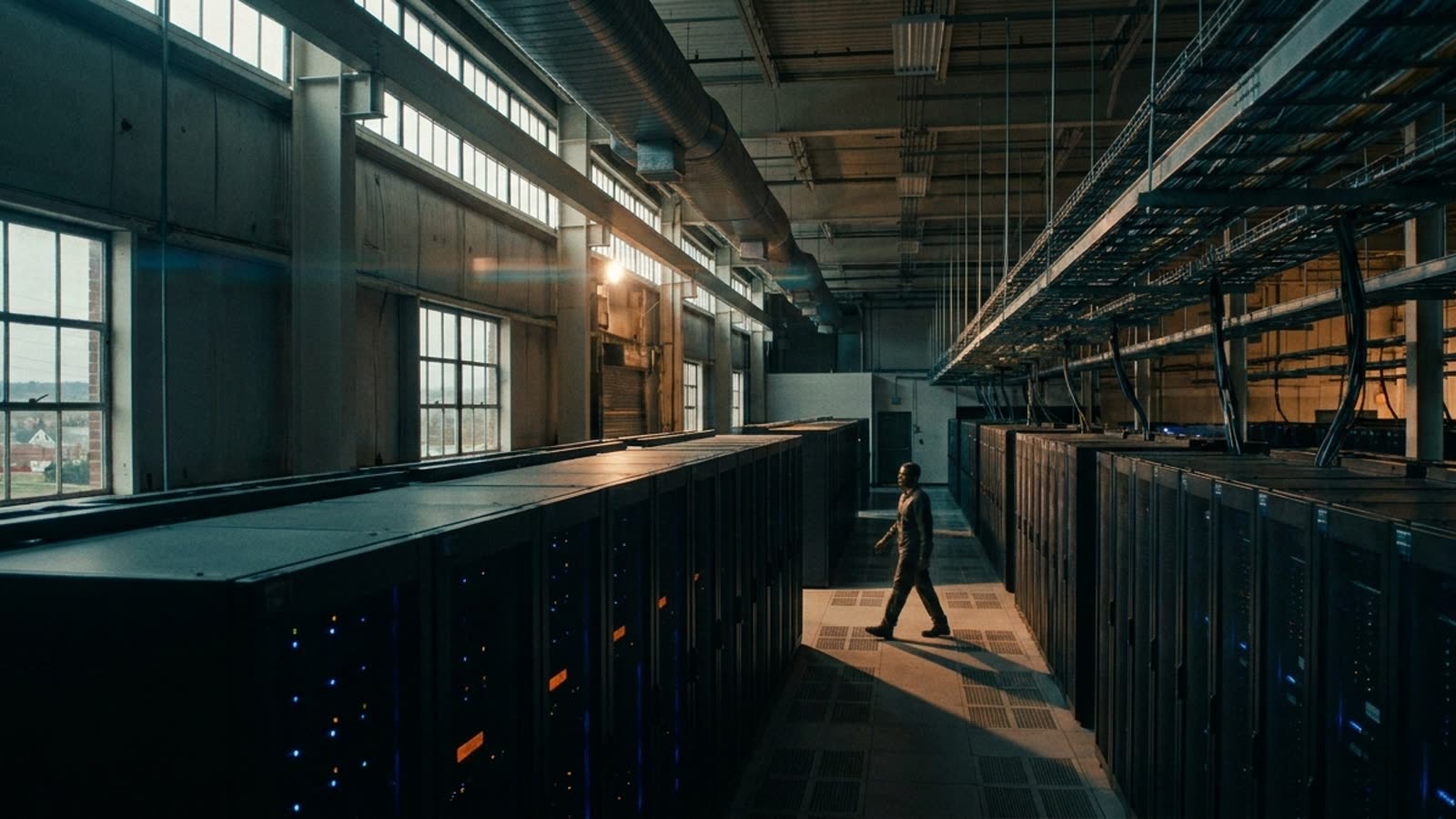
Liberty's departure, first reported this week, follows a pattern now familiar across the American West. Utilities that once viewed residential customers as their core constituency are pivoting aggressively toward industrial loads, particularly the hyperscale data centers that AI companies are building at unprecedented speed. A single large data center can consume as much electricity as 80,000 homes. For a utility, that represents one customer, one meter, one billing relationship—and margins that dwarf anything achievable through retail distribution.
The math that dooms small markets
The economics are brutally simple. Data centers pay premium rates, sign long-term contracts, and consume power around the clock at predictable levels. Residential customers, by contrast, demand expensive peak-hour capacity, default on bills, and increasingly install rooftop solar that erodes utility revenue while still requiring grid backup. When an AI company offers to anchor a new substation with a 15-year power purchase agreement, the utility's calculus becomes obvious.
Lake Tahoe's situation is particularly acute because the region's geography limits transmission capacity. The same mountain terrain that makes it a world-class ski destination makes it expensive to serve with electricity. Liberty has apparently concluded that the capital required to maintain and upgrade Tahoe's grid would generate better returns if deployed elsewhere—specifically, in the flat, cheap land outside Reno where data center campuses are proliferating.
A warning for rural America
What is happening in Tahoe will not stay in Tahoe. Across the country, utilities are making similar calculations, and the communities most vulnerable are those that combine difficult geography with modest population density. Mountain towns, desert communities, and rural agricultural regions all share the characteristics that make them unattractive compared to data center loads: dispersed customers, aging infrastructure, and limited growth potential.
The irony is that many of these same communities were promised that technology would liberate them from geographic constraints. Remote work, e-commerce, telemedicine—all were supposed to make location less important. Instead, the physical infrastructure required to power the AI revolution is creating new forms of geographic inequality, concentrating resources in regions that can offer cheap land, abundant water for cooling, and proximity to transmission lines.
Our take
There is no villain here, only incentives working as designed. Liberty Utilities is not evil for chasing better returns; its shareholders would sue if it did otherwise. The AI companies are not malicious for demanding power; they are building products that millions of people use daily. But the aggregate effect is a slow-motion abandonment of communities that lack the density or industrial appeal to compete for utility attention. Lake Tahoe will find another provider, probably at higher rates and with worse service. The precedent, however, is set: in the age of AI, electrons flow toward algorithms, not people.