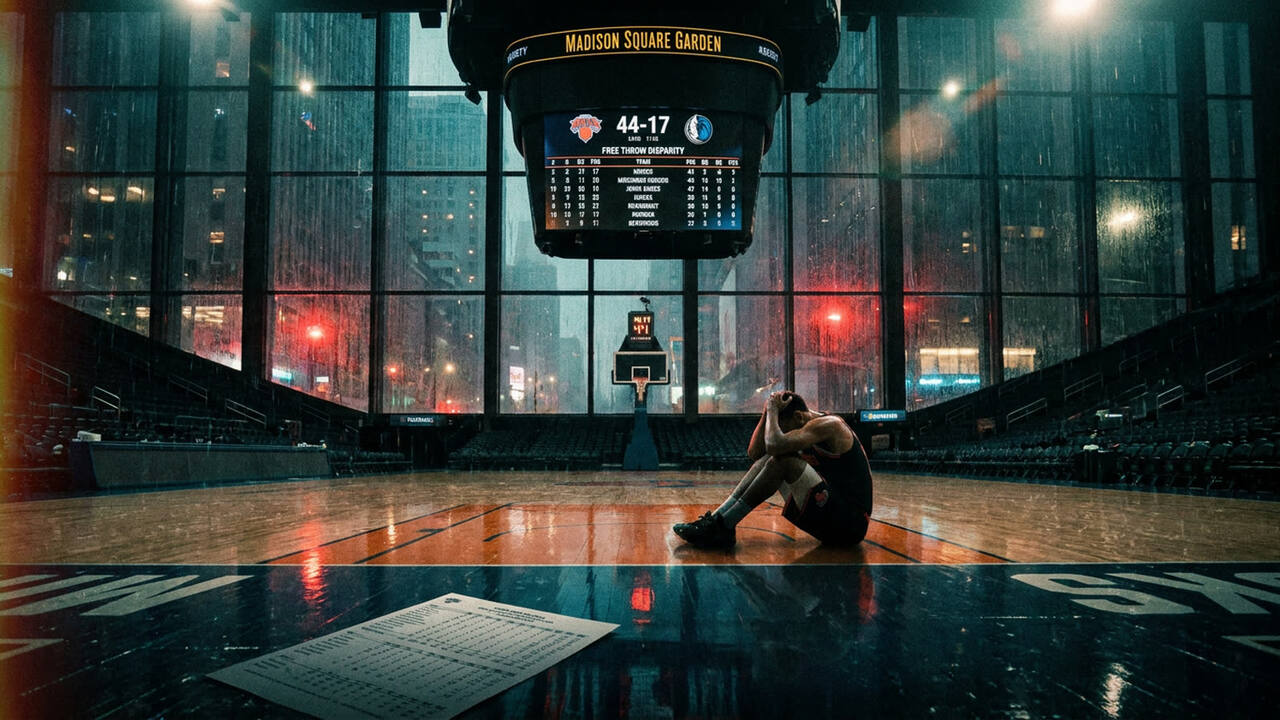
Jaylen Brown, a man not given to hyperbole, stood at the podium after San Antonio's Game 3 victory and said what everyone in Madison Square Garden was thinking: "I never thought I'd see something like that in a Finals game." He was talking about free throws — specifically, the 44 attempts the Spurs received versus the 17 granted to New York. The Knicks lost by six. The math writes itself.
To be clear, this is not a conspiracy theory. Referees do not collude in back rooms to hand championships to small-market franchises. But the disparity is so stark that it demands explanation, and the NBA's officiating apparatus has so far offered none beyond the usual post-game report that will quietly confirm or rescind a handful of calls nobody remembers.
The anatomy of a lopsided whistle
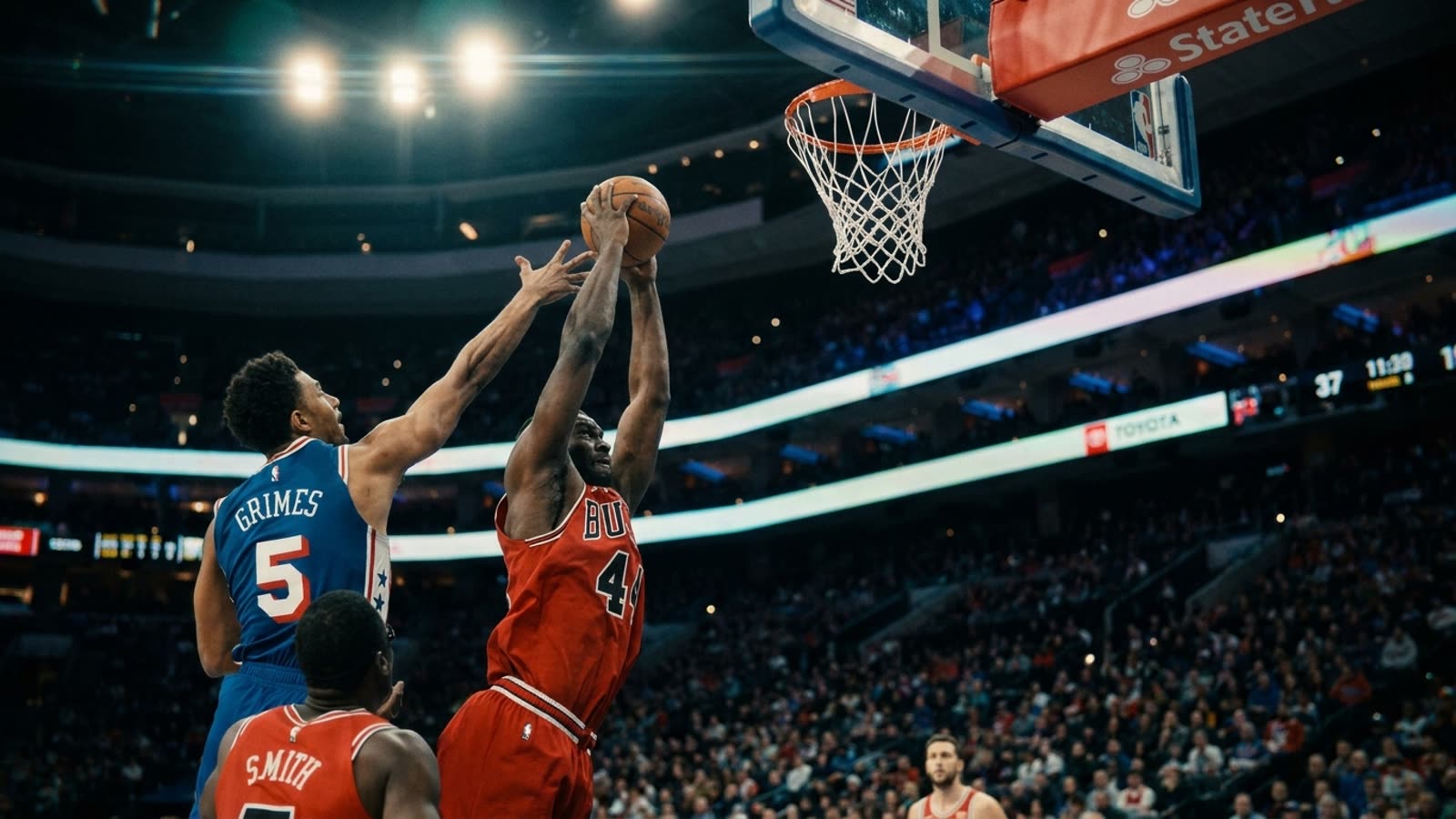
San Antonio's offensive philosophy under Gregg Popovich has always prioritized getting to the rim, and the Spurs' young core — led by their generational seven-footer — attacks the paint with relentless verticality. New York, meanwhile, runs more of its offense through mid-range pull-ups and three-point attempts, shots that rarely draw contact. Some disparity is therefore expected.
But 27 free throws? That is not a stylistic gap; that is an officiating event. The Knicks committed 28 fouls to San Antonio's 16. Jalen Brunson, who drove into traffic repeatedly in the fourth quarter, went to the line exactly twice. The home crowd's boos grew so loud by the third quarter that the broadcast had to adjust its audio mix.
Why the NBA has a perception problem
The league has spent years trying to standardize officiating through replay centers, challenge systems, and public two-minute reports. None of it has quieted the persistent belief among fans that referees either consciously or unconsciously tilt series toward preferred outcomes. A game like this — in which the visual evidence and the box score align so neatly — does more damage to the league's credibility than any amount of transparency theater can repair.
The Spurs, for their part, have no obligation to apologize. They attacked, they drew fouls, they made their free throws. That is basketball. But the Knicks now face a 2-1 deficit in a series that felt, for long stretches of Game 3, like it was being played under two different rule books.
Our take
Free-throw disparities happen. A 27-attempt gap in a Finals game should not. The NBA's officiating problem is not corruption; it is inconsistency dressed up as subjectivity. Until the league is willing to admit that some games simply get away from the referees — and that such admissions do not undermine the sport — it will keep losing the credibility war with its own audience. The Knicks have every right to be furious. Whether that fury translates into a Game 4 adjustment is another matter entirely.