The Real Housewives universe has always traded in scandal, but lately the drama has migrated from reunion couches to actual courtrooms—and Kelly Dodd's new revenge porn charge represents the latest, and perhaps most legally serious, escalation.
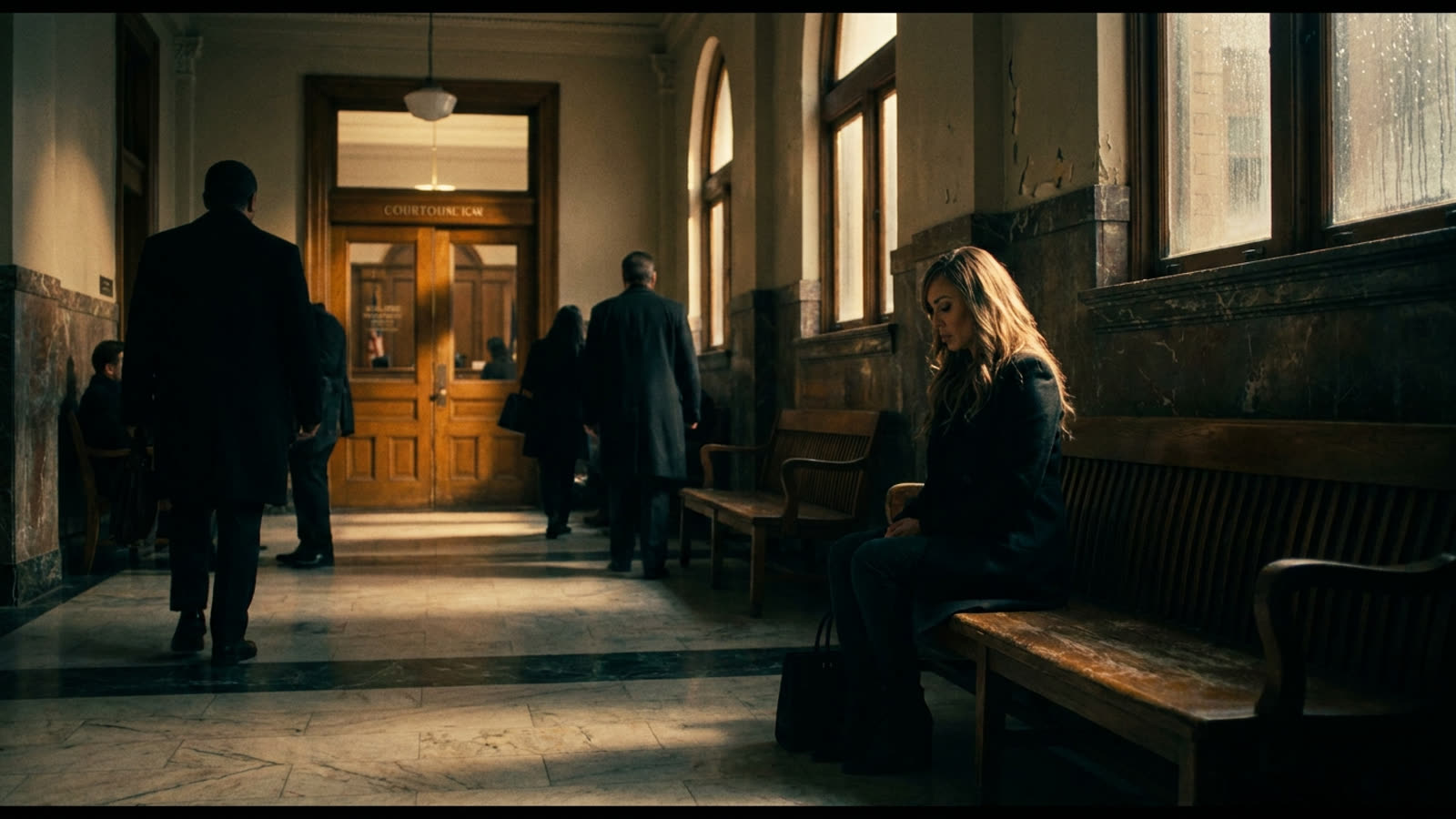
Dodd, who appeared on The Real Housewives of Orange County from 2016 to 2020, now faces criminal charges related to the non-consensual distribution of intimate images. The specifics remain murky, but the charge itself carries significant weight: revenge porn laws have teeth in California, where convictions can result in jail time and substantial fines.
The Bravo legal docket grows
Dodd's charge lands amid what can only be described as an annus horribilis for Bravo's flagship franchise. Cast members across multiple cities have found themselves entangled in everything from fraud allegations to domestic disputes, transforming what was once trashy-but-harmless entertainment into something considerably darker. The network, which built its identity on capturing wealthy women behaving badly, now faces questions about whether its casting process adequately vets for the kind of instability that makes for good television but terrible headlines.
The timing is particularly awkward for NBCUniversal, which has been attempting to position Bravo as a premium reality brand capable of commanding higher advertising rates. Revenge porn charges against a former cast member—even one who departed the show years ago—complicate that narrative considerably.
Reality TV's accountability gap
What makes the Housewives legal troubles distinctive is how they expose the strange accountability vacuum in which reality stars operate. They're famous enough to face public scrutiny but lack the institutional support systems—publicists, lawyers on retainer, crisis management teams—that protect traditional celebrities. When things go wrong, they go wrong publicly and messily.
Dodd, for her part, has never been one to shy from controversy. Her tenure on RHOC was marked by inflammatory comments and feuds with castmates. But there's a meaningful difference between saying regrettable things on camera and facing criminal charges that could result in incarceration.
Our take
Bravo has spent two decades proving that audiences will watch wealthy people implode in real time. What the network hasn't figured out is what responsibility, if any, it bears for the implosions that happen off-camera. Kelly Dodd's legal troubles are hers alone to navigate, but they're also a reminder that the reality TV machine chews through people with remarkable efficiency—and the wreckage doesn't stop accumulating just because the cameras stop rolling.