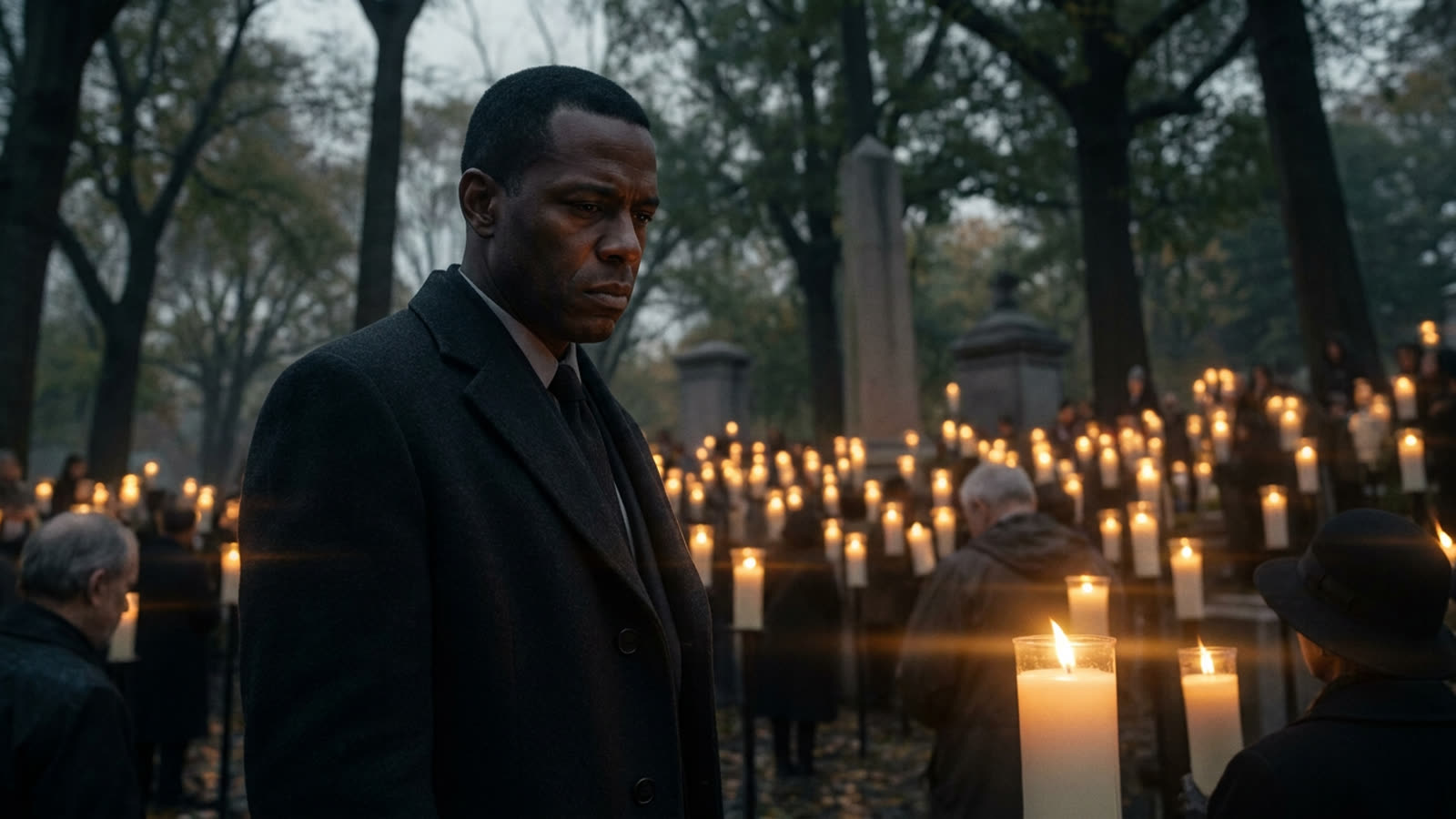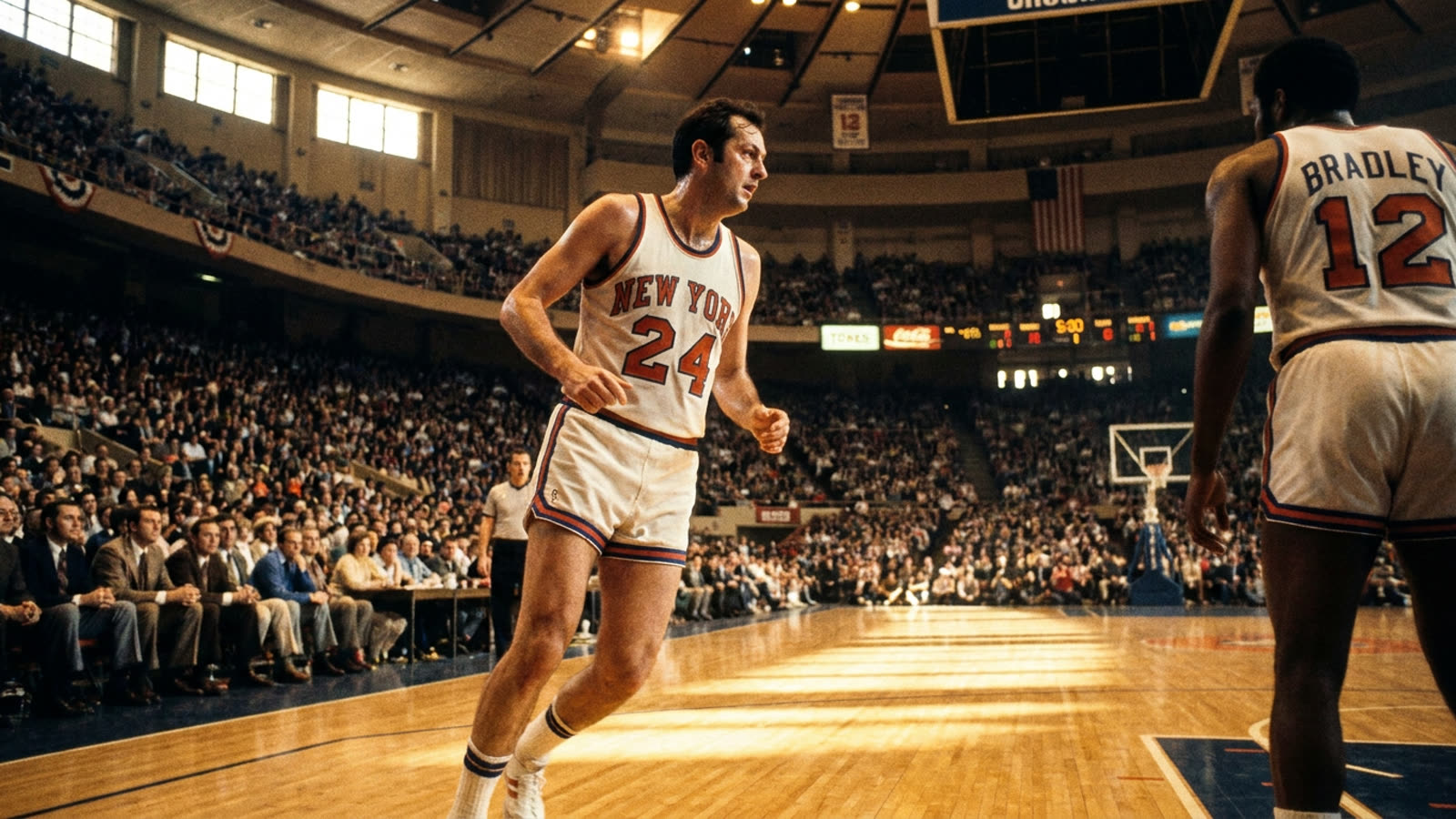
The photograph making rounds this week shows Bill Bradley looking remarkably unchanged — same thoughtful gaze, same patrician bearing that once made him seem like a visitor from a more civilized era even while playing one of America's most physical sports.
Bradley, now 82, has managed something vanishingly rare: he left professional basketball at the top, left the United States Senate on his own terms, and has spent the decades since neither desperately clinging to relevance nor disappearing into bitter obscurity. In an age when former athletes hawk cryptocurrency and ex-politicians become cable news fixtures, Bradley's quiet persistence feels almost radical.
The original scholar-athlete
Before the term became a cliché attached to any Division I player who managed to graduate, Bradley was the genuine article. A Rhodes Scholar who delayed his NBA career to study at Oxford, he won two championships with the Knicks in 1970 and 1973 playing a cerebral, team-first game that analytics would later vindicate. His teammates called him "Dollar Bill" for his reliability. Opponents called him worse things, usually after he'd beaten them with footwork and positioning rather than raw athleticism.
The political career that followed — three terms representing New Jersey in the Senate, a presidential run in 2000 that briefly threatened Al Gore — never quite matched the basketball success. But Bradley approached both arenas with the same methodical preparation, the same allergy to showmanship that made him compelling and, ultimately, limited his mass appeal.
Why he endures
Bradley's continued visibility owes something to timing and something to temperament. He emerged from an era of basketball that aging fans remember fondly — before max contracts and super-teams, when the Knicks actually won things. His political career predates the current polarization, allowing him to exist in memory as a figure from a more functional democracy.
But mostly, he endures because he never seemed desperate. He wrote thoughtful books about values and civic life. He joined corporate boards without becoming a professional board-sitter. He offered political commentary without becoming a partisan attack dog. The restraint that made him a limited scorer in the NBA — he averaged 12.4 points per game, respectable but not spectacular — translated into a post-career dignity that flashier figures rarely achieve.
Our take
Bradley represents a path that barely exists anymore: the public figure who knows when to recede. Today's athletes build media empires; today's politicians never really leave. Bradley's template — excel, contribute, step back, maintain your dignity — requires a confidence that most famous people lack. Seeing him still upright, still relevant, still refusing to embarrass himself is genuinely reassuring. Some people do figure out how to age in public without becoming cautionary tales.