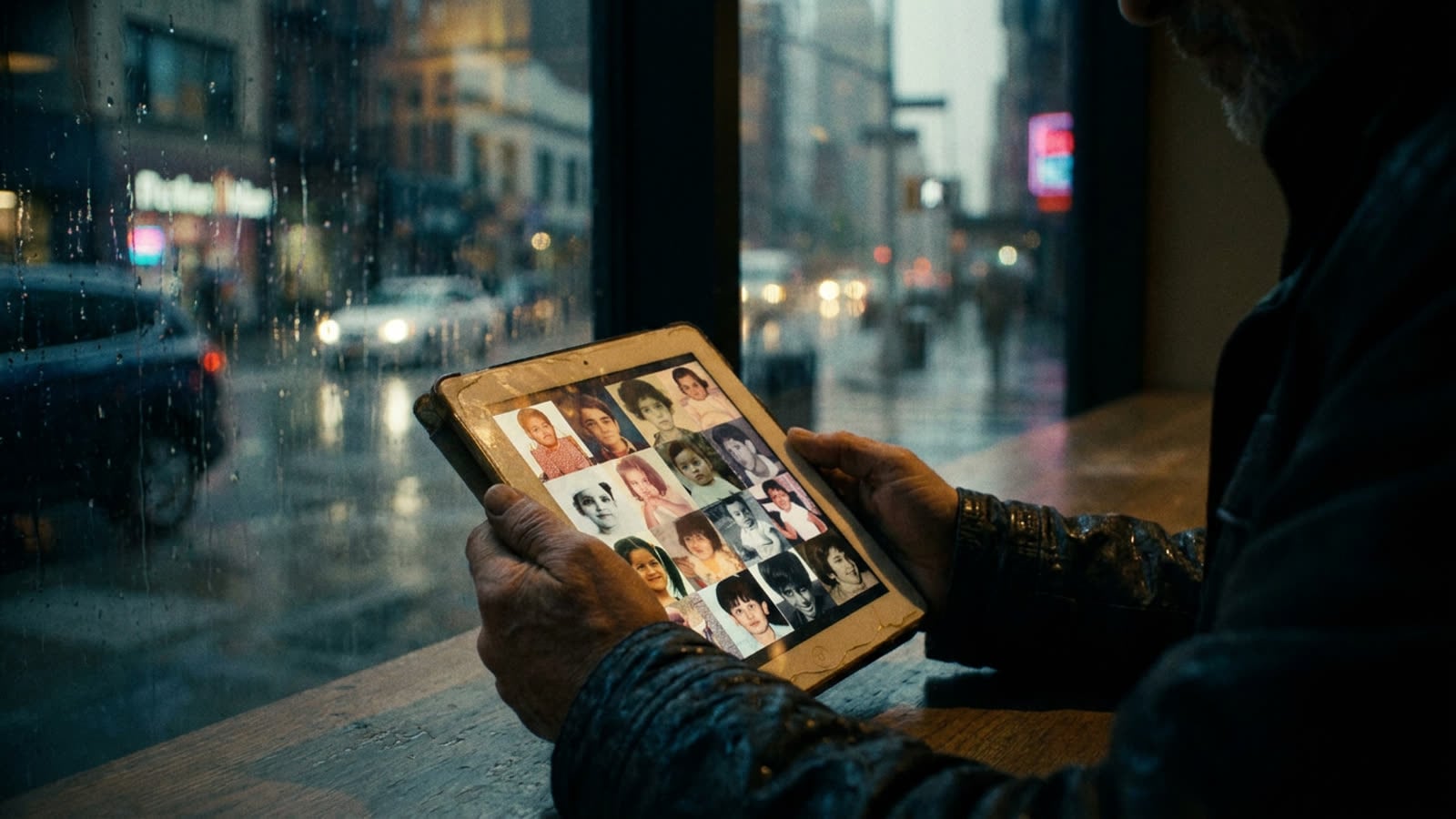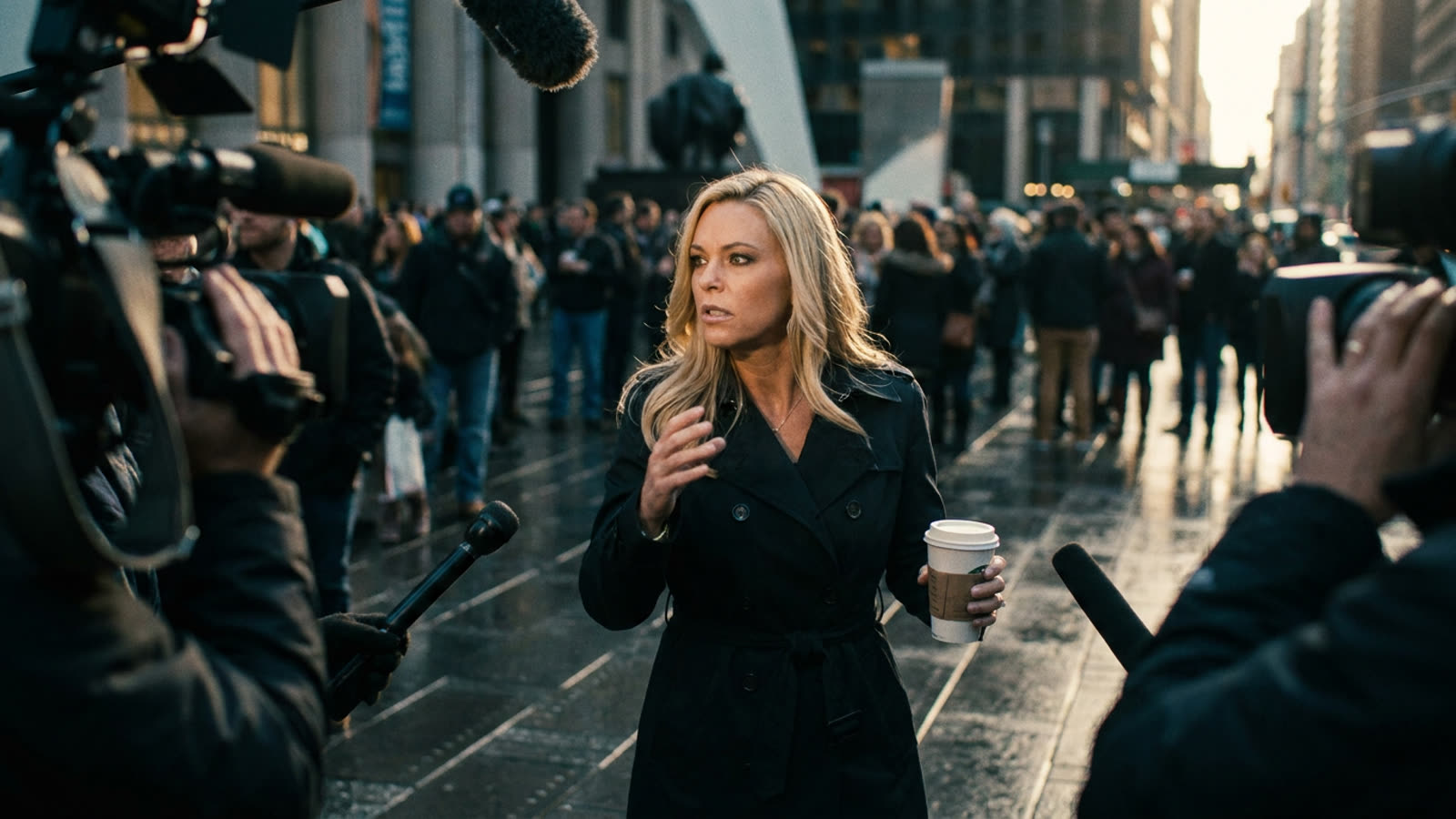
When your brand was built on cameras capturing every tantrum, every bedtime, every scraped knee across eight children, refusing to answer questions under any form of scrutiny reads as its own kind of confession.
Kate Gosselin, whose family's intimate chaos fueled TLC's "Jon & Kate Plus 8" for a decade, has declined to take a lie detector test in response to her son Collin's allegations of physical and emotional abuse during his childhood. Collin, now in his early twenties, has spent years publicly detailing what he describes as mistreatment that included being sent to a behavioral institution at age eleven—a decision he claims was punitive rather than therapeutic. His mother's refusal to submit to polygraph examination, while legally meaningless, lands with symbolic weight in the court of public opinion where the Gosselins have always been tried.
The institution years
Collin Gosselin was placed in a residential facility in 2016, separated from his seven siblings for what Kate described at the time as "special needs." He remained institutionalized for years, eventually moving in with his father Jon after his release. In interviews since, Collin has alleged that his mother's decision stemmed not from genuine concern for his wellbeing but from a desire to remove a difficult child from the television-ready family unit. He has described physical altercations and emotional neglect that he says preceded his institutionalization. Kate has largely declined to engage with these claims publicly, a silence that has done little to quiet the accusations.
The polygraph gambit
Lie detector tests are inadmissible in court for good reason—they measure stress responses, not truth—but they have become a staple of tabloid-era reputation management. Celebrities from Amber Heard to various "Real Housewives" cast members have submitted to televised polygraphs to bolster their narratives. Kate's refusal breaks from this playbook. Her representatives have not offered detailed comment on why she declined, leaving observers to draw their own conclusions. For a woman who once invited cameras into her delivery room, the sudden preference for privacy strikes a dissonant chord.
The reality TV reckoning
The Gosselin saga belongs to a specific moment in American entertainment: the mid-2000s boom in family reality programming that treated children as content before they could consent to being characters. The Duggars, the Roloffs, the Gosselins—these families monetized their domestic lives and are now, one by one, facing reckonings from children who grew up as product. Collin's allegations fit a pattern that has seen former child reality stars across multiple franchises speak out about exploitation, manipulation, and the psychological toll of growing up on camera. The difference here is the specific cruelty alleged: not just exploitation, but exile.
Our take
Kate Gosselin owes the public nothing, legally speaking. But she built a career on the premise that her family's every moment was ours to witness. Having sold that access for years, her retreat into silence when her son makes serious allegations feels less like dignified restraint and more like a woman who knows which questions she cannot afford to answer. The lie detector was always a sideshow. The real test is whether America's appetite for family content will finally reckon with what it cost the children who never signed the release forms.