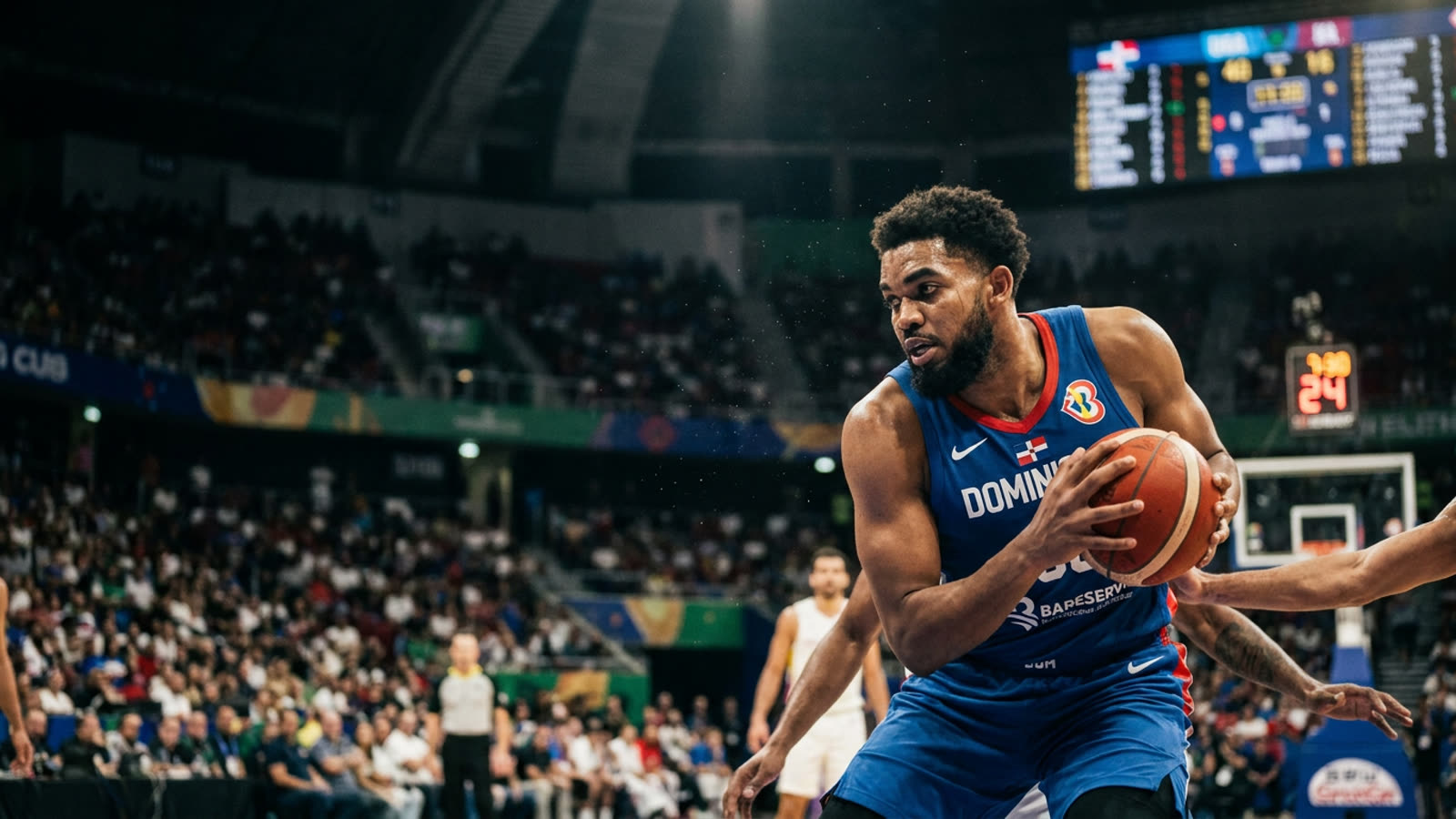
Karl-Anthony Towns has spent nine years being told he is simultaneously one of the most gifted centers in basketball history and somehow not quite enough. Now he will play in the NBA Finals, and the discourse around him will finally have to resolve itself one way or another.
The Knicks' sweep of Cleveland completed a remarkable first-season arc for Towns in New York, but his postgame comments revealed a man who understands precisely what this moment means for his legacy. "This is a magical thing," he said, before quickly adding that the job isn't done. It was the statement of someone who has learned, perhaps painfully, that regular-season brilliance buys you nothing in the court of basketball opinion.
The Minnesota question
Towns arrived in the league as the consensus top pick in 2015, a 7-footer who could shoot threes, pass from the post, and theoretically anchor a championship defense. The shooting materialized spectacularly—he remains one of the best three-point shooting big men ever. The defense became a running punchline. The Timberwolves made the playoffs exactly once during his tenure, and even that 2018 run ended with a first-round exit and Jimmy Butler's volcanic departure.
The trade to New York last September was framed as Minnesota choosing Anthony Edwards' timeline over Towns' prime. What went unspoken was that Towns, at 29, had never won a playoff series as the best player on his team. The Knicks weren't acquiring a proven winner; they were betting that environment, not ability, had been the limiting factor.
The New York recalibration
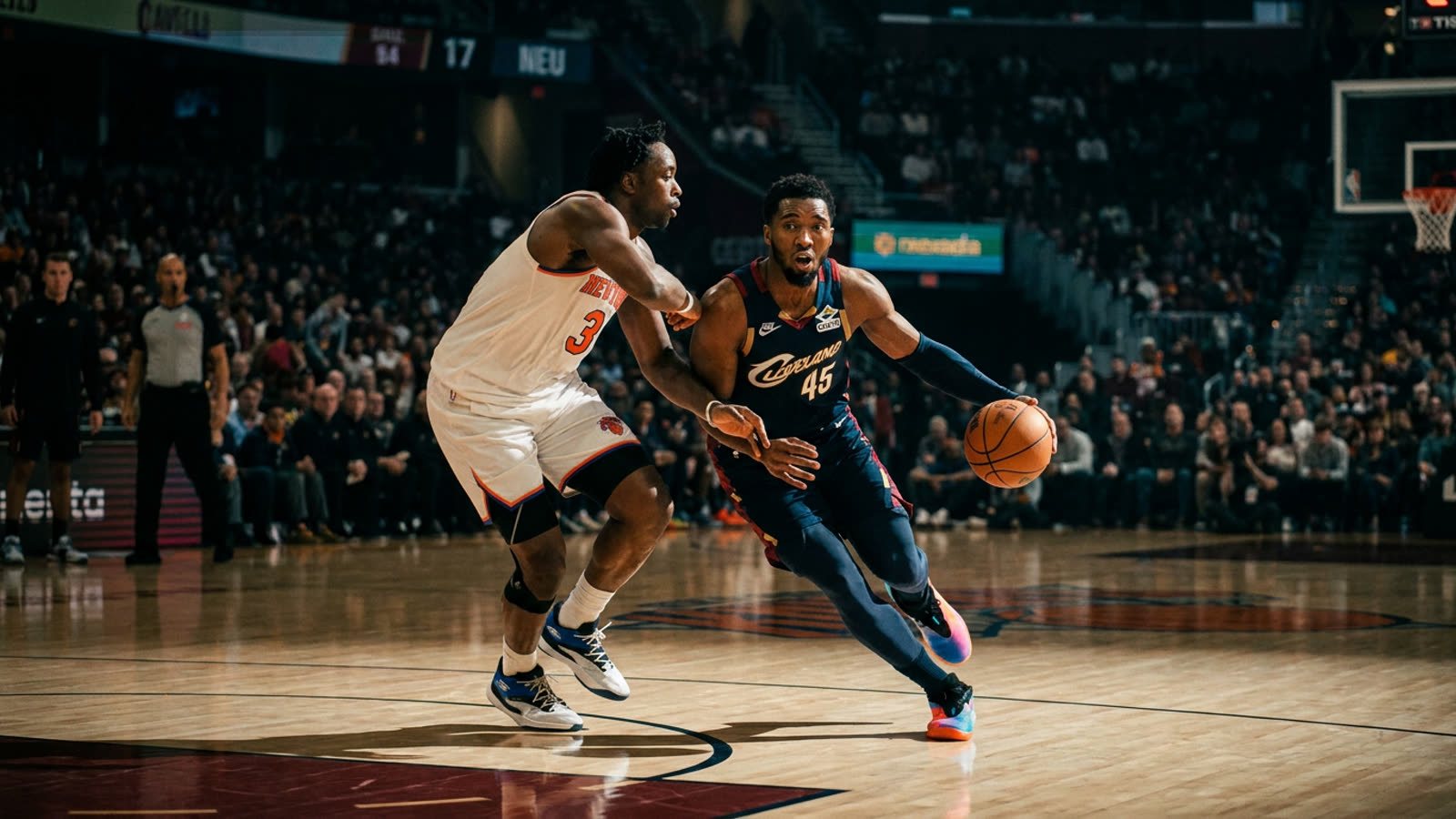
What Towns discovered in Manhattan was something he'd never experienced: a supporting cast that didn't need him to be everything. Jalen Brunson handles the late-game burden. OG Anunoby and Mikal Bridges provide the perimeter defense that allows Towns to roam as a help defender rather than anchor. Josh Hart does the dirty work. Towns could simply be Karl-Anthony Towns—the unicorn scorer, the floor-spacing big, the guy who makes the right pass—without carrying the organizational weight that crushed him in Minneapolis.
The results have been striking. Towns averaged over 25 points in the conference finals while shooting better than 40% from three. More importantly, he looked comfortable in ways he never did during Minnesota's brief playoff appearances, where his body language often suggested a man bracing for the next catastrophe.
Our take
The Finals won't definitively answer whether Towns is a championship-caliber first option—he isn't being asked to be one in New York. But they will reveal something more interesting: whether a player this talented can thrive when liberated from the expectation that talent alone should translate to team success. Towns has always had the skills. What he lacked was a situation that didn't require him to be something he isn't. The Knicks gave him that. Now we find out if it was ever really about him at all.