Karamo Brown spent five seasons convincing skeptical men in small-town America that vulnerability wasn't weakness. Now he's taking that sermon nationwide—and charging admission.
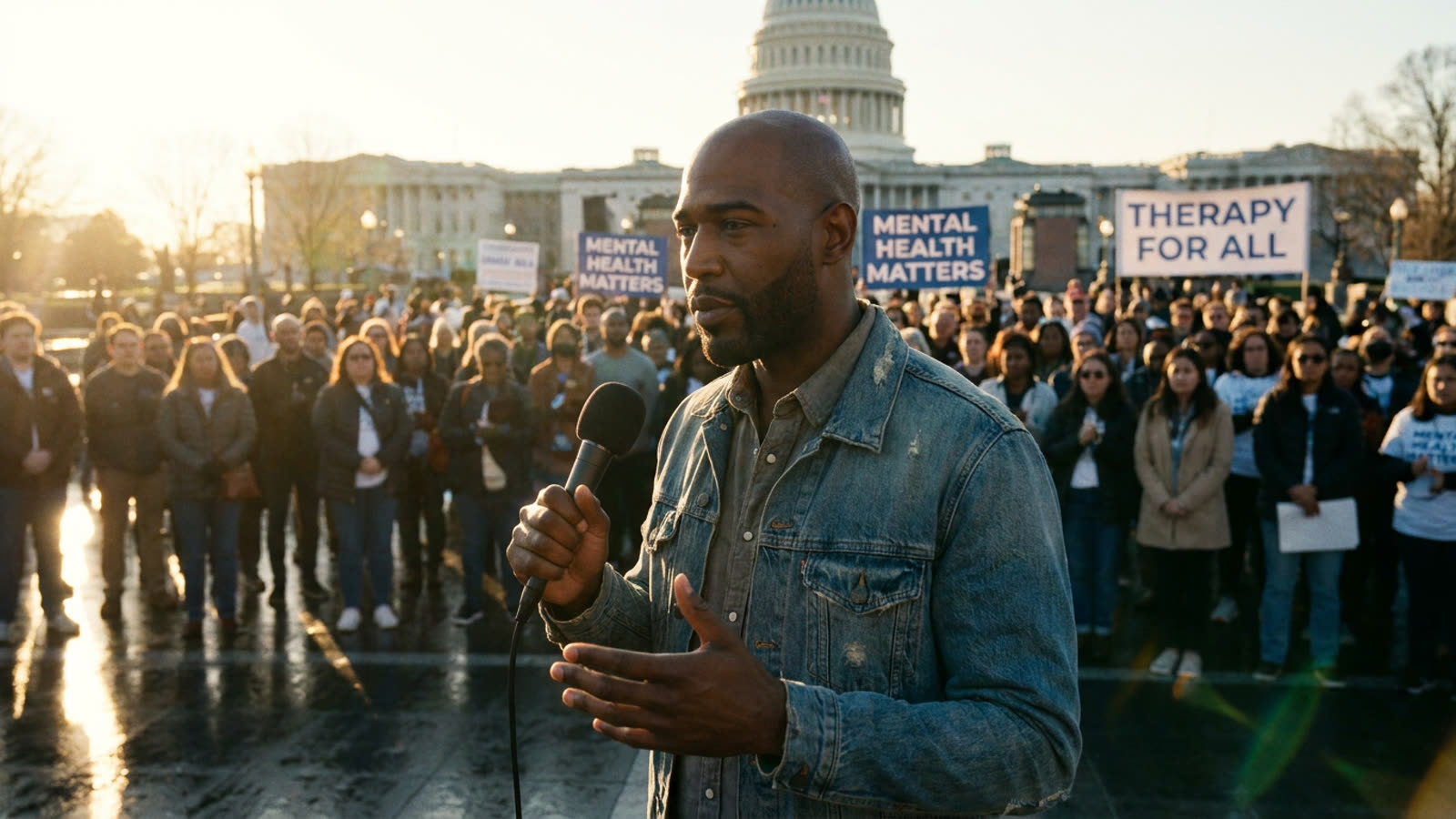
The 45-year-old culture expert from Netflix's Queer Eye reboot has been steadily repositioning himself from feel-good television fixture to mental-health advocate with actual policy ambitions. Recent appearances find him discussing therapy destigmatization with the same earnest intensity he once brought to convincing a truck driver to call his estranged father. The difference is scale: Brown is now courting partnerships with telehealth platforms, speaking at corporate wellness summits, and openly lobbying for expanded insurance coverage of mental-health services.
The Reality-to-Advocacy Pipeline
Brown's trajectory follows a template that's become familiar in the streaming era. A reality star accumulates cultural capital through parasocial intimacy, then converts that goodwill into a cause. What distinguishes Brown is specificity. He's not simply "raising awareness"—the emptiest phrase in celebrity activism—but targeting concrete barriers: insurance reimbursement rates for therapists, the shortage of licensed counselors in rural areas, the particular reluctance of Black and Latino men to seek help.
His own biography supplies credibility. Brown has spoken publicly about surviving sexual abuse, navigating his HIV-positive status, and raising two sons as a single gay father. These disclosures, offered without the performative trauma that often accompanies celebrity confessionals, have earned him a constituency that extends well beyond the Queer Eye viewership.
Why the Timing Matters
The mental-health industry is experiencing a strange moment of simultaneous boom and crisis. Demand for therapy has surged since the pandemic, but provider burnout and insurance complications have created waitlists stretching months. Telehealth startups raised billions promising to close the gap; many have since retrenched or collapsed. Into this vacuum steps a familiar face offering something algorithms cannot: the illusion of personal connection at scale.
Brown's corporate speaking fees reportedly start in the mid-five figures—not Oprah money, but enough to suggest the wellness-industrial complex takes him seriously. His forthcoming book, focused on emotional resilience, is positioned as self-help with a policy appendix.
Our take
Celebrity advocacy is easy to mock, and often deserves it. But Brown has done something quietly clever: he picked a lane, stayed in it, and accumulated enough subject-matter fluency to hold his own with clinicians. Whether that translates to legislative influence remains to be seen. For now, he's proof that the most durable reality-TV careers are the ones that figure out what they're actually about—and then refuse to shut up about it.