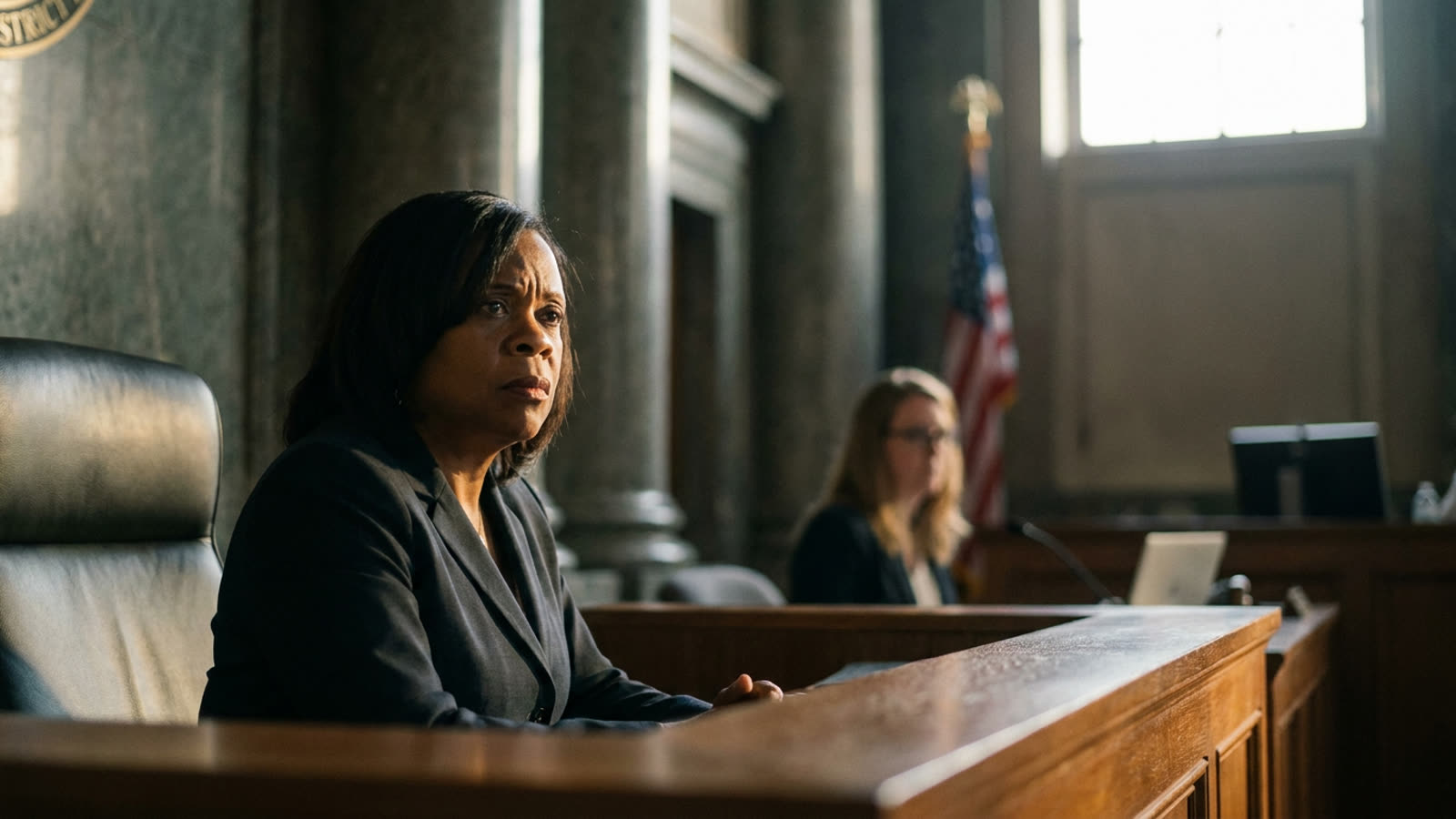
When Judge Eleanor Ross sentenced Todd Chrisley to twelve years in federal prison in 2022 for bank fraud and tax evasion, she delivered a lecture about accountability that the reality star's defenders called disproportionately harsh. Four years later, Ross has received a formal reprimand from the Eleventh Circuit Judicial Council for conduct that makes her moralizing land rather differently: she carried on a sexual relationship with a fellow judge inside her own chambers.
The misconduct finding, disclosed this week, confirms that Ross engaged in an inappropriate relationship with another member of the federal bench, with encounters taking place in the Northern District of Georgia courthouse in Atlanta. A reprimand sits below suspension or removal on the judicial discipline spectrum, but it remains a rare and serious sanction—one that becomes part of a judge's permanent record and signals that her conduct fell meaningfully below the standards expected of the federal judiciary.
The Chrisley connection
Ross presided over one of the most-watched white-collar trials in recent memory. Todd and Julie Chrisley, stars of USA Network's Chrisley Knows Best, were convicted of defrauding banks out of more than $30 million and hiding income from the IRS. Ross sentenced Todd to twelve years and Julie to seven, terms that exceeded federal guidelines and drew criticism from legal observers who noted that nonviolent first-time offenders rarely receive such lengthy sentences. Todd Chrisley's lawyers have since pursued appeals arguing, among other things, that the trial was tainted by prosecutorial misconduct—claims that gained traction when a federal whistleblower alleged that investigators had improperly targeted the family.
None of that exonerates the Chrisleys, who were found guilty by a jury. But Ross's stern courtroom demeanor—she rejected defense pleas for leniency and emphasized the importance of public trust—now sits in uncomfortable contrast with her own breach of judicial ethics. The reprimand does not automatically entitle the Chrisleys to a new trial, but their legal team will almost certainly cite it in ongoing appeals as evidence of a compromised proceeding.
Obama appointee, lifetime tenure
Ross was nominated to the bench by President Obama in 2014 and confirmed by the Senate with bipartisan support. Like all Article III judges, she holds her seat for life and can only be removed through impeachment—a process Congress has used exactly fifteen times in American history, and never successfully against a sitting district judge for sexual misconduct. The reprimand, then, is likely the end of formal consequences unless additional findings emerge.
The identity of the other judge involved has not been publicly confirmed, though the Eleventh Circuit's investigation reportedly concluded that the relationship was consensual and did not directly affect case outcomes. Still, the symbolism is corrosive: a courthouse is not a hotel, and the federal judiciary's legitimacy depends on the perception that its members hold themselves to standards at least as rigorous as those they impose on defendants.
Our take
There is something almost too perfect about a judge who lectured a reality-TV fraudster on integrity now facing her own integrity scandal. Ross may keep her seat, and the Chrisleys may remain in prison, but the episode is a reminder that the robe confers authority, not virtue. When judges preach accountability from the bench, they had better be prepared to live it everywhere else in the building—including their chambers.