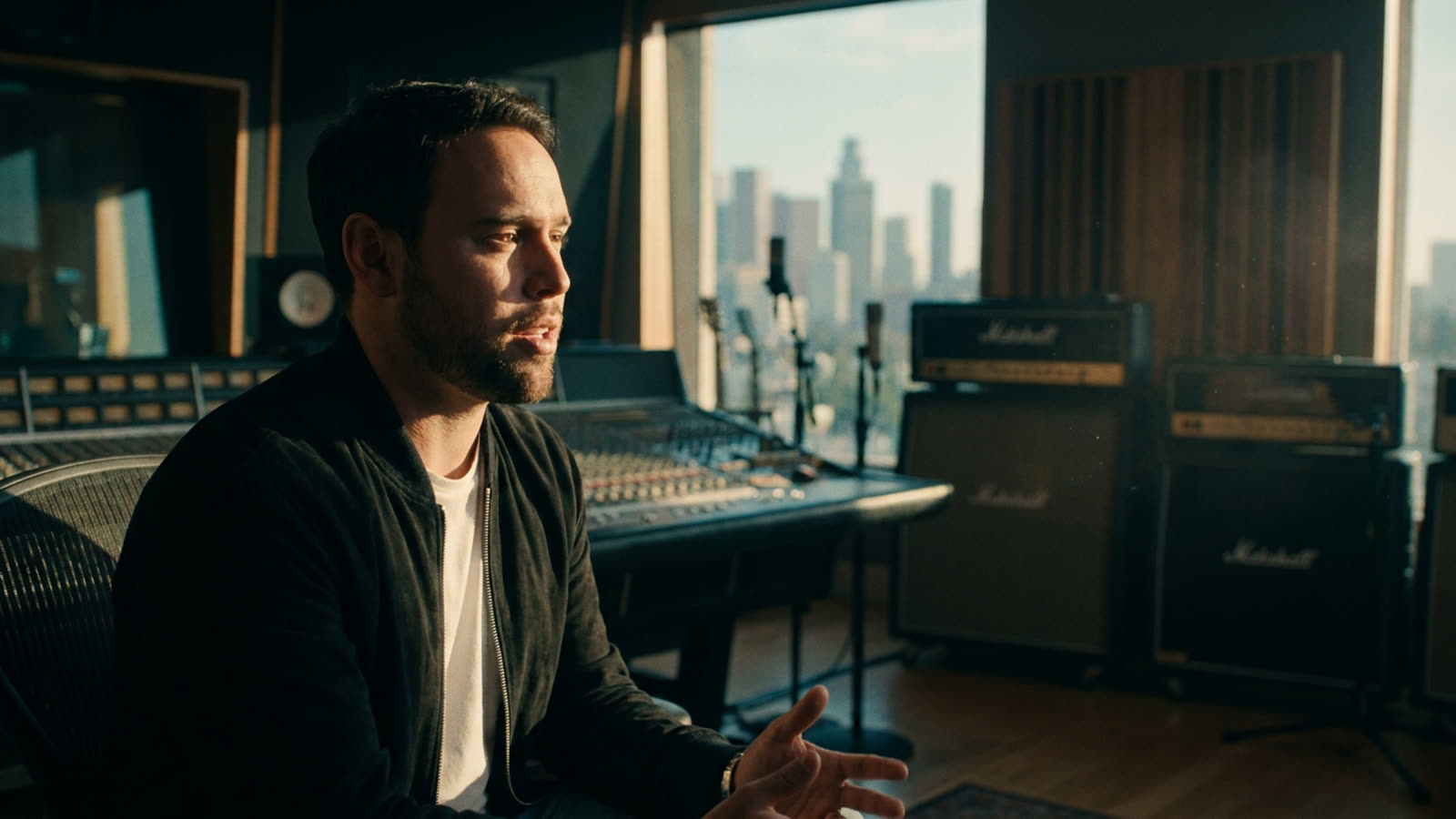
Scooter Braun has broken his silence on the Taylor Swift masters controversy, and what he's saying matters less than the fact that he's saying anything at all. The manager and entrepreneur, who acquired Swift's first six albums in 2019 through his purchase of Big Machine Records, has largely avoided direct comment on the feud that transformed him from industry kingmaker to cautionary tale. His decision to speak now suggests either a rehabilitation campaign or a genuine reckoning—possibly both.
The acquisition, which Swift publicly condemned as her "worst case scenario," became a flashpoint that transcended music industry inside baseball. It forced casual listeners to understand the difference between owning masters and licensing them, turned "re-recordings" into a viable commercial strategy, and demonstrated that parasocial relationships between artists and fans could be weaponized with devastating effectiveness.
The economics of enmity
Braun's initial investment looked shrewd by traditional metrics. Big Machine's catalog, anchored by Swift's early work, represented proven revenue streams from streaming, sync licensing, and radio play. What the spreadsheets couldn't model was Swift's willingness to systematically devalue her own original recordings by releasing "Taylor's Version" re-records—a project that has now generated over a billion streams and effectively created a parallel catalog.
The strategy worked because Swift understood something Braun apparently didn't: in the streaming economy, the relationship between artist and audience matters more than the relationship between owner and asset. Fans who might never have cared about publishing rights became active participants in an economic boycott, deliberately streaming the new versions over the originals.
What silence costs
Braun's years of non-engagement allowed Swift to control the narrative entirely. His client roster—which once included Justin Bieber, Ariana Grande, and Demi Lovato—has contracted significantly. Whether that's causation or correlation with broader industry shifts is debatable, but the perception of toxicity became its own reality. In an era when artists increasingly demand equity stakes and ownership provisions, being the guy who taught Taylor Swift to hate her label is not an enviable reputation.
His decision to speak now arrives as the re-recording project nears completion and as Swift's cultural dominance shows no signs of waning. The Eras Tour has grossed more than any concert series in history. Her endorsement proved material in the 2024 election. She is, by most measures, the most powerful figure in popular music.
Our take
Braun's interview will be parsed for apologies and explanations, but the more interesting text is the subtext: even the winners of old music industry battles now need to explain themselves to audiences who've learned to care about how the sausage gets made. Swift didn't just win back her masters—she changed what artists expect to own and what fans expect to know. Braun can offer whatever revisionist history he likes. The re-recordings will keep streaming regardless.