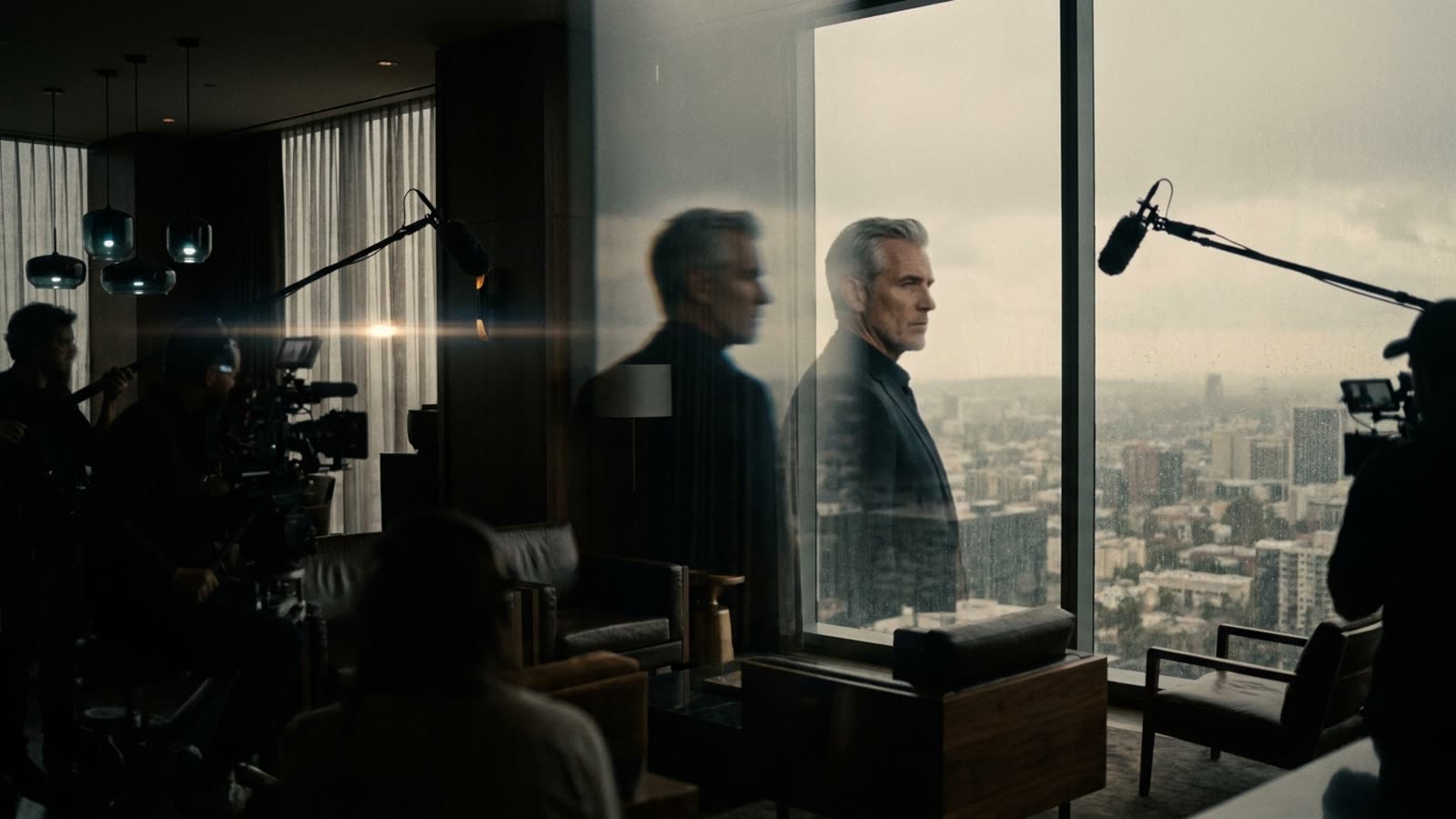
For decades, Hollywood operated on a brutal asymmetry: women aged out of leading roles while men simply aged into character parts with diminished billing. The emergence of the "zaddy"—that portmanteau of daddy and, well, enthusiasm—represents something more interesting than mere thirst. It signals a genuine market correction in how the entertainment industry values male maturity.
The term has migrated from stan Twitter into mainstream discourse with remarkable speed. What began as appreciative commentary about specific silver foxes has calcified into a recognizable archetype with its own aesthetic rules, brand partnerships, and career trajectories. The zaddy is not merely an older man who remains attractive; he is an older man whose attractiveness is explicitly tied to markers of age that would have been airbrushed away a generation ago.
The economics of distinguished
The business case is straightforward. Audiences skew older than studios long assumed, particularly for prestige television and theatrical releases that aren't superhero tentpoles. A fifty-something leading man with visible laugh lines reads as aspirational to viewers of similar vintage while maintaining crossover appeal to younger demographics raised on ironic appreciation. The zaddy bridges demo gaps that traditional casting couldn't.
More cynically, the zaddy phenomenon extends male bankability without requiring the industry to extend similar grace to women. The same studios celebrating salt-and-pepper leading men continue casting actresses a decade younger as their romantic counterparts. Progress, such as it is, remains asymmetrical.
Maintenance is mandatory
Lest anyone mistake this for a relaxation of Hollywood's physical standards, the zaddy archetype demands rigorous upkeep. The silver hair must appear natural but immaculately groomed. The face may show age but not neglect. And the body—here the requirements remain essentially unchanged from any other leading-man era. The zaddy is permitted to age from the neck up only.
This creates its own absurdist spectacle: men in their fifties and sixties maintaining physiques that would challenge professional athletes, all while projecting an air of effortless maturity. The performance of not-trying has never required more effort.
Our take
The zaddy's ascent is a half-measure dressed up as revolution. Yes, it's pleasant that Hollywood has discovered men over forty-five can open movies. But the underlying machinery—the personal trainers, the subtle cosmetic interventions, the careful lighting—remains as punishing as ever. What looks like acceptance of aging is really just a new set of impossible standards with better PR. The industry hasn't learned to love imperfection; it's learned to market a very specific, very expensive version of growing old gracefully. Call it progress if you like. We'd call it a rebrand.