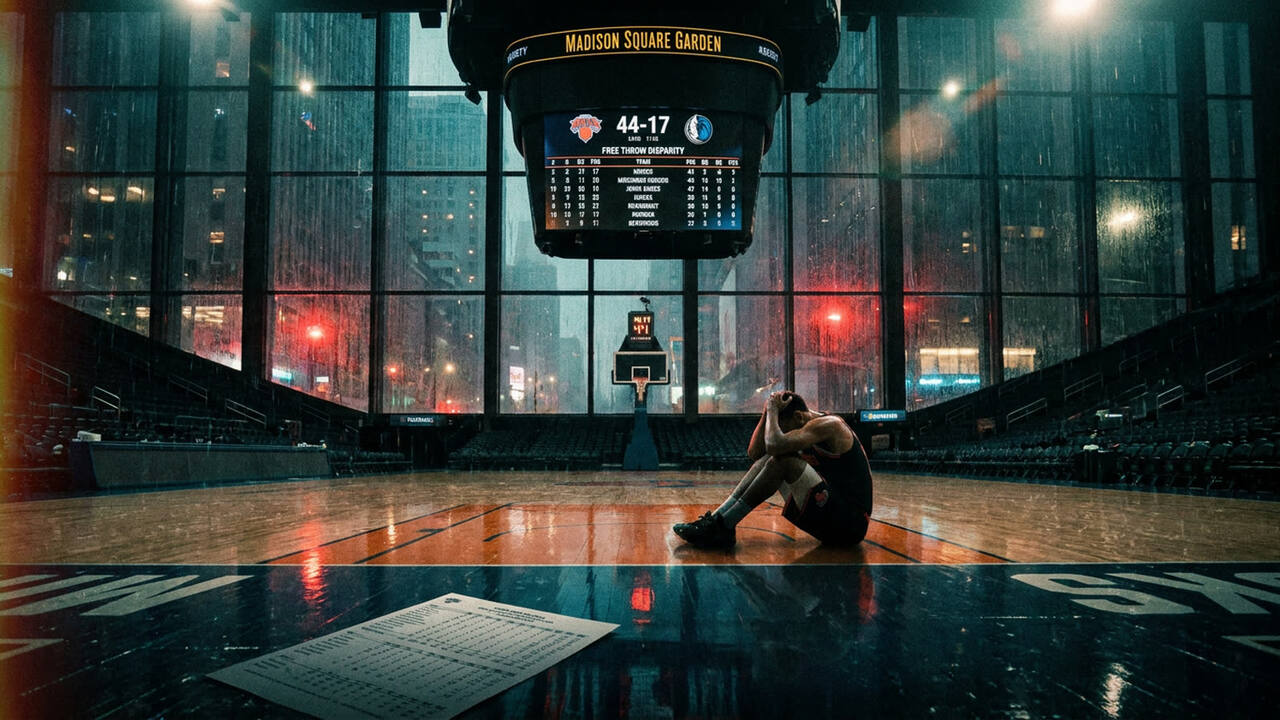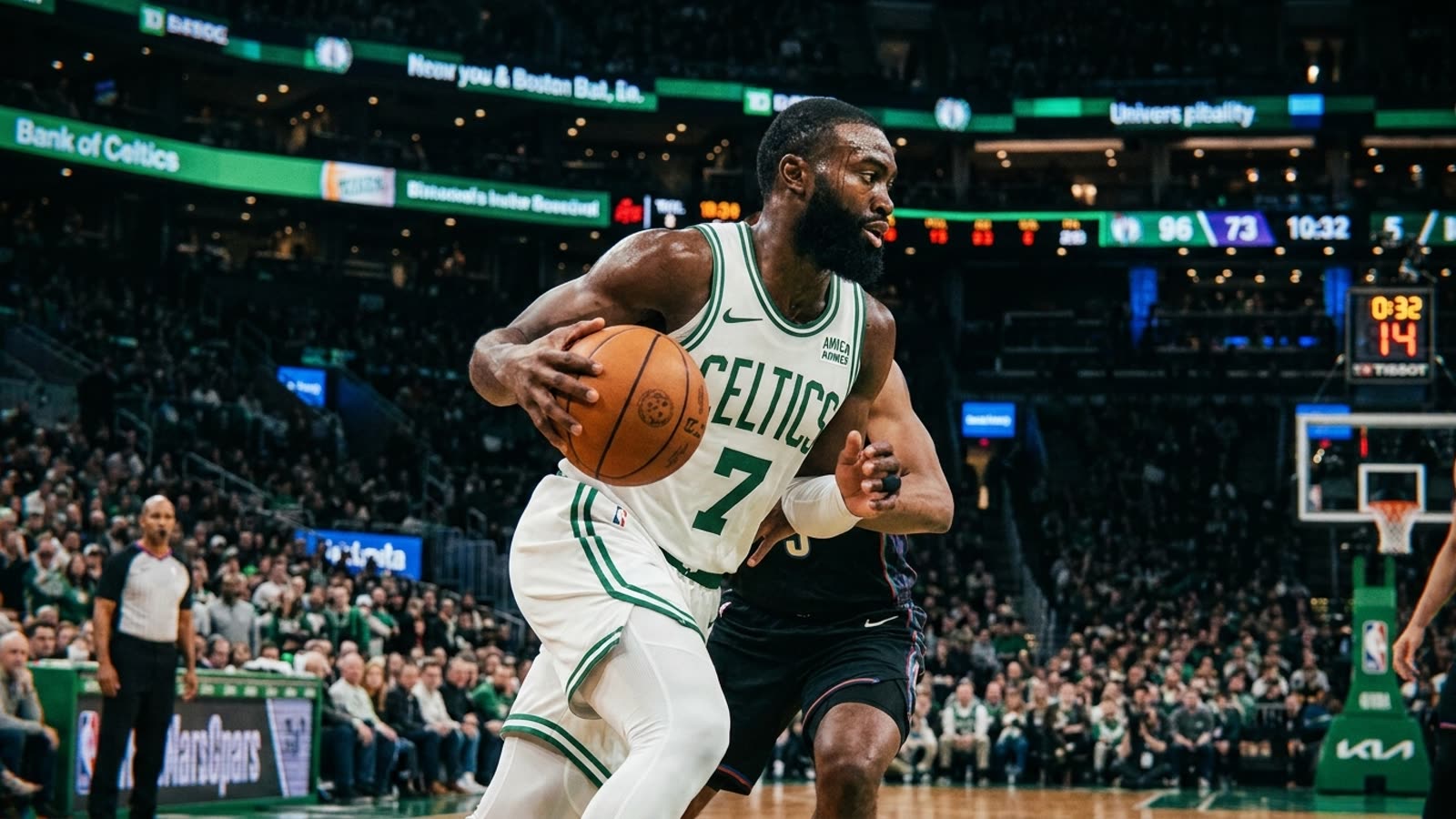
The most damning indictment of NBA officiating in the 2026 Finals came not from the losing locker room, but from a player whose team shot 44 free throws to the Knicks' 15. Jaylen Brown, the Spurs' All-Star wing, looked genuinely perplexed when asked about the disparity after San Antonio's Game 3 victory: "Never thought I'd see" numbers like that in a championship series.
When the beneficiary of a lopsided whistle volunteers discomfort, the league office should be paying attention.
The arithmetic of doubt
A 29-free-throw differential in a Finals game is not merely unusual — it is historically anomalous. The Spurs' 44 attempts represent the kind of volume typically reserved for teams playing significantly more aggressive interior offense, yet San Antonio's game plan relied heavily on perimeter shooting and transition. The Knicks, meanwhile, attacked the paint relentlessly and came away with 15 trips to the line.
The numbers alone do not prove malfeasance. Officiating is subjective, and some games genuinely feature asymmetric physicality. But the Finals carry a different burden of proof. Tens of millions of casual viewers tune in expecting the sport's highest-stakes games to be decided by players, not referees. When the gap becomes inexplicable to participants on both sides, the NBA's credibility suffers regardless of whether the calls were technically correct.
A pattern, not an outlier
This is not the first time the 2026 Finals have produced officiating controversy. Game 2 featured its own disputed sequences, and the cumulative effect is corrosive. Commissioner Adam Silver has spent years positioning the NBA as a premium entertainment product — global broadcasts, celebrity courtside presence, cultural relevance that rivals any American sports league. That brand depends on the perception of competitive integrity.
The league's response so far has been boilerplate: officials are graded, adjustments are made, the process is trusted. But process arguments ring hollow when a player like Brown — thoughtful, measured, not prone to conspiracy — expresses genuine surprise at what he witnessed from the winning side.
Our take
The NBA has a transparency problem masquerading as a refereeing problem. The league grades officials internally but shares almost nothing with the public. Last Two Minute Reports, released selectively after close games, are a half-measure that often inflames rather than soothes. If the officiating is defensible, defend it with data — release foul-call breakdowns, publish referee performance metrics, explain the methodology. The current approach of saying "trust us" while players on the winning team express disbelief is unsustainable. Brown's candor was admirable. The league's silence is not.