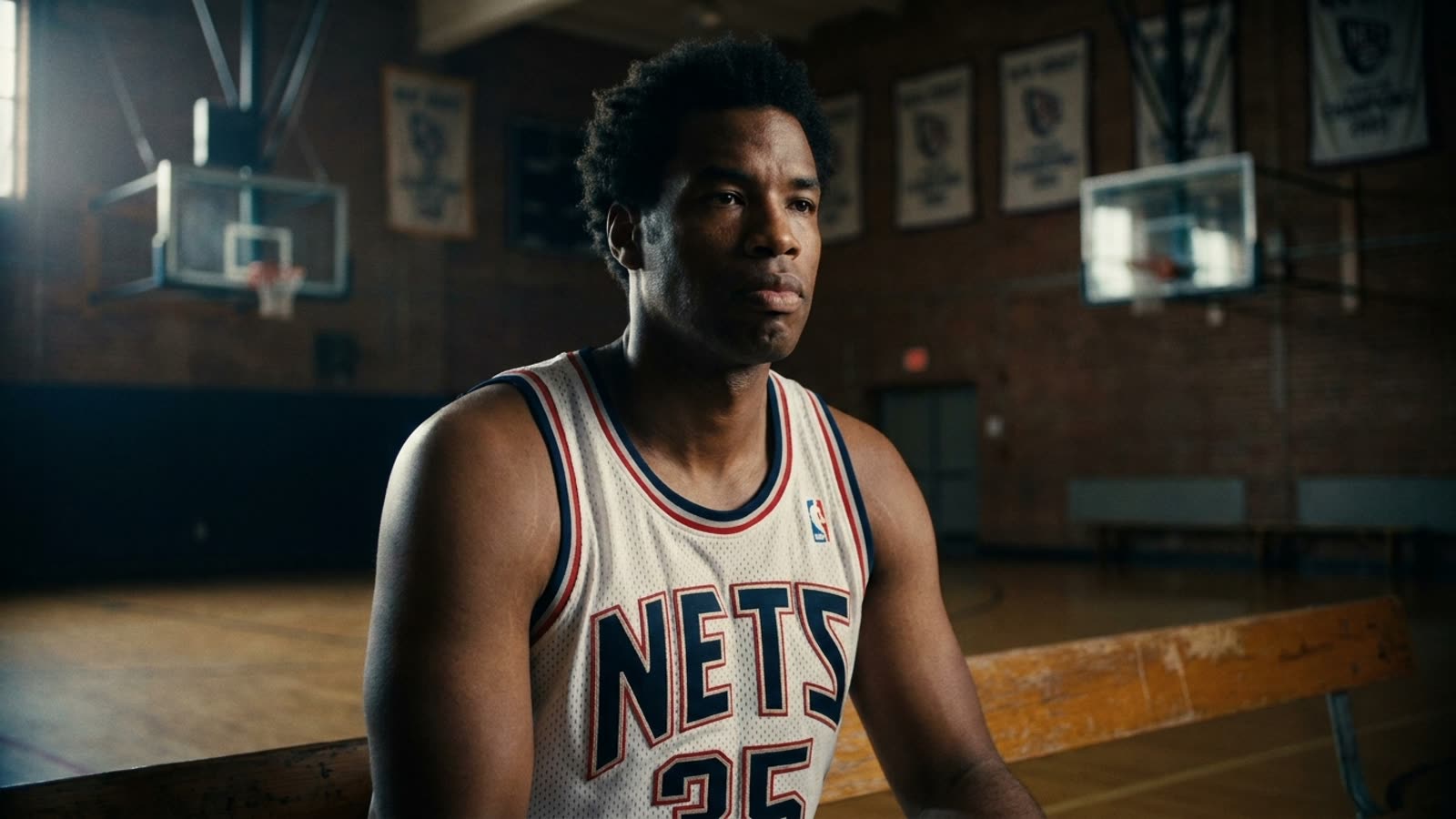
When Jason Collins came out in a 2013 Sports Illustrated cover story, he became the first active male athlete in any of the four major North American professional sports leagues to publicly identify as gay. He died Tuesday of brain cancer at 47, and the tributes flooding in from across the sports world speak to something more than athletic achievement — they speak to the particular bravery required to be first.
Collins was not a star. He was a journeyman center who played 13 NBA seasons for six franchises, averaging 3.6 points per game. His value was defensive grit, veteran presence, and the unglamorous work of setting screens and taking charges. This ordinariness was, in retrospect, part of what made his coming out so significant. He was not a transcendent talent whose abilities might shield him from backlash. He was a role player betting his career on the belief that the league — and the country — was ready.
The weight of being first
The 2013 announcement came during the free agency period following his final season with the Washington Wizards. Collins went unsigned for months, leading to speculation about whether teams were avoiding him. When the Brooklyn Nets signed him in February 2014, he became the first openly gay athlete to play in any of the big four leagues. He played 22 games before retiring, but the symbolism of those minutes on the court far outweighed their statistical significance.
President Obama called him personally after the announcement. Kobe Bryant, not known for progressive social commentary, tweeted his support. The response was overwhelmingly positive, though Collins later spoke about the hate mail and death threats that accompanied the public embrace. Being a pioneer meant absorbing both the celebration and the ugliness.
A second act as ambassador
Retirement did not mean retreat. Collins spent the past decade as a global ambassador for the NBA, traveling to promote the sport while advocating for LGBTQ+ inclusion in athletics. He spoke at conferences, mentored young athletes, and became a visible presence at Pride events. The role allowed him to leverage his platform without the physical demands of playing, and he approached it with the same workmanlike dedication he brought to defending post players.
His influence extended beyond basketball. Collins testified before Congress, consulted with other leagues on inclusion policies, and became a resource for athletes considering coming out. Carl Nassib, who in 2021 became the first active NFL player to come out as gay, cited Collins as an inspiration. The path Collins walked made subsequent journeys slightly less treacherous.
Our take
Jason Collins was not the most talented player to wear an NBA jersey, and he would have been the first to tell you so. But talent is only one measure of impact. Collins understood that representation matters, that visibility creates permission, and that sometimes the most important thing an athlete can do is simply exist publicly as themselves. Professional sports remain one of the most culturally conservative spaces in American life, and Collins's willingness to challenge that — at real professional risk — opened doors that will never fully close. He was 47, which is far too young. But the decade he spent as a public figure after coming out was not borrowed time; it was time invested in making sports more humane for those who follow.