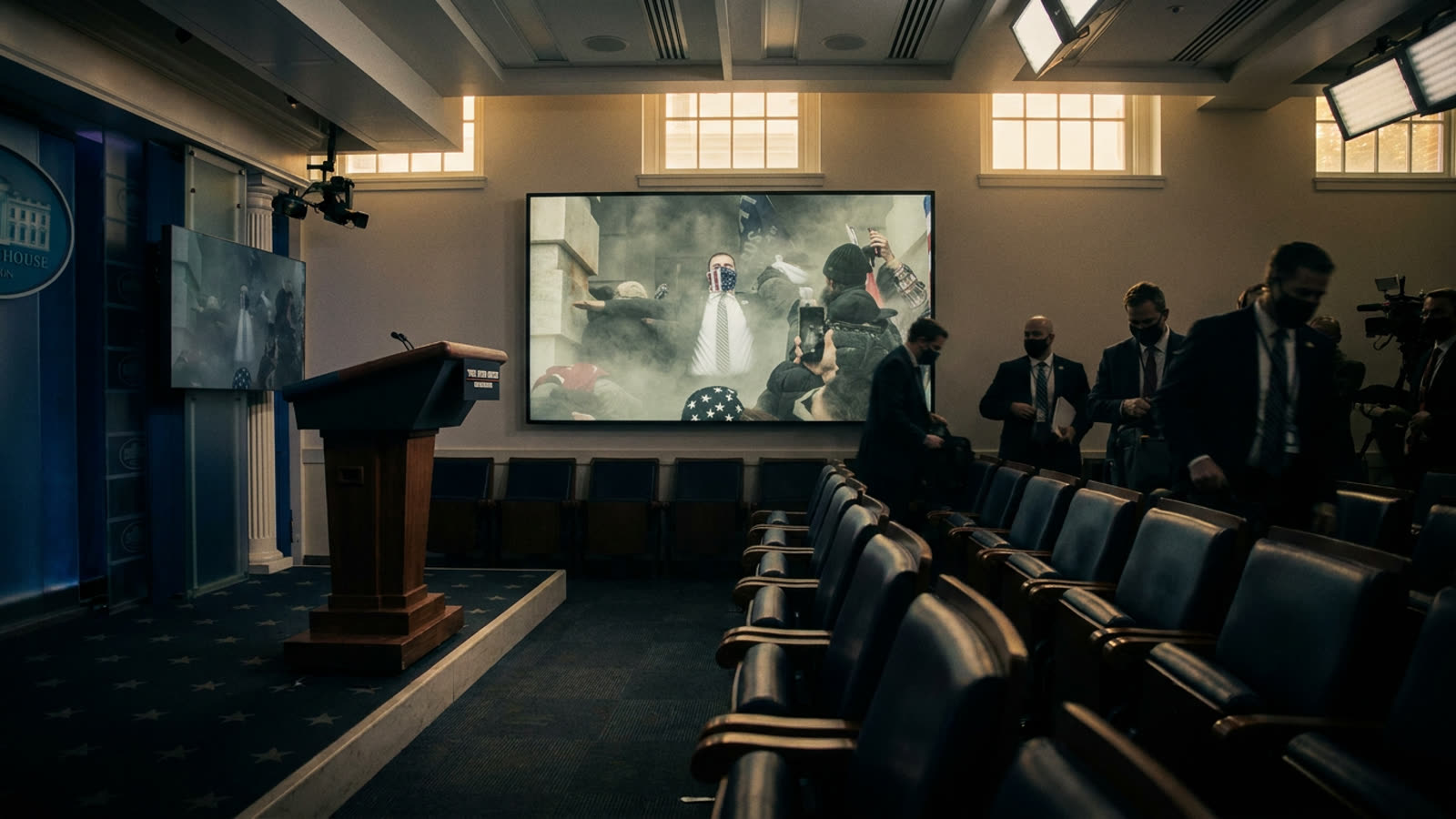
The Trump administration's quiet campaign to eliminate the final vestiges of the January 6 investigation represents something more consequential than routine political housekeeping. It is an exercise in institutional forgetting, conducted with the bureaucratic efficiency that only a second term can provide.
The White House has been methodically dismantling what remains of the broad inquiry into the Capitol riot — reassigning personnel, defunding research positions, and restructuring the agencies that housed investigative archives. The effort has accelerated in recent weeks, with sources describing a coordinated push to close out remaining cases and transfer or destroy documentation before the midterm elections shift congressional attention elsewhere.
The mechanics of erasure
What distinguishes this campaign from ordinary administrative turnover is its comprehensiveness. The administration is not merely declining to pursue new January 6 cases — a prerogative any executive enjoys — but actively unwinding the investigative apparatus itself. Positions created to process evidence are being eliminated. Interagency task forces are being dissolved. The institutional knowledge that took years to accumulate is walking out the door with every reassigned analyst.
The legal architecture supporting this effort rests on executive authority over prosecutorial discretion and agency staffing. Courts have historically granted presidents wide latitude in both areas. The administration's lawyers have been careful to frame each individual action as routine personnel management rather than obstruction — a distinction that matters enormously in any potential legal challenge.
The politics of memory
The timing is not accidental. With the 2026 midterms approaching and Republican control of Congress secure, the administration faces minimal institutional resistance. Democrats lack subpoena power. The January 6 Select Committee's final report, released in late 2022, has already faded from public consciousness. Most Americans, polling suggests, have moved on to more immediate concerns: inflation, immigration, the Iran negotiations dominating this week's headlines.
This is the environment in which historical revision becomes possible — not through dramatic confrontation but through the slow attrition of attention. Each individual step appears modest. Cumulatively, they amount to a systematic effort to ensure that the most comprehensive investigation into the Capitol riot produces no lasting institutional consequences.
Our take
Democracies forget more easily than they remember. The January 6 investigation produced thousands of convictions and a detailed public record of what happened that day. But investigations are not self-sustaining organisms; they require ongoing institutional commitment to preserve their findings and enforce their conclusions. The administration understands this better than its critics. Whether that understanding constitutes wisdom or cynicism depends entirely on what you believe January 6 was — an aberration to be processed and filed away, or a warning that requires permanent vigilance. The White House has made its choice clear.