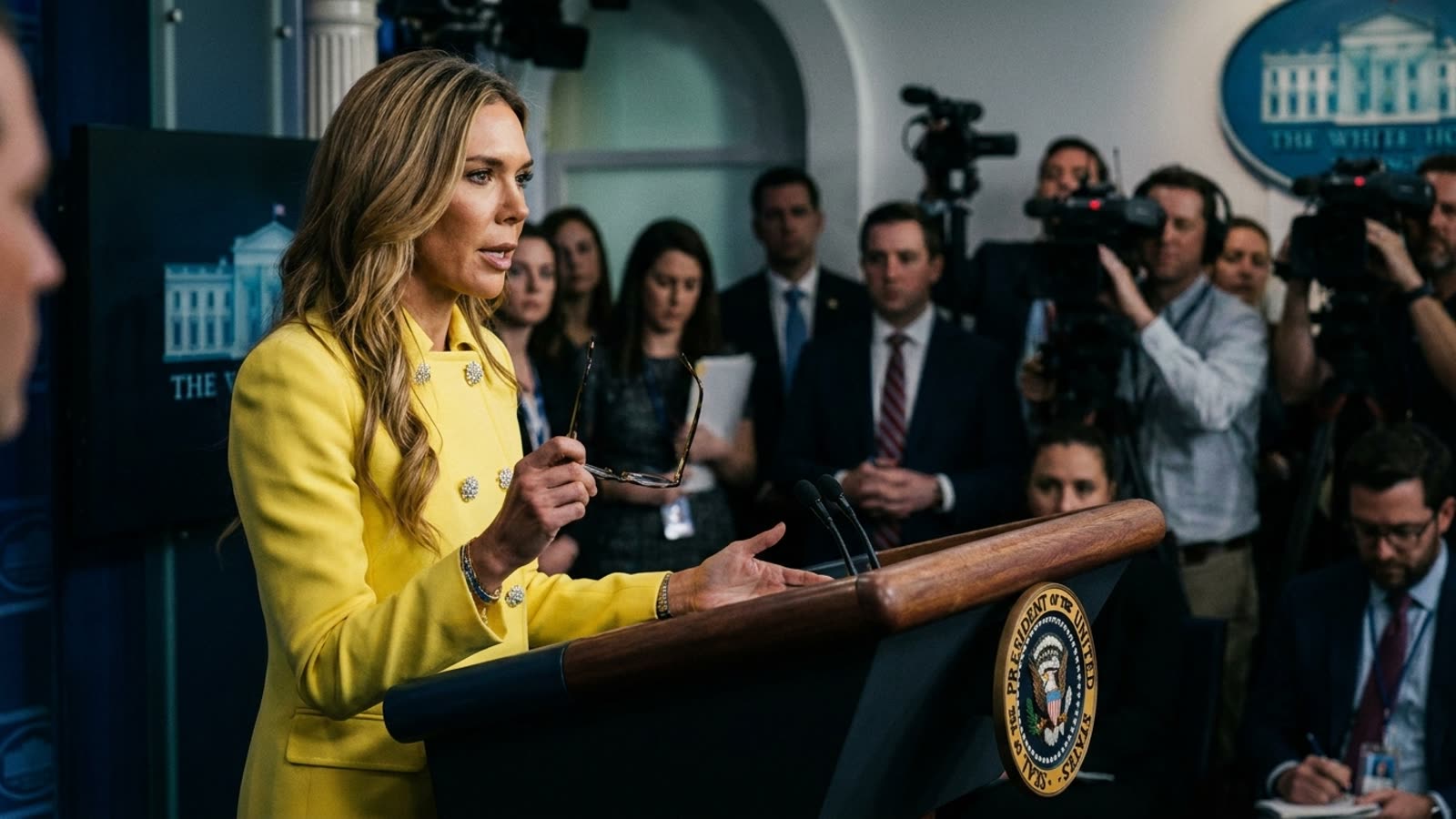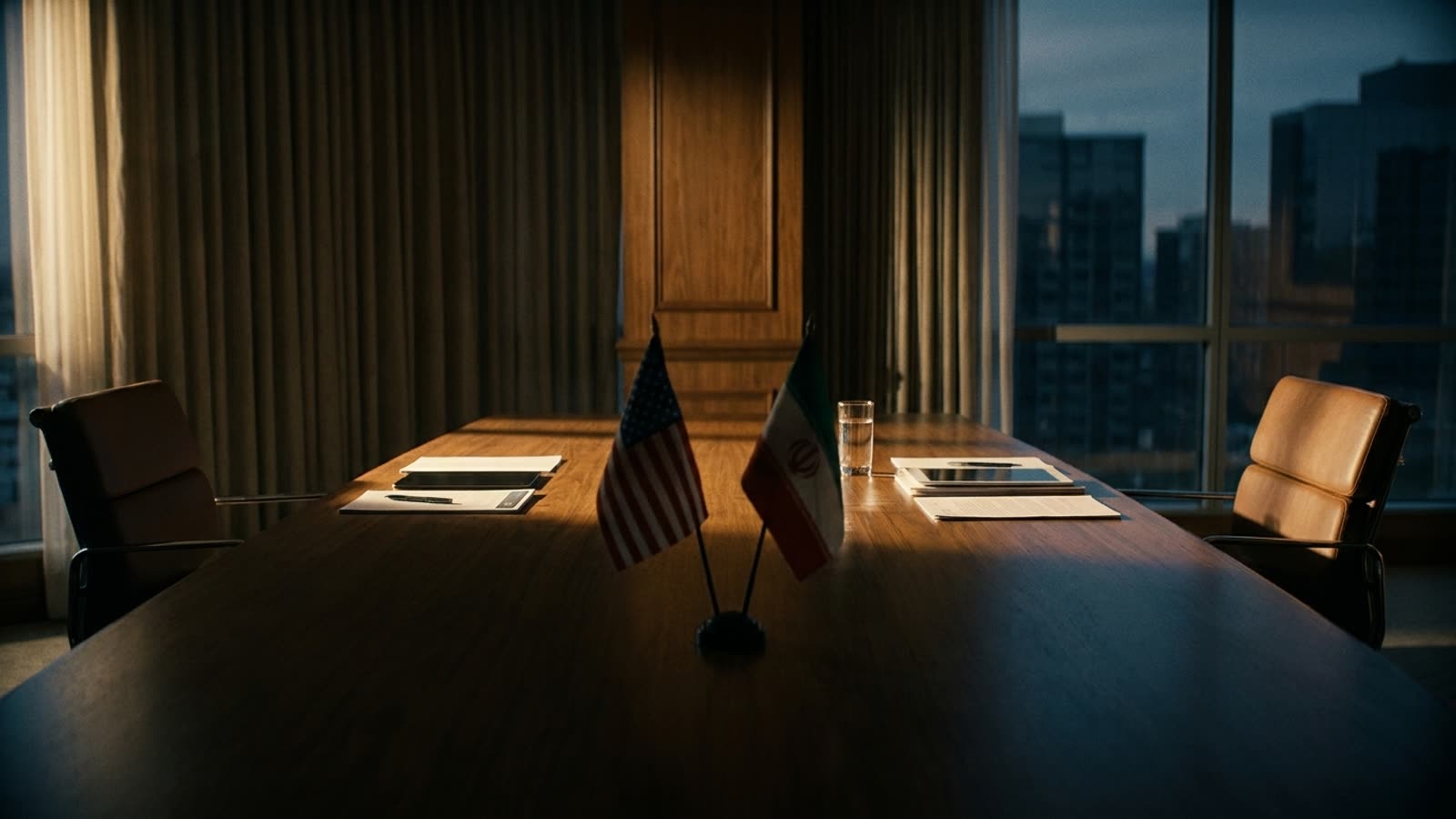
The White House confirmed Friday that President Trump is personally reviewing a new Iranian proposal aimed at ending hostilities that have simmered since American strikes on nuclear and military facilities earlier this year. The development is significant less for what Tehran is offering—details remain closely held—than for the decision matrix it forces onto a president who has spent months insisting he wants peace while prosecuting an increasingly expansive air campaign.
Trump's Iran policy has always contained a structural contradiction. He campaigned on avoiding Middle Eastern quagmires, yet his administration's doctrine of "maximum pressure 2.0" left little room for the Islamic Republic to save face. The strikes that followed Iran's enrichment breakthroughs were framed as defensive, but their scope—targeting Revolutionary Guard command nodes, not just centrifuges—suggested regime-change ambitions that diplomats in Foggy Bottom have quietly described as unachievable without ground forces no one is willing to commit.
What a deal would require
Any agreement Tehran can sell domestically must include sanctions relief substantial enough to stabilize the rial and some acknowledgment that the Islamic Republic will survive the negotiation. That is a bitter pill for a White House that has publicly mused about regime collapse. Trump's negotiating style favors theatrical summits and signing ceremonies, but Iran's leadership has learned from the 2018 JCPOA withdrawal that American signatures can be revoked by the next occupant of the Oval Office. They will demand structural guarantees—congressional ratification or third-party escrow mechanisms—that this administration has shown little appetite to provide.
The domestic audience problem
Trump's base is not monolithic on Iran, but its loudest voices are. Evangelical supporters view the Islamic Republic through an eschatological lens; national-security hawks see unfinished business from 1979. A negotiated settlement that leaves Supreme Leader Khamenei in power would be framed by these constituencies as capitulation, regardless of the concessions extracted. The president's political calculus must weigh the value of a foreign-policy "win" against the enthusiasm gap such a win might create heading into the 2026 midterms, where Republican margins are already precarious.
The military alternative
The Pentagon has reportedly presented options for a second wave of strikes targeting Iran's oil-export infrastructure, a move that would cripple the regime's finances but almost certainly spike global energy prices and risk retaliation against Gulf allies. Trump has historically been sensitive to gasoline prices as a political barometer; authorizing such strikes while reviewing a peace proposal would be strategically incoherent, yet incoherence has rarely deterred this White House when it believes momentum favors boldness.
Our take
The proposal on Trump's desk is less a peace offering than a test of his strategic identity. Presidents who want legacies negotiate; presidents who want monuments escalate. Trump has spent his political career conflating the two, and Iran is now calling that bluff. If he accepts terms that leave the regime intact, he will own a deal his successors can unpick. If he rejects them, he will own whatever comes next. For a man who prizes optionality above all else, the narrowing of choices may be the cruelest feature of the presidency he sought twice and won.