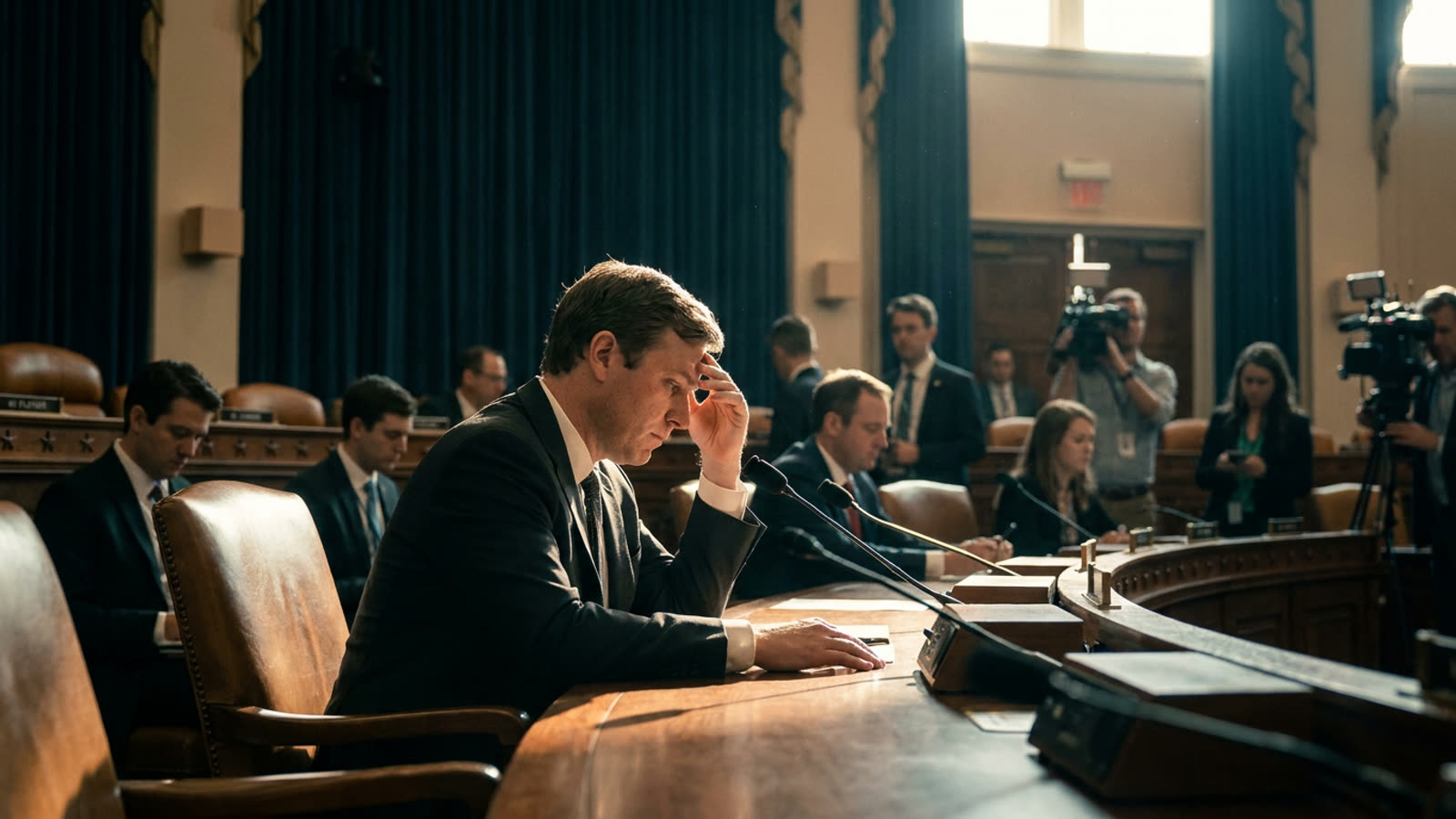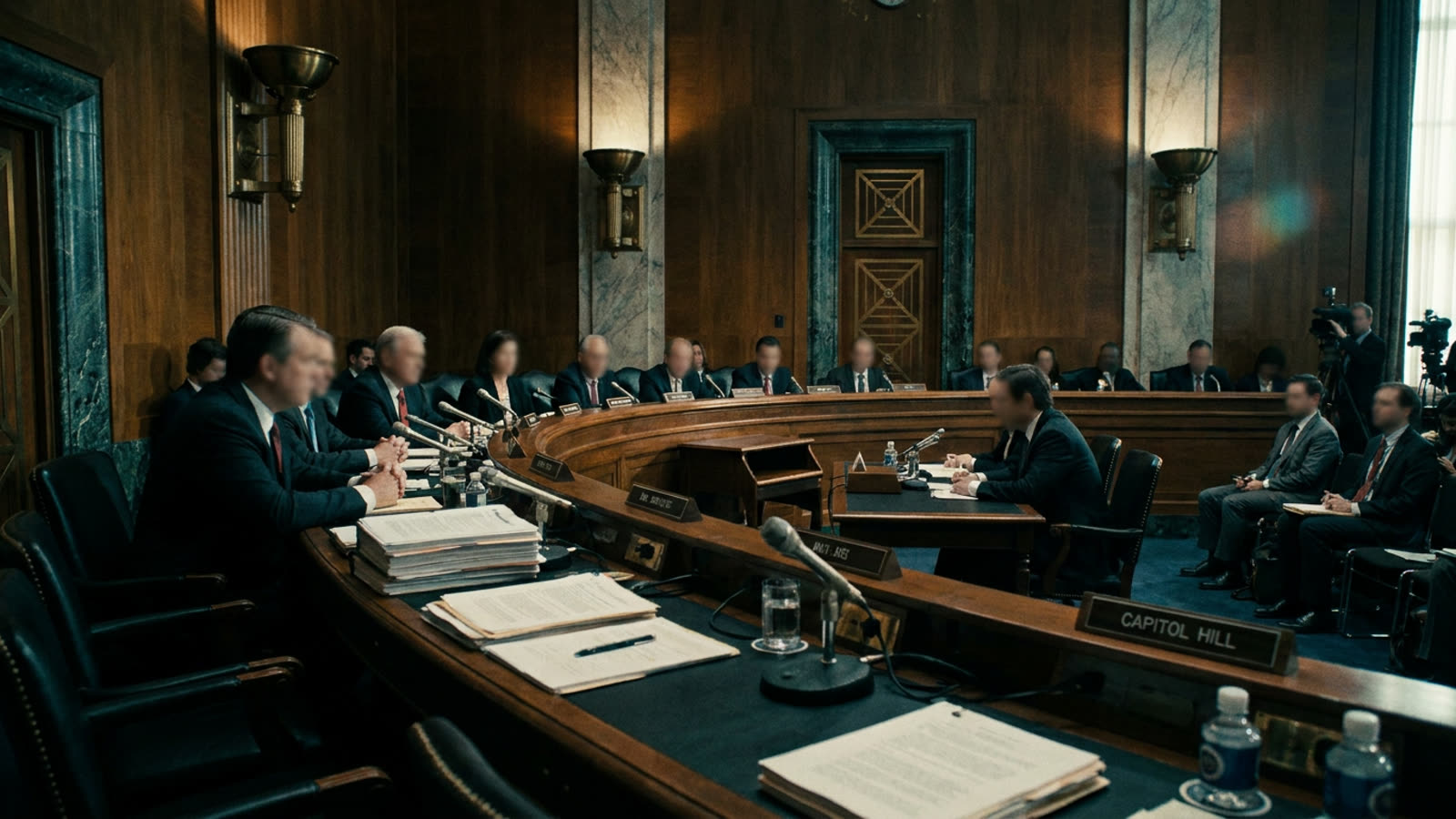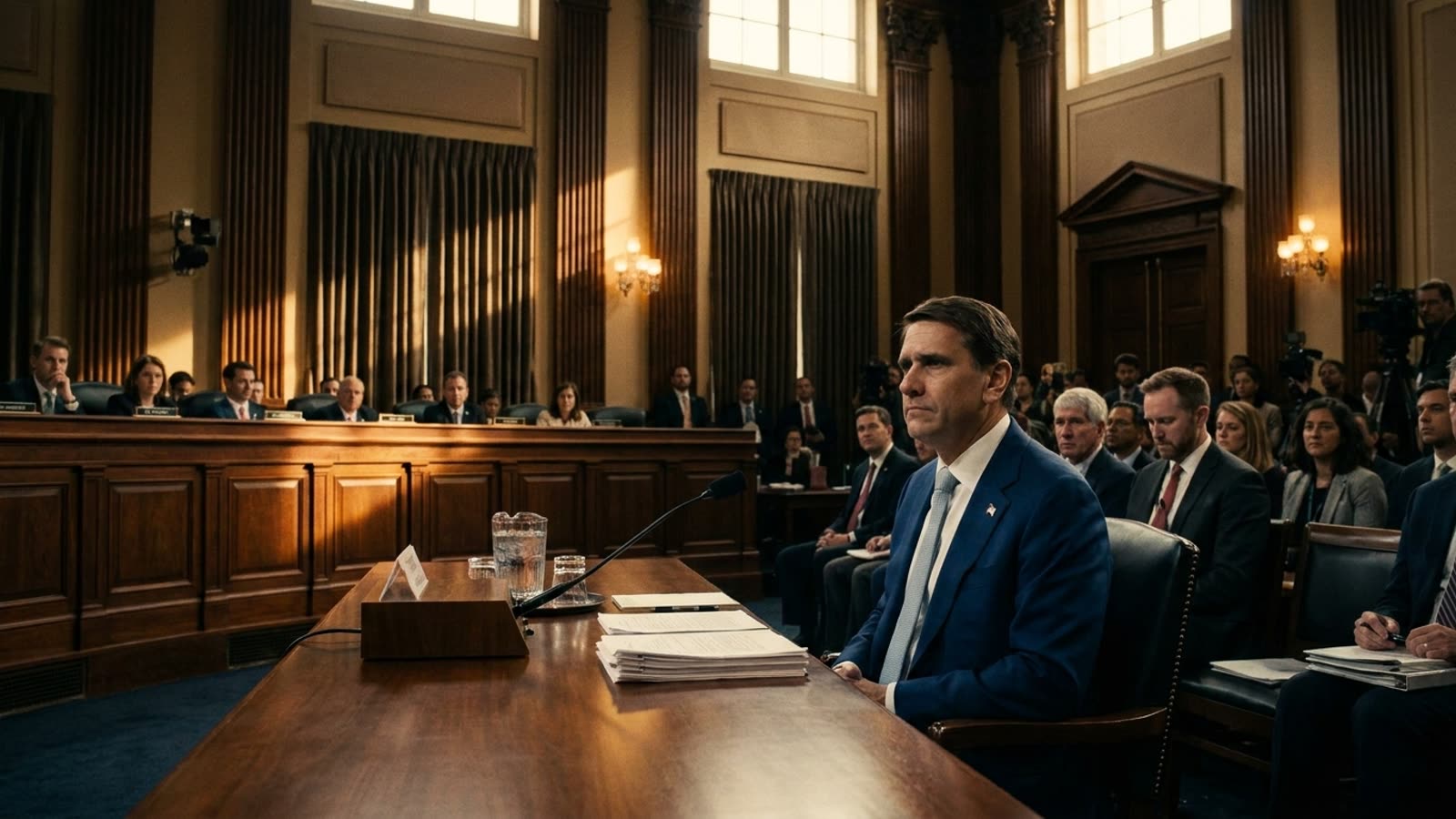
The Senate Republican conference is approaching a vote that has nothing to do with policy and everything to do with fealty. The so-called anti-weaponization fund—a Treasury allocation designed to reimburse legal fees for Trump administration officials and allies who faced investigation during the Biden years—is forcing GOP senators to answer a question they have spent years avoiding: Is there any line?
The fund, tucked into a broader appropriations package, would set aside hundreds of millions of dollars to compensate individuals who claim they were targeted by a "weaponized" Justice Department. The beneficiaries would include former officials who faced scrutiny for January 6th-related activities, election interference investigations, and various ethics inquiries. The mechanism is deliberately vague—disbursements would be controlled by a Trump-appointed board with minimal congressional oversight.
The math problem
Republicans hold a 53-47 Senate majority, which means they can afford to lose three votes on a party-line measure. At least five GOP senators have expressed reservations publicly, and staffers suggest the private count is higher. Susan Collins of Maine, Lisa Murkowski of Alaska, and Bill Cassidy of Louisiana have all signaled discomfort with what one aide called "a retroactive pardon fund with no judicial review." Thom Tillis of North Carolina and Todd Young of Indiana have asked pointed questions in caucus meetings about constitutional implications.
The White House response has been characteristically blunt. Trump allies have warned wavering senators that opposition will be remembered—and that primary challenges in 2028 are not off the table. The implicit threat is familiar, but the stakes are unusually personal: several sitting senators have family members or former staffers who could theoretically benefit from the fund.
The institutional question
What makes this vote different from the dozens of loyalty tests Republicans have faced since 2017 is its naked transactionalism. This is not a policy disagreement dressed up in ideological language. There is no conservative principle that demands taxpayer-funded legal defense for political allies. The fund exists for one reason: to reward those who remained loyal during Trump's legal difficulties and to signal that future loyalty will be similarly compensated.
For senators who still imagine themselves as institutionalists—defenders of Senate prerogatives, separation of powers, and basic fiscal restraint—the vote is clarifying. A yes vote means accepting that the federal Treasury is now a political war chest. A no vote means accepting the consequences of defiance.
Our take
The anti-weaponization fund is less interesting as legislation than as a diagnostic tool. It will tell us precisely how many Republican senators believe in anything beyond their own survival. The number will almost certainly be smaller than five, because the number is always smaller than expected. The fund will pass, the money will flow, and the precedent will be set. Future administrations of both parties will remember that Congress blessed the use of public funds to insulate political allies from legal accountability. That is the actual weaponization—and it is happening in plain sight.