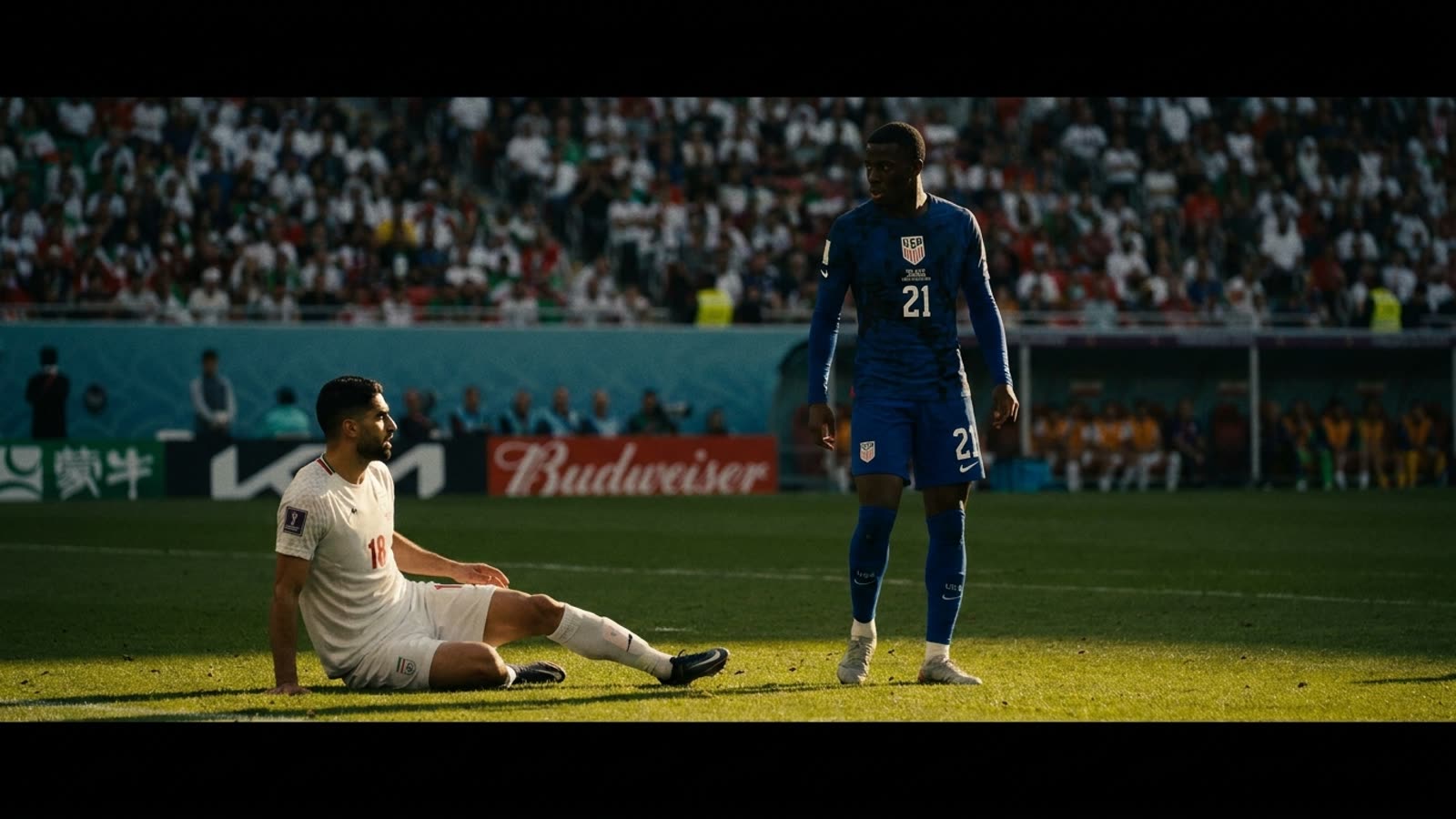
Few World Cup fixtures arrive pre-loaded with as much geopolitical baggage as Iran versus the United States, and the 2026 edition promises to be no exception. As the Iranian squad received a warm sendoff from their Tijuana base camp this weekend, the short journey north to Los Angeles carried the unmistakable weight of history, diplomacy, and unfinished business.
The two nations have met twice before at World Cups—1998 and 2022—with Iran winning the first and the Americans exacting revenge in the second. This rubber match arrives at a moment when relations between Washington and Tehran remain defined by sanctions, nuclear brinkmanship, and regional proxy conflicts. The players, as always, insist they are focused solely on football.
A base camp with purpose
Iran's decision to establish their World Cup headquarters in Tijuana was both practical and symbolic. The Mexican border city offers proximity to their Group F venues while providing a buffer from the intense scrutiny that would accompany a camp on American soil. Reports from the sendoff describe a squad in good spirits, greeted by local supporters and Iranian expatriates who made the trip to wish them well.
Head coach has emphasized squad unity and tactical discipline in pre-tournament interviews, aware that his players will face not just American athleticism but the psychological pressure of performing before a predominantly hostile crowd in Los Angeles. The city's substantial Persian diaspora complicates that dynamic—some will cheer for Team Melli, others have complicated relationships with the Islamic Republic that fielding the team represents.
The 1998 shadow
That match in Lyon remains one of the most politically significant in World Cup history. Iranian players presented white roses to their American counterparts before kickoff, a gesture of peace that briefly transcended the "Great Satan" rhetoric. Iran's 2-1 victory sparked celebrations in Tehran that the government struggled to control—joy for football mixing dangerously with desires for broader freedom.
Nearly three decades later, the Iranian regime faces renewed domestic unrest, and another World Cup provides another stage where sport and politics prove impossible to separate. American players have been briefed on the sensitivity; Iranian players know their performances will be scrutinized through lenses that have nothing to do with their technical abilities.
Our take
World Cups are sold as celebrations of global unity, but Iran-USA matches reveal that framing as the pleasant fiction it is. These are nations whose governments view each other with genuine hostility, and no amount of FIFA fair-play messaging changes that reality. What makes the fixture compelling is precisely its discomfort—the way it forces millions of viewers to confront how thin the membrane is between the beautiful game and the ugly world. The players will shake hands, the anthems will play, and for ninety minutes everyone will pretend this is just football. It never is.