The Texas Republican primary runoff was not close, and that is the point. John Cornyn, a three-term senator who once served as Senate Majority Whip and sat on the Judiciary and Intelligence committees, was demolished by Ken Paxton, the state attorney general who arrived at the contest trailing impeachment proceedings, securities fraud indictments, and a late-breaking Trump endorsement that proved decisive. The margin suggests something beyond a normal primary defeat: it was a repudiation of the old Republican establishment by a party base that has moved past it entirely.
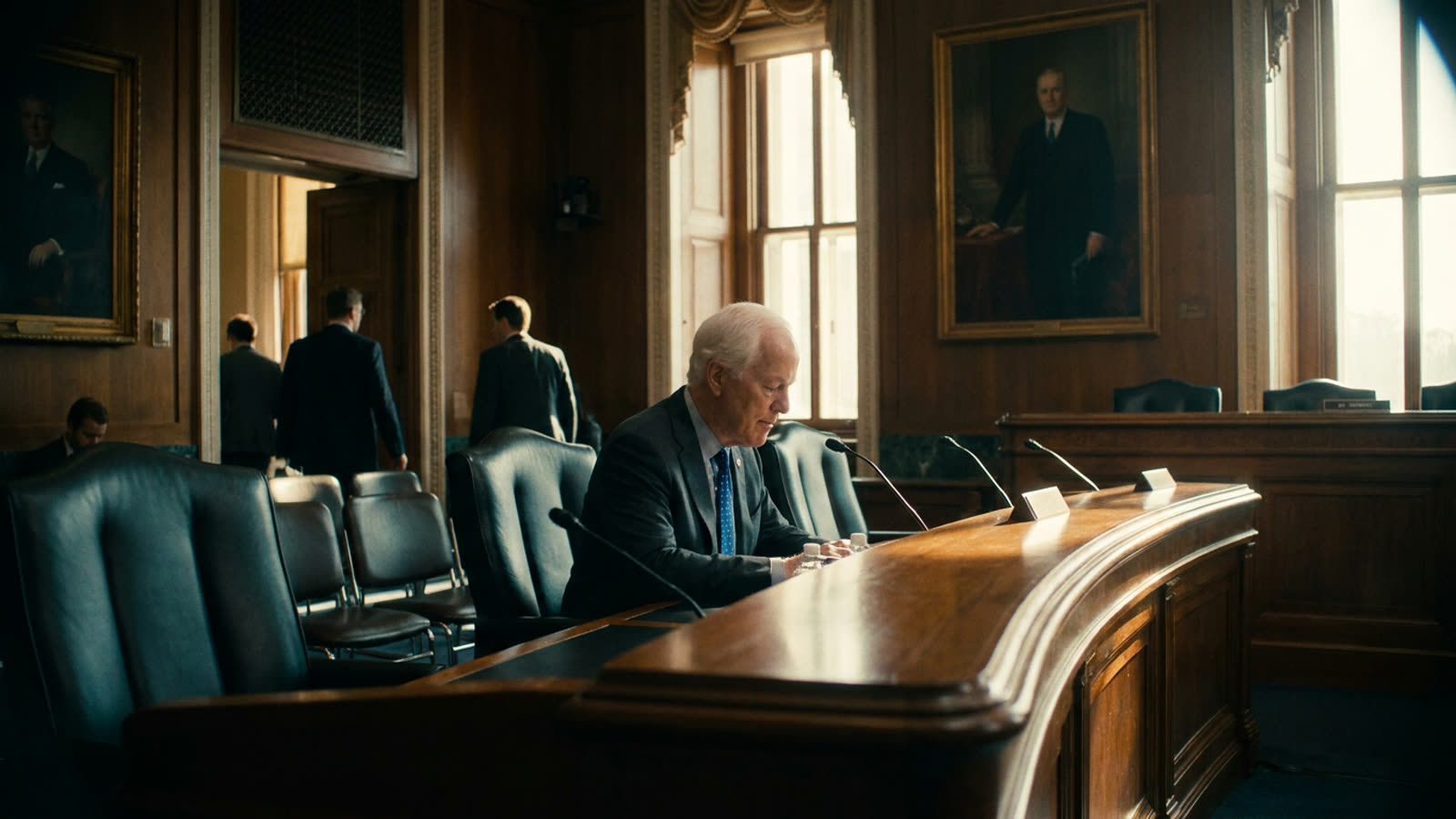
The question now circulating in Washington is whether Cornyn will join the small but growing caucus of Senate Republicans who have begun voting against Trump administration priorities—or whether he will serve out his remaining months in dignified silence, collecting his pension and his future lobbying clients.
The rebellion that isn't
The notion of a Senate GOP rebellion makes for compelling copy, but the evidence remains thin. A handful of Republicans have broken with the White House on specific votes, typically on procedural grounds or narrow policy disagreements. None have mounted anything resembling sustained opposition. The incentive structure remains what it has been since 2016: cross Trump and face a primary challenger with access to his endorsement and his fundraising apparatus. Cornyn just provided the latest data point.
What makes Cornyn's situation unusual is that he has nothing left to lose. He cannot run again. He cannot be primaried. He is, for the first time in his Senate career, genuinely free to vote his conscience—assuming he has policy disagreements he has been suppressing, which is not a safe assumption.
The Paxton factor
Paxton's victory is its own story. He remains under indictment on state securities fraud charges filed more than a decade ago, a case that has moved with glacial slowness through the Texas courts. He survived an impeachment trial in the state Senate in 2023 on charges of bribery and abuse of office. His tenure as attorney general has been defined by aggressive litigation against the Biden administration, abortion providers, and social media companies—a portfolio that plays well with the Republican base regardless of the legal merits.
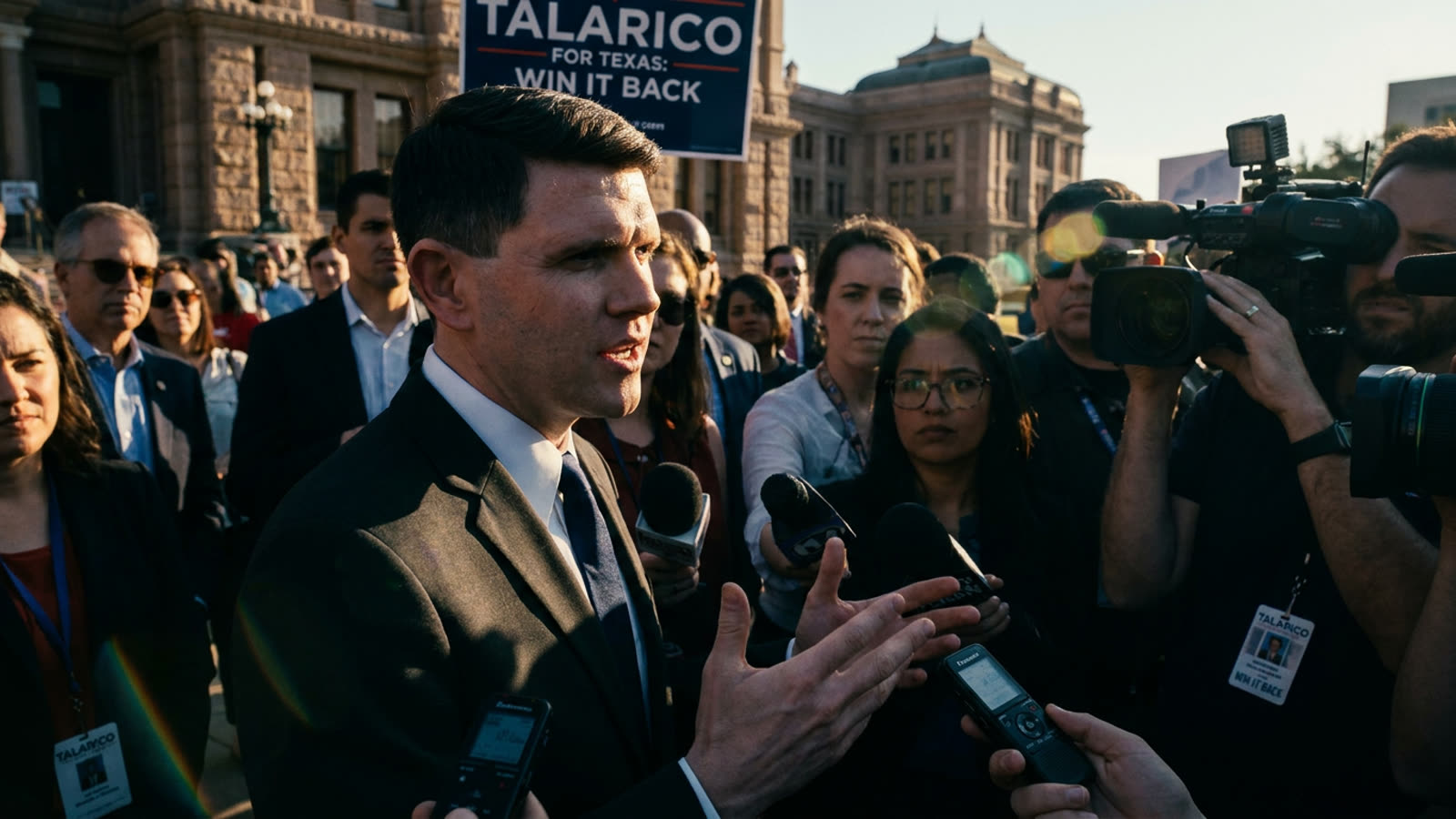
Trump's endorsement came late, after Cornyn had spent months positioning himself as a reliable conservative who had supported the former president's agenda. It did not matter. The base wanted the fighter, not the institutionalist. Paxton will now face Democratic nominee James Talarico in November in a race that would be uncompetitive in any normal year but may draw national Democratic money given Paxton's vulnerabilities.
Our take
Cornyn will not rebel. He will give a few interviews expressing disappointment with the direction of the party, vote with the administration on most matters, and retire to a comfortable sinecure at a Houston law firm or a defense contractor. The senators who might actually break with Trump are not the ones who just lost primaries—they are the ones who never have to face voters again and possess either genuine ideological conviction or sufficient personal wealth to be indifferent to their future employment prospects. That is a very short list, and Cornyn has never been on it.