The timing is exquisite in its menace. As the United States hosts its first World Cup matches in over three decades, an Iranian-linked hacking collective has announced it possesses control of FBI surveillance drones and intends to deploy them against tournament venues. The claim, emerging from the same group that successfully penetrated the email account of Kash Patel before his confirmation as FBI Director, sits in that uncomfortable space between probable bluster and plausible nightmare.
The threat transforms what should be a celebration of American sporting ambition into a stress test of federal cybersecurity infrastructure at the worst possible moment.
The credibility problem
Washington faces a genuine dilemma. The hackers have demonstrated capability before—the Patel breach was real, embarrassing, and extensively documented. Dismissing this threat as empty posturing risks catastrophic failure if the claims prove even partially accurate. Yet acknowledging the threat publicly amplifies its psychological impact, which may be the entire point.
Federal agencies have offered carefully worded non-denials, the bureaucratic equivalent of sweating through a press conference. The FBI confirmed it is "aware of the claims and taking all appropriate measures," language that communicates nothing while suggesting everything. Stadium security protocols at World Cup venues have reportedly been "enhanced," though officials decline to specify how one enhances security against potentially compromised federal assets.
The drone vulnerability
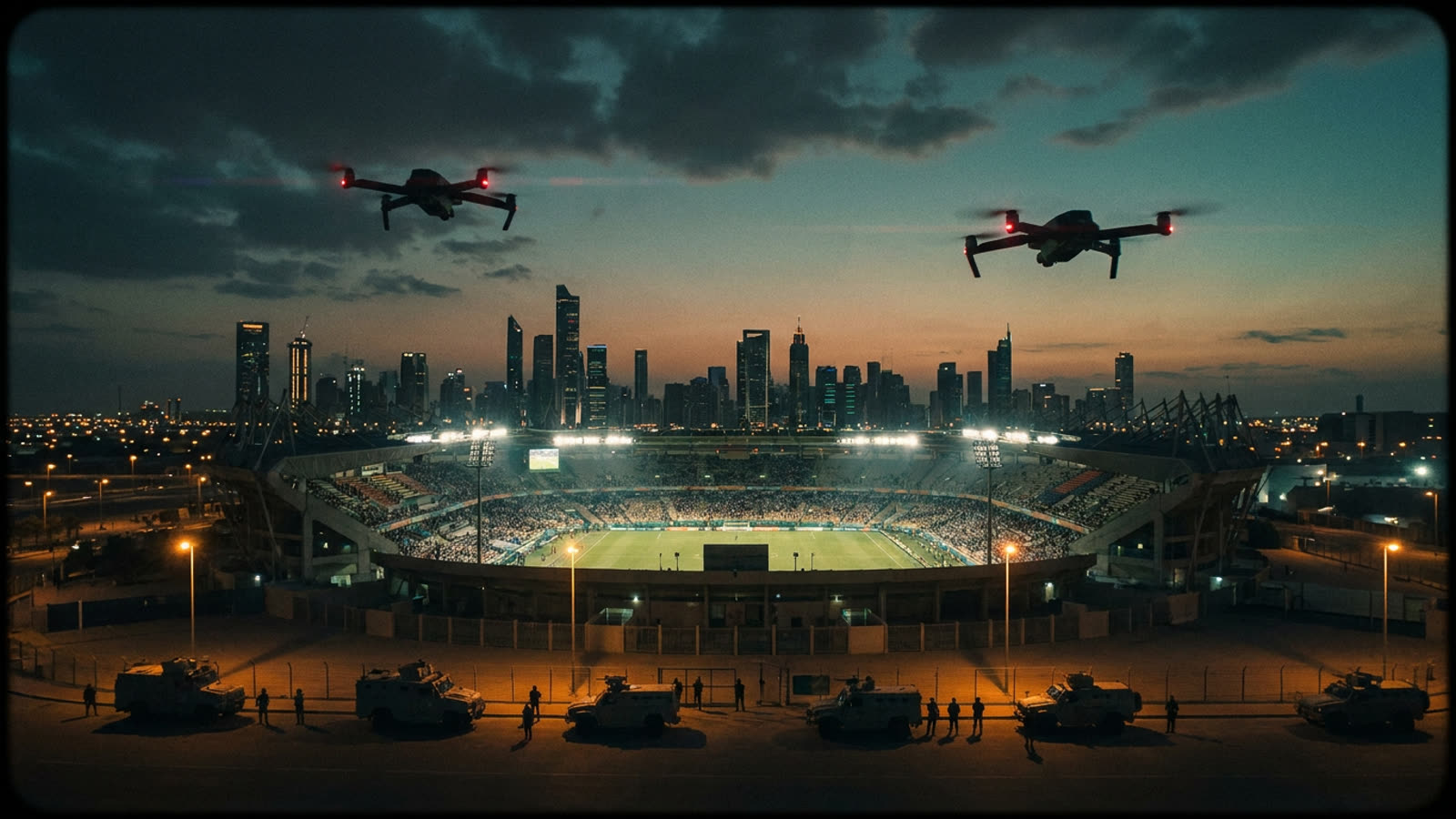
The specific nature of the threat—hijacked surveillance drones rather than planted explosives or network intrusions—reflects an evolution in asymmetric warfare. Modern drones rely on encrypted communication links that security researchers have repeatedly demonstrated can be spoofed, jammed, or intercepted. The FBI's surveillance fleet, while presumably more hardened than consumer models, operates on principles that determined adversaries have spent years studying.
What makes the scenario particularly troubling is the dual-use nature of the alleged compromise. A surveillance drone turned hostile doesn't need to carry weapons to cause chaos. The mere presence of an uncontrolled aircraft over a stadium packed with tens of thousands of spectators would trigger evacuation protocols, stampede risks, and the kind of televised pandemonium that serves terrorist objectives without requiring a single casualty.
The tournament continues
FIFA and U.S. Soccer have maintained their scheduled programming, a decision that reflects both institutional inertia and reasonable risk calculation. Canceling or postponing matches based on unverified threats would establish a template for any future actor seeking to disrupt major events through announcement alone. The World Cup will proceed, security will be tightened in ways visible and invisible, and millions of fans will enter stadiums trusting that someone, somewhere, has this handled.
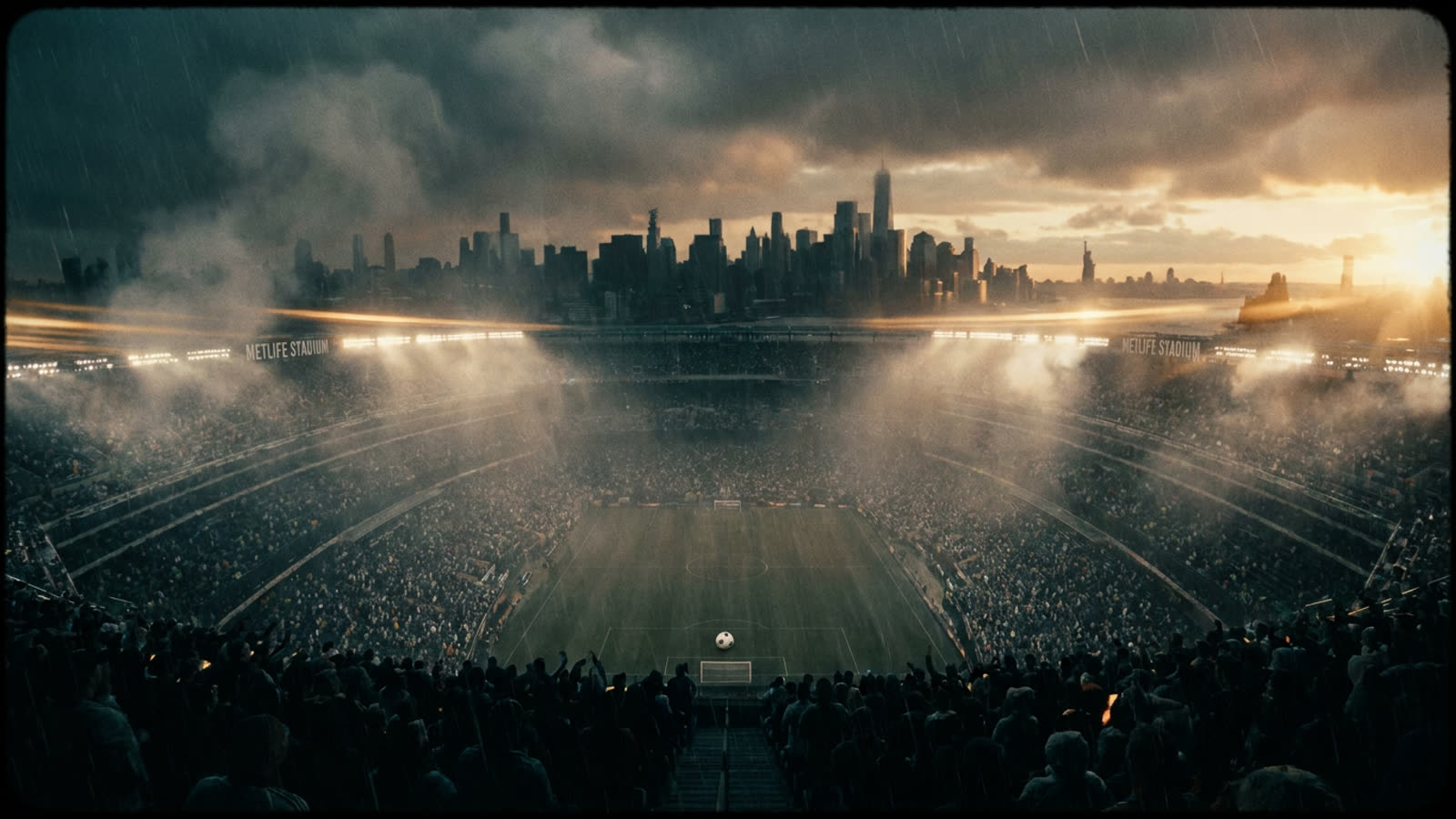
That trust may be the threat's actual target. The hackers don't necessarily need to fly a drone into MetLife Stadium to achieve their objectives. They need Americans watching their home World Cup to feel a flicker of doubt, to wonder whether the skies above the pitch are truly secure. In the economy of terror, uncertainty pays dividends.
Our take
This is what modern conflict looks like: not tanks rolling across borders but claims and counterclaims in the digital ether, each side uncertain what the other actually possesses. The Iranian-linked group may have nothing but audacity and a history of successful hacks. They may have exactly what they claim. American security services cannot afford to assume the former, and the American public cannot afford to assume the latter. The World Cup will be played under a cloud that no amount of fighter jet flyovers can disperse, and that ambiguity is itself a kind of defeat.