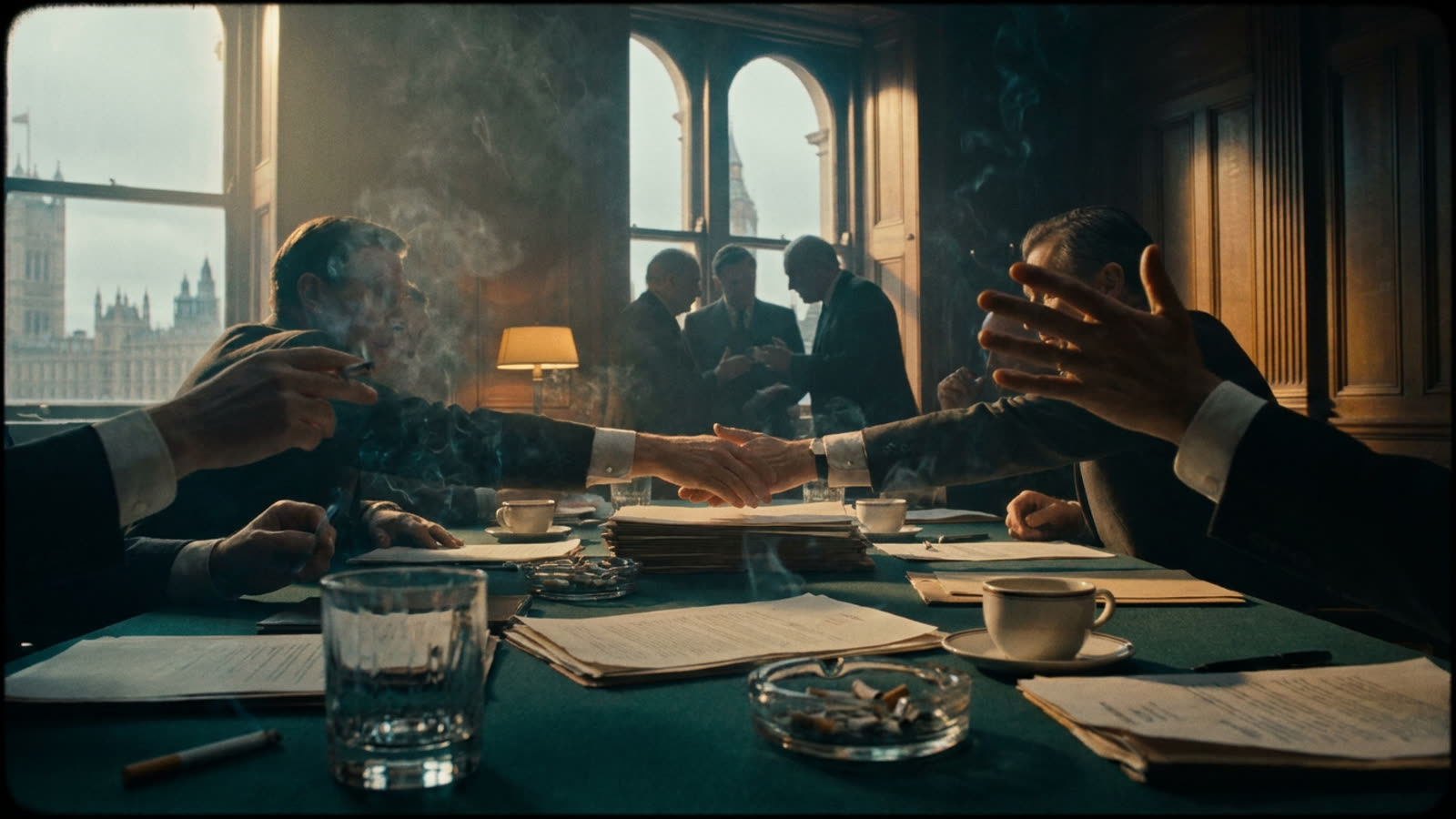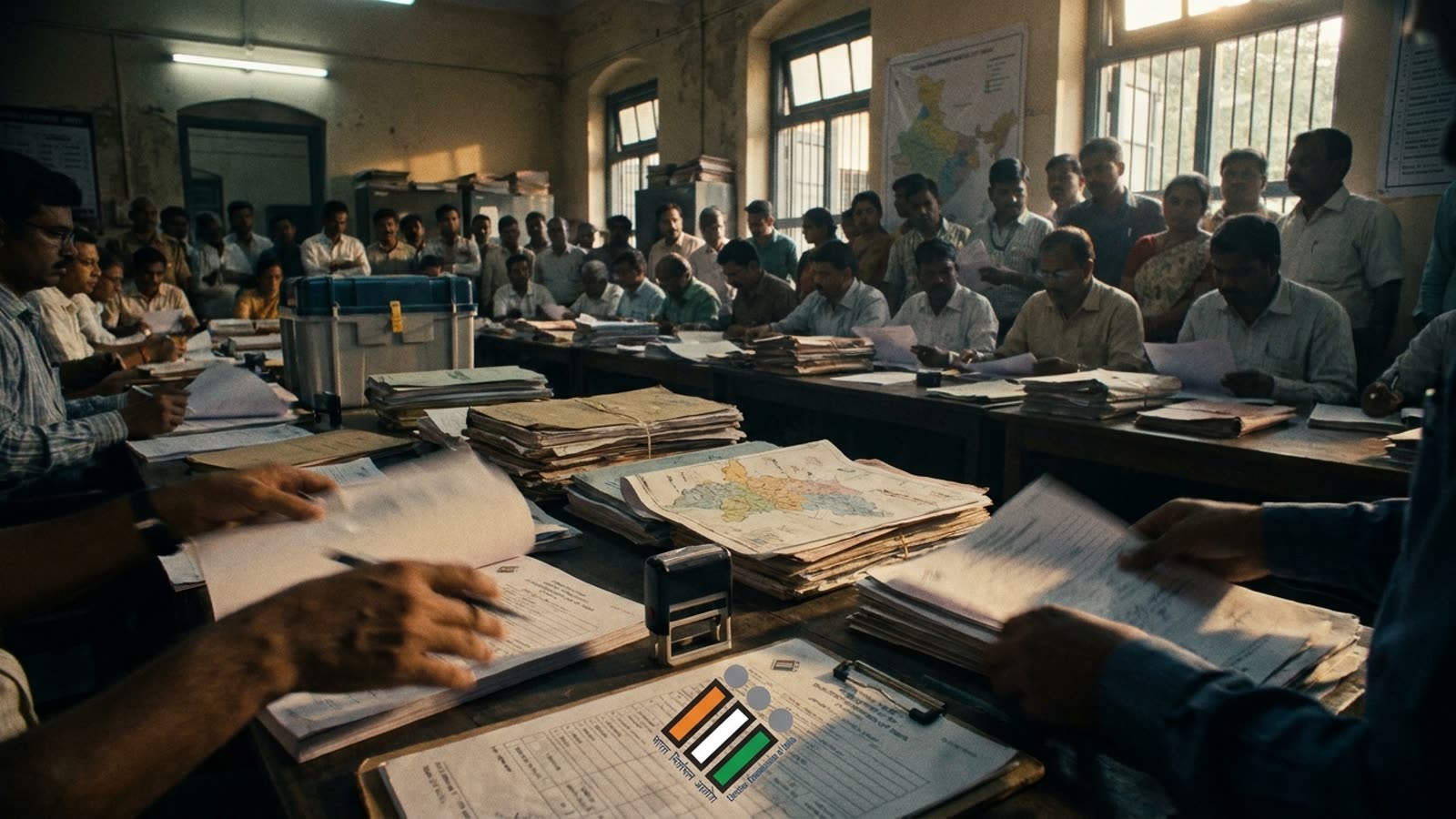
The death of a parliament rarely looks like a coup. There are no tanks in the square, no generals on television announcing the suspension of constitutional order. Instead, the institution simply becomes irrelevant—a building where people in suits gather to rubber-stamp decisions made elsewhere, or to shout into a void that no longer echoes.
This is the modern art of legislative capture, and it has become the preferred method for ambitious executives who want unchecked power without the international opprobrium of outright authoritarianism. The techniques are remarkably consistent across continents, ideologies, and regime types.
The packing strategy
The most straightforward approach is to change who sits in the chamber. This can mean redrawing electoral districts to guarantee supermajorities, as Hungary's Fidesz party did after 2010, transforming modest popular vote margins into constitutional-amending dominance. It can mean disqualifying opposition candidates on technical grounds, a specialty of courts in Venezuela and Nicaragua. Or it can mean simply buying legislators outright—Peru has seen multiple presidents accused of offering cash, contracts, and pardons to secure votes.
But packing is crude and visible. More sophisticated operators prefer to leave the opposition in place while making their presence meaningless.
The bypass mechanisms
Executive decrees, emergency powers, and delegated legislation allow leaders to govern around their parliaments rather than through them. Poland's Law and Justice party used a constitutional tribunal it had already captured to validate laws that the Sejm might have blocked. Turkey's Erdoğan governed for years under a state of emergency that permitted rule by decree, only formalizing his expanded powers through a 2017 referendum once the new normal had been established.
The European Union, that supposed bastion of liberal democracy, has its own version: the European Commission's monopoly on legislative initiative means the European Parliament can only react to proposals, never originate them. Members of the European Parliament have compared themselves to a body that can cough but not speak.
The resource squeeze
A parliament without staff, research capacity, or time to deliberate is a parliament in name only. Executives can starve legislative budgets, flood chambers with omnibus bills too vast to scrutinize, or simply refuse to share information that oversight requires. The United States Congress, nominally among the world's most powerful legislatures, has seen its analytical capacity decline for decades—the Office of Technology Assessment was abolished in 1995, and committee staff numbers have fallen even as the complexity of governance has grown.
The result is a legislature increasingly dependent on lobbyists for expertise and on executive agencies for basic data about what the government is actually doing.
Our take
The genius of modern legislative capture is its deniability. Elections still happen. Votes are still counted. The building still stands. But the institution has been transformed from a check on power into a rubber stamp or a stage for performative opposition. The question for democracies is whether voters will notice the difference before the hollowing is complete—and whether they will care enough to reverse it when the alternative is a strongman who gets things done.