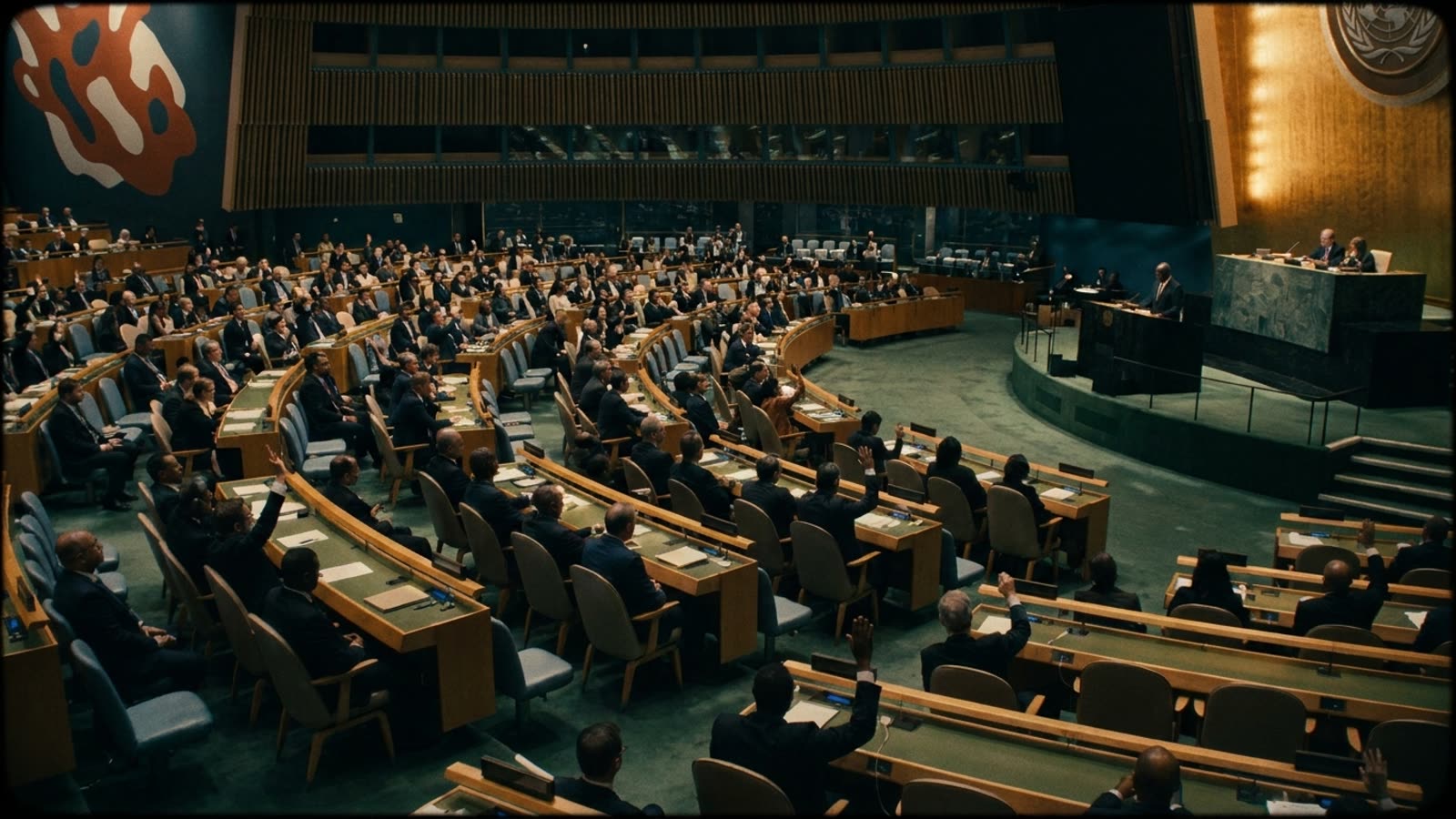
The story democracies tell themselves about candidate selection is a comforting fiction. Voters go to polling stations, mark their preferences, and the people's choice emerges to contest the general election. The reality is considerably messier, and understanding how parties actually winnow the field reveals much about where power truly resides in electoral systems.
In the United States, the primary system appears maximally democratic—registered party members vote directly for their preferred nominee. Yet the process is layered with mechanisms that amplify party influence. Ballot access requirements vary wildly by state, with some demanding thousands of signatures and substantial filing fees before a candidate can even appear. Debate qualification thresholds, set by party committees and media organizations, determine who achieves the visibility necessary to be taken seriously. And the delegate allocation rules—proportional in some states, winner-take-all in others, with superdelegates hovering above—create a mathematical landscape that advantages certain candidacies over others in ways few primary voters understand.
The selectorate problem
Political scientists use the term "selectorate" to describe the group that actually chooses leaders, as distinct from the broader electorate that ratifies those choices. In most parliamentary democracies, the selectorate is remarkably small. British MPs choose their party leaders through internal ballots, with the broader membership only recently gaining a consultative role. German chancellors emerge from coalition negotiations among party elites after elections, not from any direct popular mandate. Japanese prime ministers are selected by Liberal Democratic Party faction bosses in processes that would be unrecognizable as democratic to outside observers.
This concentration of selection power is not necessarily antidemocratic—it can produce experienced, competent candidates who understand governance. The American primary system, by contrast, rewards media savvy and fundraising prowess over legislative skill, which may explain why the U.S. Congress contains fewer former governors and more former television personalities than it once did.
Money as gatekeeper
The invisible primary—the period before any votes are cast—is where most candidacies actually succeed or fail. Donors, bundlers, and party committees make early assessments about viability, and their collective judgment becomes self-fulfilling. A candidate who cannot secure sufficient early funding cannot hire staff, cannot advertise, cannot travel, and therefore cannot generate the polling numbers that would attract more funding. The system selects for candidates palatable to donor networks, which in most countries means candidates who will not threaten existing economic arrangements too dramatically.
Public financing schemes in countries like Germany and Canada partially mitigate this dynamic, but even there, the parties themselves control which candidates receive support and how much. The party apparatus remains the essential gatekeeper.
Our take
The gap between democratic mythology and selection reality is not a bug but a feature—parties exist precisely to aggregate preferences and filter candidates, and some filtering mechanism is inevitable. The question is whether the filtering serves the public interest or merely incumbent interests. Transparency about how the sausage gets made would be more honest than pretending primary voters are sovereign. They are participants in a constrained choice architecture designed by people whose names never appear on any ballot.