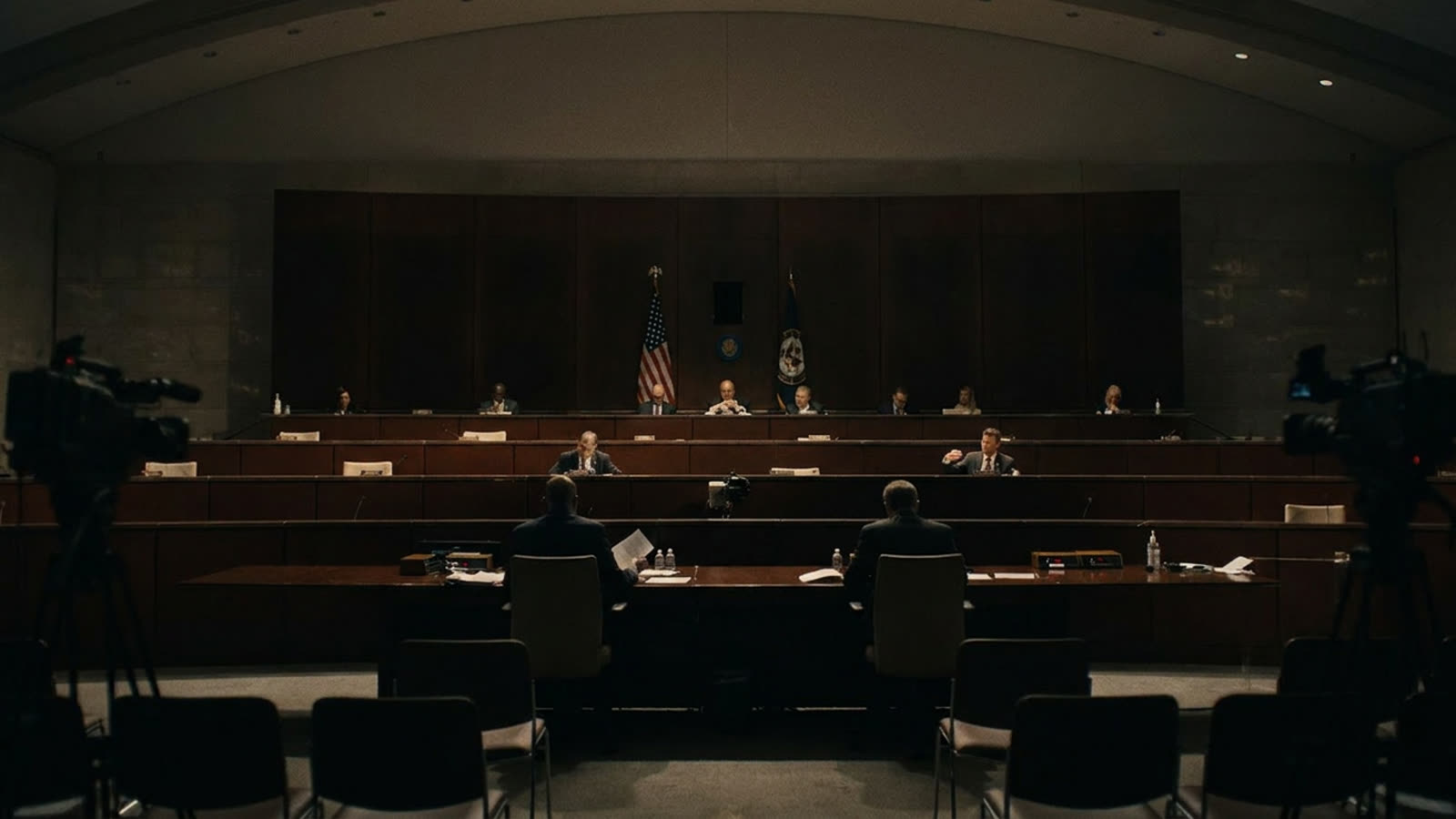
Every legislature in the democratic world faces the same fundamental problem: how do you get dozens or hundreds of independently elected politicians, each answering to their own constituents and ambitions, to vote as a coherent bloc? The answer, refined over three centuries of parliamentary practice, is the whip — a role that sounds archaic because it is, yet remains indispensable to the functioning of modern government.
The title derives from the "whipper-in" of English fox hunting, the rider tasked with keeping hounds from straying. The metaphor is apt and deliberately unflattering. Whips exist to impose discipline on creatures whose natural instinct is to scatter.
The mechanics of persuasion
Whips operate through a carefully calibrated system of carrots and sticks, though the carrots tend to be small and the sticks considerable. In Westminster-style parliaments, the weekly "whip" document sent to members grades votes by importance: a one-line whip suggests attendance is optional, a two-line whip expects presence, and a three-line whip demands it on pain of serious consequences. Defying a three-line whip can mean losing committee assignments, being passed over for ministerial positions, or in extreme cases, expulsion from the parliamentary party entirely.
The American system operates somewhat differently but toward the same end. The House Majority Whip and Minority Whip maintain elaborate vote-counting operations, tracking not just how members intend to vote but why — and what might change their minds. This intelligence-gathering function may be the whip's most valuable contribution. Leadership cannot negotiate if it does not know where flexibility exists.
The currency of favors
What whips actually trade varies by system and era. In the British tradition, advancement depends almost entirely on party leadership approval, giving whips enormous leverage over ambitious backbenchers. A quiet word suggesting someone is "not considered ministerial material" can end a career's upward trajectory. Conversely, demonstrated loyalty during difficult votes is remembered when junior ministerial posts come open.
American whips work with different tools. Committee assignments, campaign funding, presidential visits to home districts, even the scheduling of floor votes to accommodate members' travel — all become negotiating chips. The transactional nature is barely disguised. When a member needs a provision added to an unrelated bill to help their district, the whip's office remembers who has been helpful and who has not.
The limits of enforcement
Yet whips are not omnipotent, and their power has arguably declined in recent decades. The rise of small-dollar fundraising means members depend less on party apparatus for campaign resources. Social media allows backbenchers to build national profiles independent of leadership approval. Ideological polarization has created members whose base voters reward defiance more than cooperation.
The British Conservative Party discovered these limits during the Brexit debates, when whips proved unable to prevent serial rebellions that ultimately brought down two prime ministers. American whips have watched helplessly as narrow majorities empowered small factions to hold legislation hostage. The tools of discipline work best when most members want to be disciplined — when party unity serves their electoral interests. When it does not, whips find their leverage evaporating.
Our take
The whip system represents democracy's uncomfortable accommodation with the reality that legislatures cannot function as pure assemblies of independent minds. Someone must count votes, broker compromises, and yes, occasionally twist arms. The alternative is not more authentic representation but paralysis. Critics who decry party discipline as anti-democratic rarely explain how a legislature of free agents would pass a budget or respond to a crisis. The whip is democracy's necessary cynic — the figure who understands that principles must eventually become votes, and votes must be organized by someone.