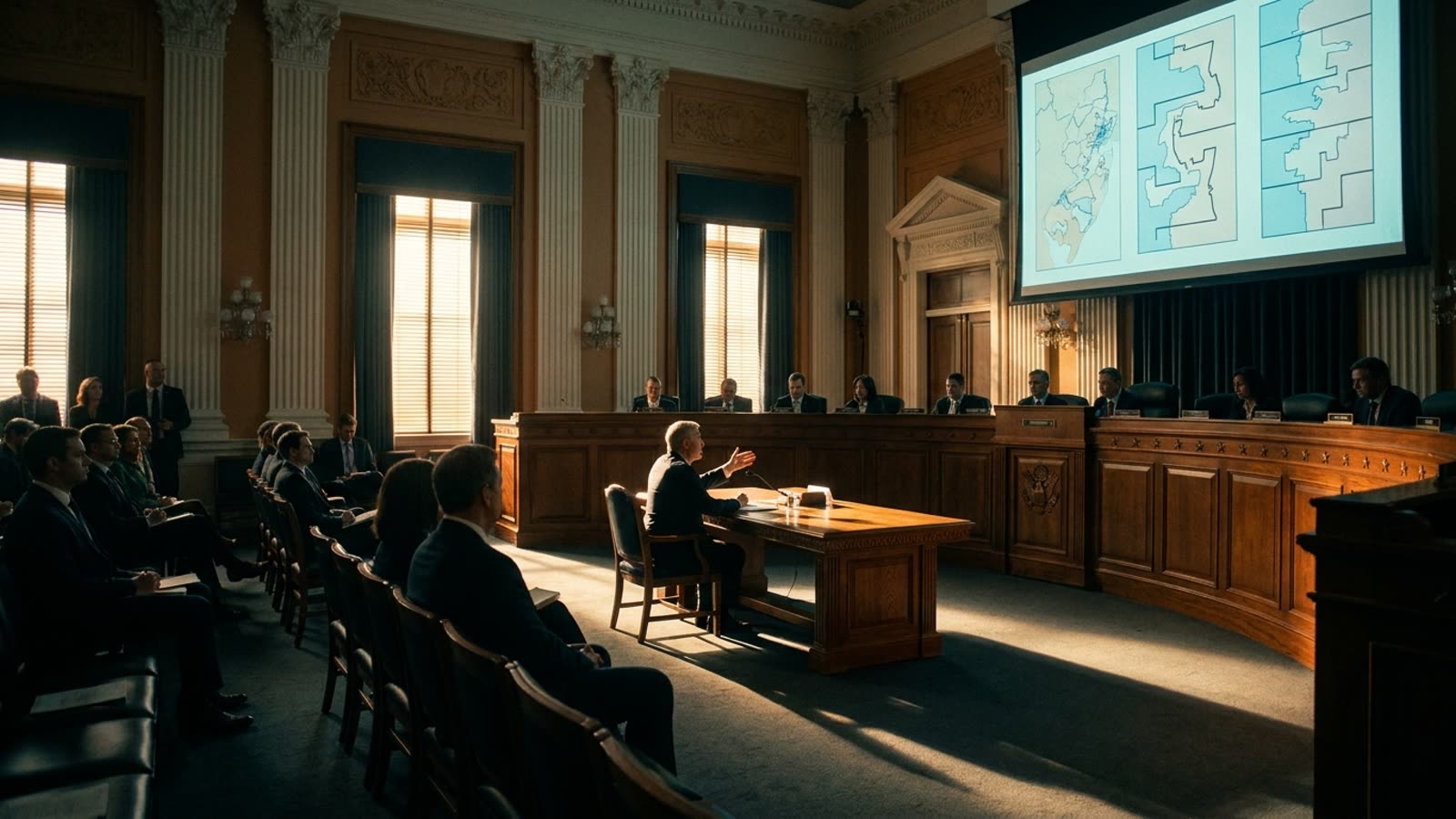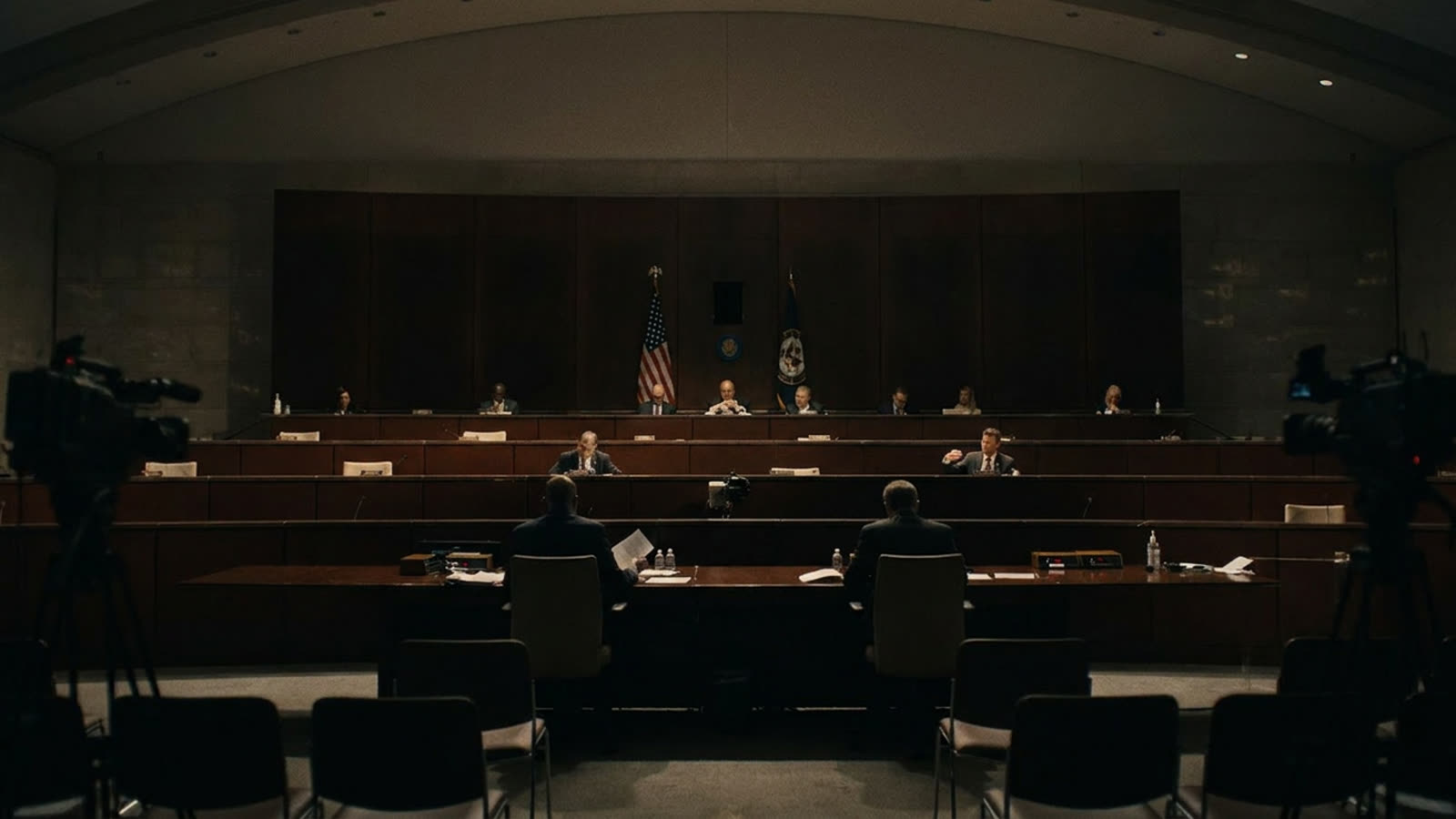
The congressional intelligence committees occupy a strange constitutional no-man's-land: they exist to ensure democratic accountability over agencies whose entire purpose is to keep secrets from everyone, including Congress. Understanding how these bodies actually function reveals much about the limits of oversight in a national security state.
The House Permanent Select Committee on Intelligence and the Senate Select Committee on Intelligence were both created in the mid-1970s, born from the Church Committee revelations about CIA assassination plots, domestic surveillance, and covert operations run without meaningful civilian control. The premise was straightforward: if the executive branch was going to conduct espionage, someone elected by the people should know about it.
The architecture of controlled disclosure
The committees operate inside Sensitive Compartmented Information Facilities, or SCIFs — windowless rooms swept for listening devices, where members cannot bring phones, staff without clearances, or, crucially, notes that leave the room. This physical architecture shapes everything. A senator who learns of a problematic program cannot easily consult outside experts, cannot discuss it with colleagues on other committees, and cannot, in most cases, inform the public.
The intelligence community briefs the committees under a framework called the "Gang of Eight" for the most sensitive operations — the majority and minority leaders of both chambers plus the chairs and ranking members of both intelligence committees. This inner circle receives notifications of covert actions that the broader committees may never see. The theory is that fewer people means fewer leaks; the practice is that meaningful deliberation becomes nearly impossible when only eight members can discuss a program and none can take notes home.
The asymmetry problem
Committee members face a fundamental information asymmetry. The CIA, NSA, and other agencies decide what to disclose, when to disclose it, and how to frame it. Members can ask questions, but they often don't know which questions to ask. They cannot subpoena documents the way other committees might because the executive branch routinely invokes classification to limit production. And even when members suspect they're being misled, proving it requires access to information that the agencies control.
This asymmetry has produced spectacular failures. The committees were briefed on enhanced interrogation techniques but later disputed how clearly the briefings conveyed what was actually happening. They were told about bulk metadata collection but many members said the briefings obscured the program's scope. In each case, the intelligence community could claim it had informed Congress; Congress could claim it had been deceived. Both were arguably correct.
The staff paradox
Unlike most congressional committees, where staff do the substantive work and members show up for hearings, intelligence committee staff operate under severe constraints. They need high-level clearances that take months to obtain. They work in the SCIF. They cannot build the kind of external networks that make other committee staff effective. The result is that intelligence committees are often understaffed relative to the complexity of their mandate, and institutional memory walks out the door when a staffer leaves for the private sector.
The committees also lack the enforcement tools available elsewhere in Congress. They can hold hearings, but classified hearings produce no public pressure. They can threaten to cut budgets, but intelligence spending is embedded in classified annexes that most members never see. They can refer matters to the Justice Department, but the executive branch controls prosecution decisions.
Our take
The intelligence committees represent Congress's best attempt to square an impossible circle: maintaining democratic legitimacy over inherently anti-democratic institutions. They are neither the rubber stamps their critics claim nor the robust overseers their defenders describe. They are something more interesting — a permanent negotiation between the state's need for secrecy and the public's right to know, conducted by people who can never fully explain what they're doing or why. The system works, barely, because everyone involved understands that the alternative is worse.