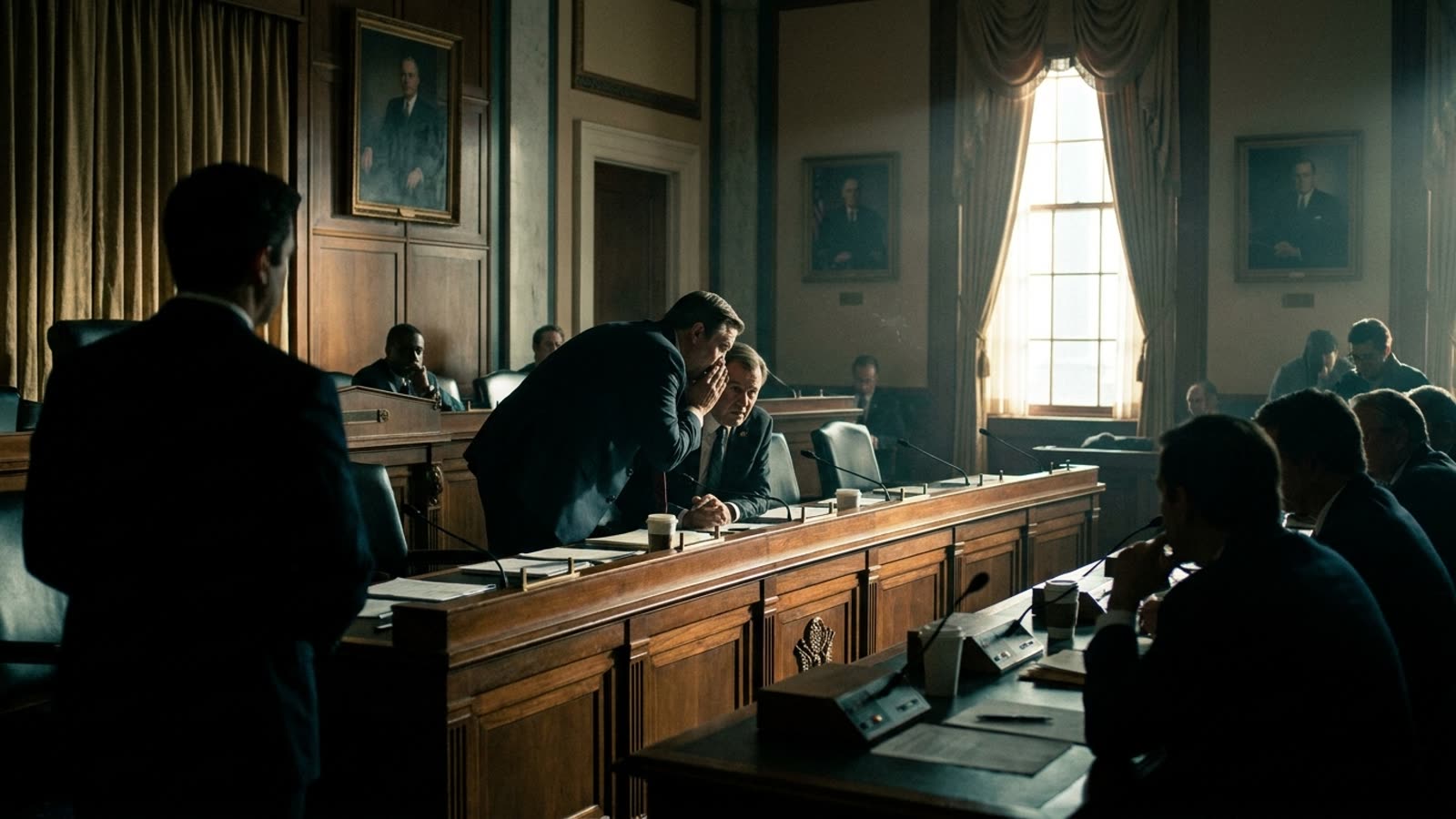
Most Americans can name their congressional representatives. Almost none can explain why those representatives vote the way they do. The answer lies not in ideology or constituent pressure but in a baroque system of internal party discipline that predates the United States itself — and that remains, despite centuries of reform, the actual machinery of legislative power.
The party whip, a title borrowed from British fox hunting's "whipper-in" who kept hounds from straying, exists to ensure members vote with their party. The role sounds simple. In practice, it requires a politician to function simultaneously as therapist, accountant, and enforcer.
The count before the count
A whip's primary job is intelligence gathering. Before any significant vote, whip teams conduct exhaustive surveys of their caucus, categorizing members as "yes," "no," "leaning," or "undecided." This count — never made public — determines whether leadership brings a bill to the floor at all. A whip who miscounts, who promises votes that evaporate, loses the only currency that matters in the Capitol: reliability.
The process resembles less a democratic deliberation than a futures market. Whips trade in commitments, and commitments require collateral. A wavering member might need cover for a difficult vote back home, a promise of leadership support in a primary, a favorable committee assignment, or simply the assurance that their concerns will be addressed in conference. The whip's office maintains mental ledgers of who owes what to whom, debts that can be called in across years.
Carrots, sticks, and the limits of coercion
The tools available to whips have narrowed considerably since the era when party bosses controlled nominations and patronage jobs. Modern whips cannot destroy a member's career with a phone call. They can, however, make life considerably more pleasant or miserable. Campaign committee funds flow more generously to reliable votes. Desirable travel delegations fill with loyalists. The small indignities of congressional life — office assignments, parking, recognition during floor debate — all pass through leadership's hands.
Outright punishment remains rare and risky. Stripping a member of committee assignments, as has happened to notable dissenters in recent years, often backfires by creating martyrs and freeing the punished member from any remaining incentive to cooperate. The most effective whips understand that coercion is a last resort. Persuasion, properly applied, leaves no resentment.
Why legislation actually fails
The whip system explains a persistent mystery of American politics: why bills with apparent majority support never receive votes. Leadership will not schedule legislation unless whips guarantee the outcome. A bill that might pass 218-217 is too dangerous — it exposes members to difficult votes without the cover of a comfortable margin, and a surprise defection would humiliate the speaker. Better to let the bill languish, blame the other party or chamber, and preserve the appearance of control.
This dynamic privileges the status quo. Changing law requires not just a majority but a disciplined, countable majority willing to take political risk in formation. The whip system is fundamentally conservative in the procedural sense: it makes action harder than inaction.
Our take
Americans who wonder why Congress seems paralyzed despite clear public preferences on various issues are asking the wrong question. The institution is not broken; it is functioning precisely as its internal incentive structures dictate. The whip system ensures that legislation passes only when leadership wants it to pass and can guarantee the outcome in advance. This is not democracy's failure but its most honest self-portrait: a negotiation among professional politicians whose primary constituency is each other.