When the cardinals of the Roman Catholic Church gather to elect a new pope, they enter a system deliberately engineered to be impervious to the political pressures that govern every other consequential election on earth. No campaigns, no debates, no exit polls, no concession speeches. The conclave is less an election than a spiritual hostage situation, and that is entirely by design.
The process has remained remarkably stable since the thirteenth century, when Pope Gregory X, frustrated by a papal vacancy that dragged on for nearly three years, instituted rules so punishing that the cardinals would have no choice but to reach consensus. The electors would be locked in—the Latin cum clave, "with a key"—and their rations progressively reduced until they produced a pope. The threat of starvation proved motivating.
The mechanics of divine selection
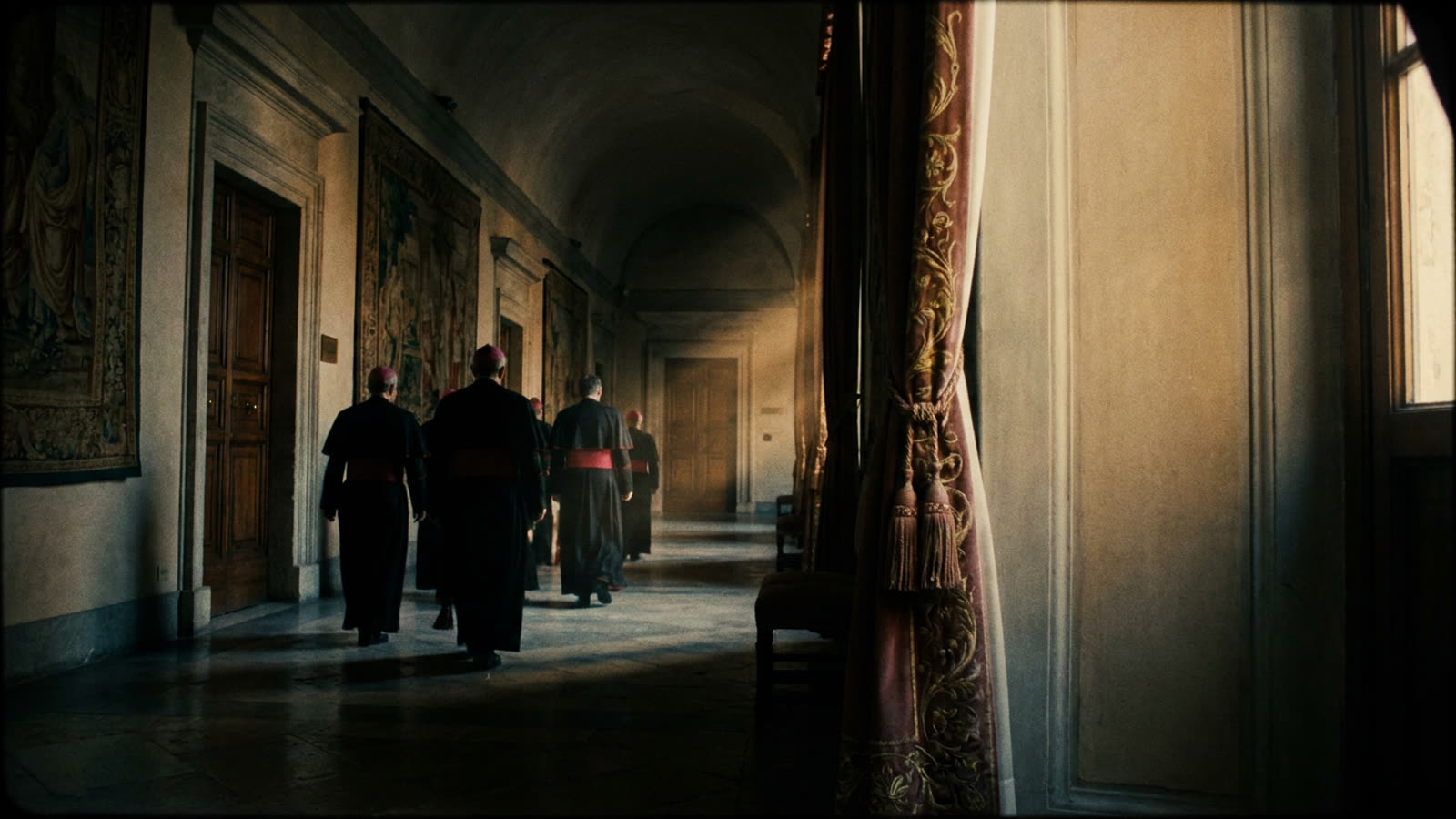
Modern conclaves have dispensed with the enforced fasting but retained the essential architecture of isolation. Upon a pope's death or resignation, cardinals under the age of eighty gather in Vatican City, surrender their mobile phones, and are sequestered in the Sistine Chapel and the Domus Sanctae Marthae guesthouse. Electronic jamming devices block signals. The cardinals swear oaths of secrecy punishable by automatic excommunication.
Voting proceeds in rounds. Each cardinal writes a name on a paper ballot, folds it twice, and processes to the altar to deposit it in a chalice. A two-thirds supermajority is required. If no candidate reaches the threshold, the ballots are burned with chemical additives to produce black smoke from the chapel chimney—the famous fumata nera that signals to the crowds in St. Peter's Square that deliberations continue. White smoke, fumata bianca, announces success.
The system permits no formal nomination, no seconding of candidates, no recorded vote totals. Cardinals may vote for any baptized Catholic male, though in practice they choose from among themselves. There are no term limits, no mandatory retirement, no impeachment procedures. A pope serves until death or the extraordinarily rare voluntary resignation.
Why isolation produces consensus
The conclave's brutal simplicity serves a theological purpose: it forces the cardinals to behave as though the Holy Spirit, not factional politics, is guiding their choice. By eliminating outside communication, the Church prevents lobbying by governments, donors, or media. By requiring a supermajority, it ensures that no narrow coalition can impose its candidate. By extending the process indefinitely, it exhausts ideological resistance.
The result is that conclaves tend to produce compromise figures—men acceptable to multiple factions precisely because they are not the first choice of any. The system selects for blandness and institutional loyalty, which explains why revolutionary popes are rare and why the Church changes direction slowly, if at all. The conclave is not designed to find the best leader; it is designed to find one the institution can live with.
Our take
The conclave endures because it solves a problem every organization faces: how to transfer power without tearing itself apart. By making the process mysterious, uncomfortable, and immune to external pressure, the Church has survived schisms, scandals, and the rise and fall of empires. The Vatican's medieval theater is not an anachronism—it is a case study in how procedural design shapes outcomes, and why the most durable institutions are often those that make leadership transitions deliberately difficult.