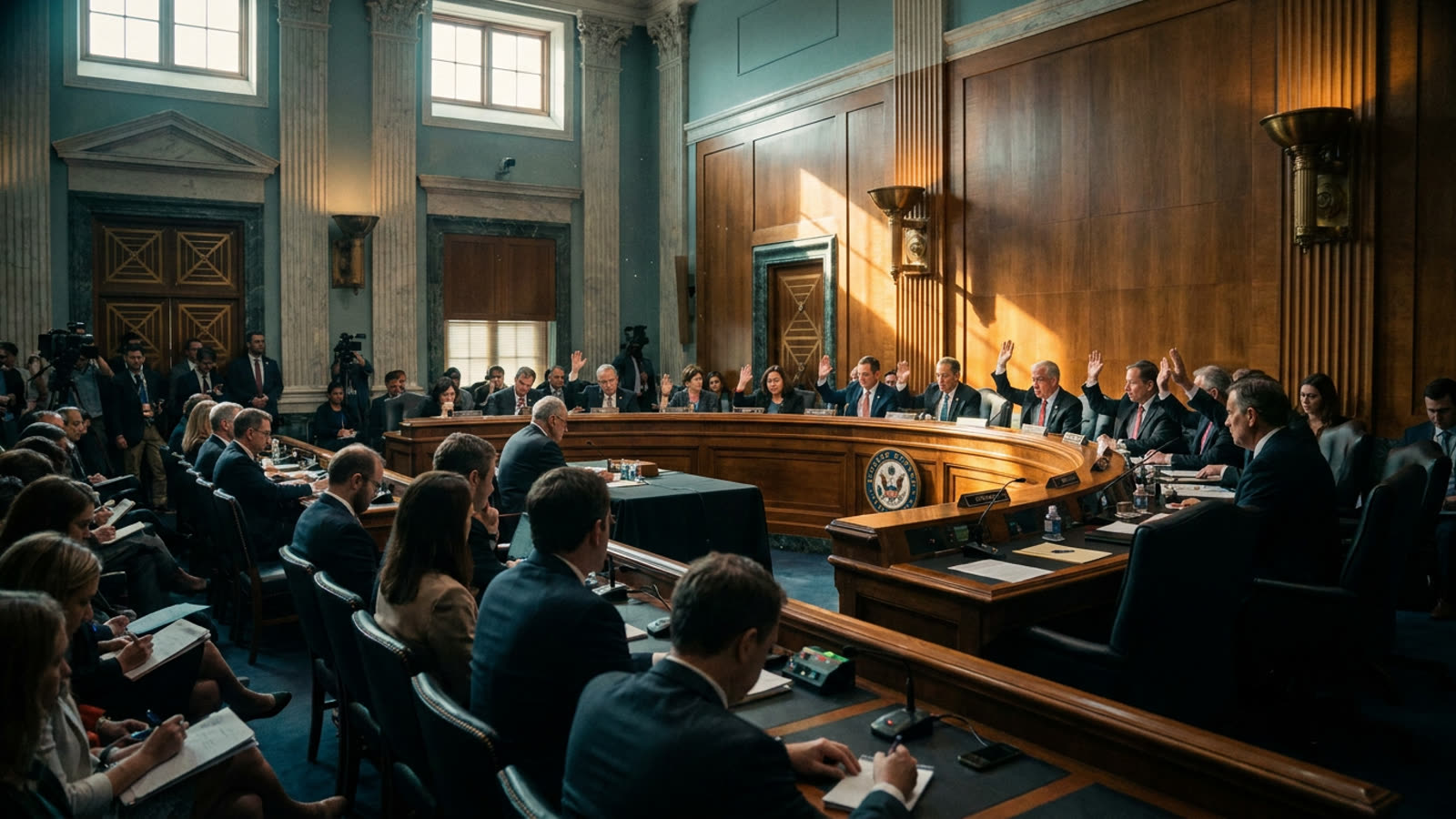
Every parliamentary vote that appears on the evening news as a foregone conclusion was, days or weeks earlier, anything but. The margin of victory in a legislature rarely reflects the genuine distribution of opinion among its members. It reflects the success or failure of an ancient and often brutal practice: whipping.
The term derives from the "whipper-in" of English foxhunts, the rider tasked with keeping the hounds from straying. In politics, the metaphor is apt. Party whips exist to ensure that individual legislators—each with their own constituents, ambitions, and convictions—vote as a bloc when leadership demands it. The tools at their disposal range from gentle persuasion to career-ending threats, and the skill with which they deploy them determines whether governments stand or fall.
The currency of compliance
Whips operate in an economy of favors. A backbencher who dreams of a committee chairmanship, a diplomatic posting, or simply a better office knows that loyalty is the price of advancement. In Westminster systems, the whip's office maintains detailed intelligence on every member's vulnerabilities and aspirations. A wavering MP might receive a quiet reminder that their preferred infrastructure project requires ministerial approval. Another might learn that their past indiscretions have not been forgotten.
The American system, with its weaker parties and stronger committee structures, requires different tactics. Congressional whips cannot promise cabinet positions, but they can steer campaign funds, facilitate or obstruct legislative priorities, and determine who gets face time with leadership. The transactional nature is more explicit: votes are often traded like commodities, with members extracting specific concessions in exchange for support on unrelated bills.
The theatre of uncertainty
Effective whipping requires strategic ambiguity. Leaders often prefer not to know the exact count until necessary, because uncertainty itself is a tool. A member who believes their vote might be decisive is more susceptible to pressure than one who knows the outcome is already determined. Whips have been known to deliberately obscure the true state of play, allowing waverers to imagine they hold more leverage than they do.
The inverse is also true. When a vote is genuinely close, whips may signal false confidence to prevent a cascade of defections. Legislators are herd animals; the perception that a bill will pass can become self-fulfilling, as members calculate that opposition is futile and pivot to extracting concessions instead.
When the whip fails
The most dramatic moments in parliamentary history occur when discipline collapses. The Brexit votes in the British House of Commons between 2017 and 2019 saw the whipping operation fail repeatedly, with dozens of Conservative MPs defying their leadership on the defining issue of the era. The result was governmental paralysis and eventually the fall of two prime ministers. In such moments, the limits of the whip's power become visible: when members believe their political survival depends on defiance, no favor or threat can compel obedience.
Our take
Democratic theory imagines legislators as independent minds deliberating on the merits. The reality is closer to organized coercion dressed in procedural niceties. This is not necessarily a failure—without party discipline, coherent governance would be nearly impossible, and voters who cast ballots for parties rather than individuals deserve some assurance that their chosen platform will be pursued. But the gap between the civics-textbook version and the actual machinery of consent deserves more honest acknowledgment. The whip's office is where democracy's sausage is made, and the recipe is rarely appetizing.