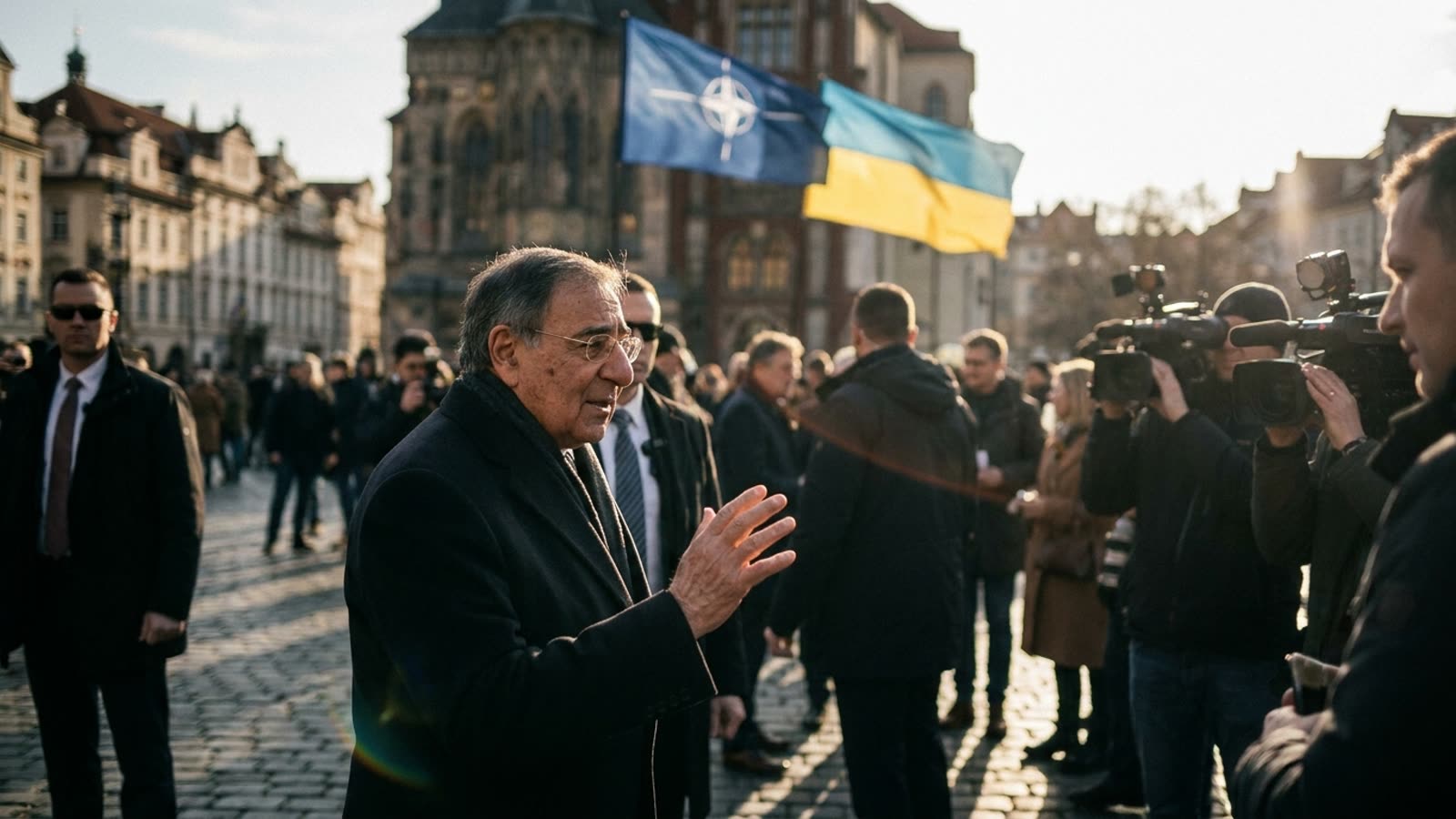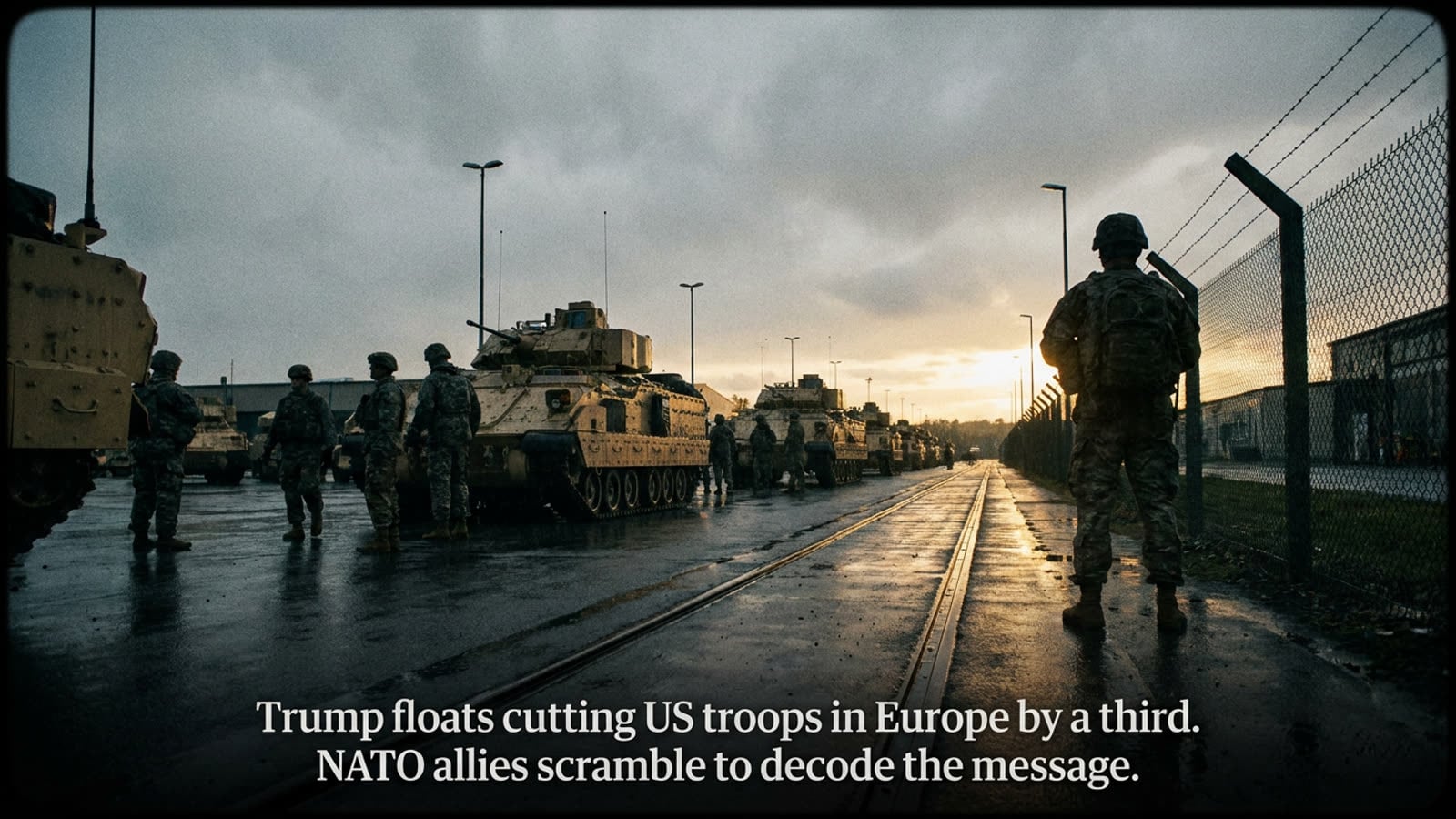
President Trump has privately discussed reducing US military forces in Europe by approximately one-third, a move that would fundamentally reshape America's security commitment to the continent and send shockwaves through NATO just as he prepares to attend the alliance's summit.
The proposal, which sources describe as part of Trump's ongoing effort to pressure European allies on defense spending, would mark the most significant drawdown of American forces from Europe since the end of the Cold War. Currently, the United States maintains approximately 100,000 troops across European bases, a presence that has anchored transatlantic security for more than seven decades.
The art of the security deal
Trump's floating of troop reductions follows a familiar pattern from his first term: using America's security guarantees as leverage to extract concessions from allies. The timing is particularly pointed, coming just before NATO leaders gather to discuss the alliance's response to ongoing conflicts in Ukraine and rising tensions in the Middle East.
European capitals have learned to read these trial balloons as opening negotiating positions rather than fixed policy. During his previous presidency, Trump repeatedly threatened to withdraw from NATO entirely before settling for increased defense spending commitments from member states. This time, the stakes are different — with active conflicts on Europe's borders, any reduction in US presence would have immediate operational consequences.
Beyond burden-sharing
The proposal reveals a deeper shift in how the Trump administration views America's global military footprint. Rather than seeing forward-deployed forces as strategic assets that project power and deter adversaries, Trump frames them primarily as costly subsidies to wealthy allies. This transactional lens transforms every base and brigade into a potential bargaining chip.
Pentagon officials, speaking on condition of anonymity, express concern that such reductions would embolden adversaries and undermine deterrence precisely when European security faces its gravest challenges in decades. They note that US forces in Europe serve American interests directly — from power projection into the Middle East and Africa to intelligence gathering and special operations staging.
Our take
Trump's troop reduction trial balloon is less about military strategy than political theater. He understands that threatening to weaken NATO gets European attention like nothing else, creating leverage he can trade for defense spending increases, trade concessions, or support for other priorities. The danger lies in adversaries taking these negotiating tactics at face value, potentially miscalculating Western resolve. In the high-stakes game of alliance management, some bluffs are too risky to call.