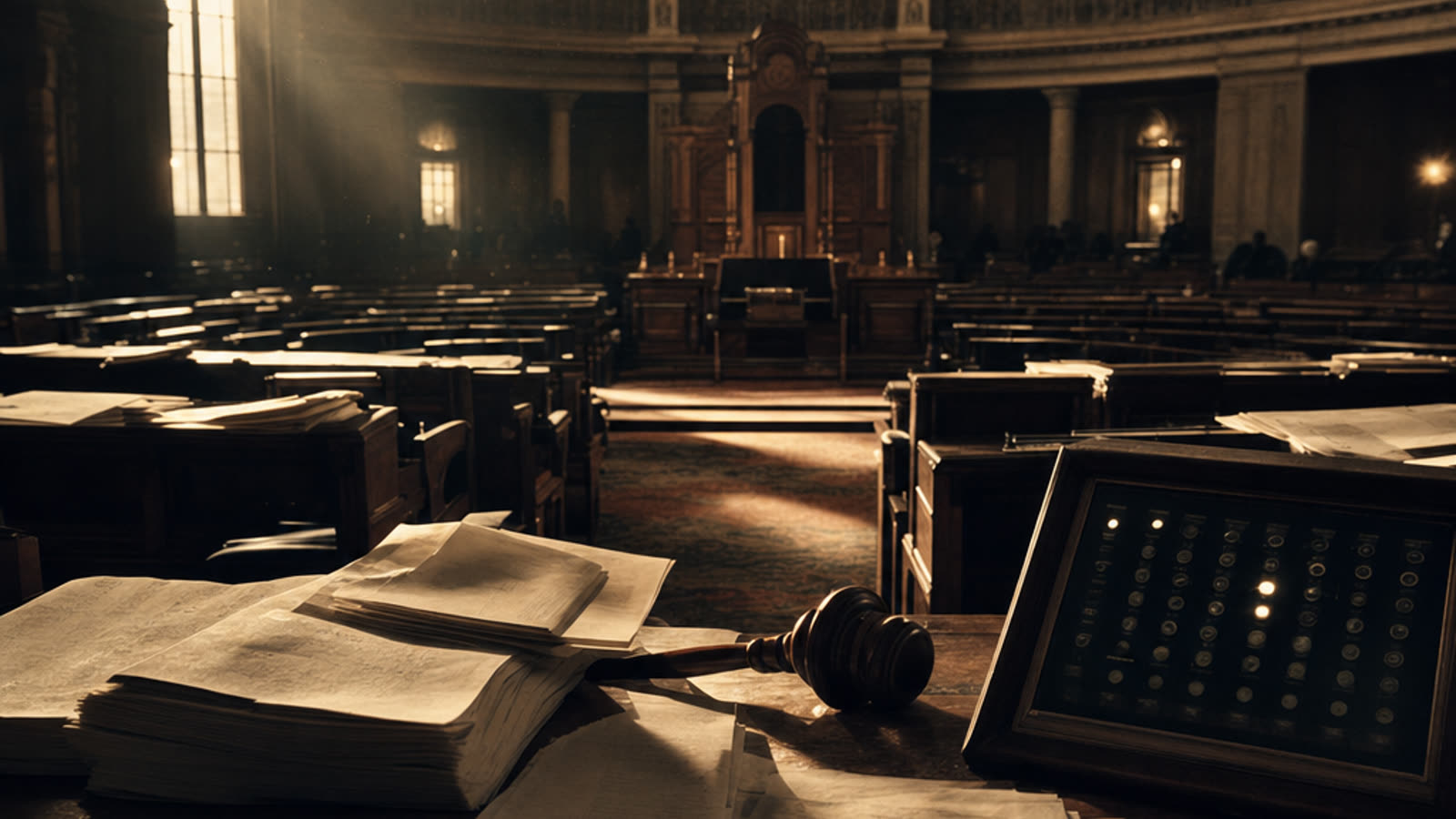
The principle seems almost absurd on its face: the people who write the laws cannot be prosecuted for what they say while doing so. Yet parliamentary immunity, in one form or another, exists in virtually every functioning democracy on earth. It is older than modern constitutions, more durable than most political parties, and considerably more consequential than its dry legal name suggests.
The logic is straightforward enough. Legislators must be free to speak without fear of royal displeasure, executive retaliation, or frivolous lawsuits from wealthy interests. A member of parliament who cannot criticize the government without risking arrest is not really a member of parliament at all. The English Bill of Rights of 1689 established that "proceedings in Parliament ought not to be impeached or questioned in any court or place out of Parliament," and some version of this principle has traveled to nearly every legislature since.
The Two Flavors of Protection
Parliamentary immunity generally comes in two distinct forms, though countries blend them differently. The first is "non-accountability" or "inviolability of speech" — absolute protection for anything said in legislative proceedings. A senator can accuse a sitting president of murder from the chamber floor and face no defamation suit. This is the less controversial variety, accepted even in systems otherwise hostile to special privileges.
The second is broader personal immunity from arrest or prosecution, sometimes requiring the legislature's permission before a member can be charged with any crime. France's Constitution requires the National Assembly's consent to detain a deputy except in cases of flagrant delict. Italy's system historically made prosecuting legislators so cumbersome that parliament became a refuge for the legally embattled. Brazil's Supreme Court has spent decades in a complex dance with Congress over the boundaries of this protection.
When the Shield Becomes a Sword
The trouble, of course, is that immunity designed to protect democratic debate can equally protect corruption, incitement, and outright criminality. The mechanism that prevents a prime minister from jailing opposition critics also prevents prosecutors from pursuing legislators credibly accused of bribery. Some countries have responded by narrowing immunity to speech acts only. Others maintain broader protections but allow the legislature to "lift" immunity upon request — a process that inevitably becomes politicized, with ruling coalitions protecting their own and targeting opponents.
The European Parliament offers a particularly instructive case. Members enjoy immunity under the protocol on privileges, but the Parliament can waive it upon request from national authorities. In practice, these votes become referenda on the political standing of the accused, with legal merits often secondary to factional loyalty.
Our take
Parliamentary immunity is one of those constitutional features that reveals the fundamental tension in democratic design: institutions meant to check power require their own forms of power, which then require their own checks. The solution is not to abolish the privilege — a legislature vulnerable to executive prosecution is no legislature at all — but to confine it rigorously to its original purpose. Speech in the chamber should be absolutely protected. Everything else should face the same justice as everyone else. The current muddle, in which immunity functions as a lottery ticket for the politically connected, serves neither democracy nor the rule of law.