When a government announces sanctions against a foreign adversary, the headlines write themselves: assets frozen, trade blocked, regime isolated. The reality is considerably messier. Sanctions are not a wall but a sieve, and understanding how they actually operate reveals why this favored tool of modern diplomacy produces such inconsistent results.
The fundamental architecture is deceptively simple. A sanctioning authority—typically a national treasury or a supranational body—publishes a list of prohibited entities. Banks, corporations, and individuals within that authority's jurisdiction must then refuse transactions involving those entities or face severe penalties. The United States wields outsized power here because the dollar dominates global trade; any transaction touching the American financial system falls under Washington's purview, which means most significant international commerce.
The compliance cascade
The real enforcement mechanism is not government agents but private-sector fear. Major banks employ thousands of compliance officers whose sole purpose is scanning transactions for sanctioned names, addresses, and suspicious patterns. These institutions over-comply deliberately, rejecting ambiguous transactions rather than risk billion-dollar fines. This creates a cascading effect: a mid-sized European manufacturer might refuse a legitimate order from a non-sanctioned company simply because that company once did business with someone who once did business with a sanctioned entity. The chilling effect extends far beyond the official target list.
Yet this same dynamic creates the sanctions' primary weakness. Compliance depends on visibility into transactions, and determined actors have countless methods of obscuring their activities. Shell companies proliferate across jurisdictions with weak enforcement. Cryptocurrencies offer partial anonymity. Barter arrangements bypass the banking system entirely. Russia's continued ability to sell oil despite Western restrictions demonstrates how alternative payment channels, willing intermediaries, and simple relabeling can blunt even comprehensive sanctions regimes.
The humanitarian paradox
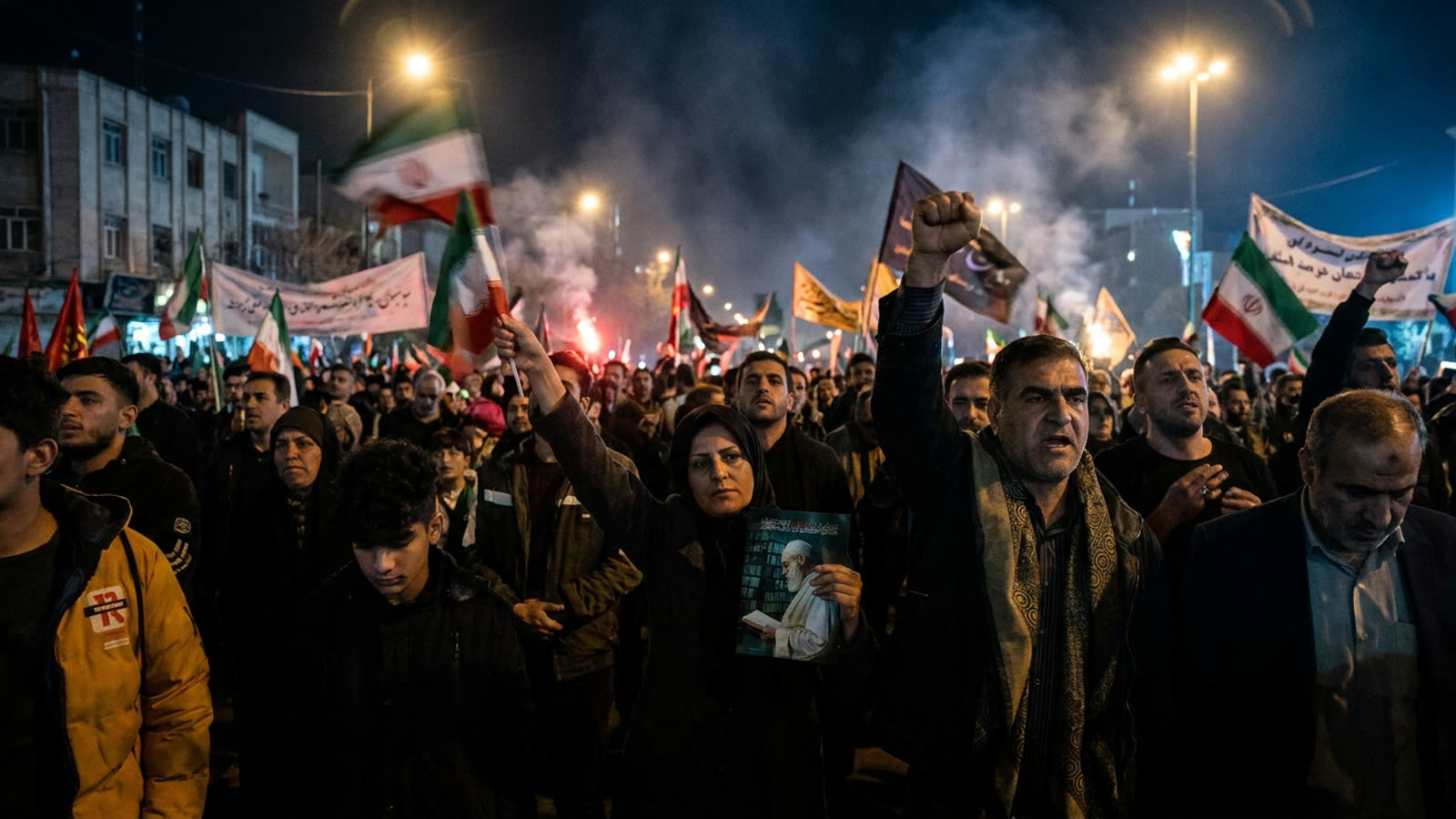
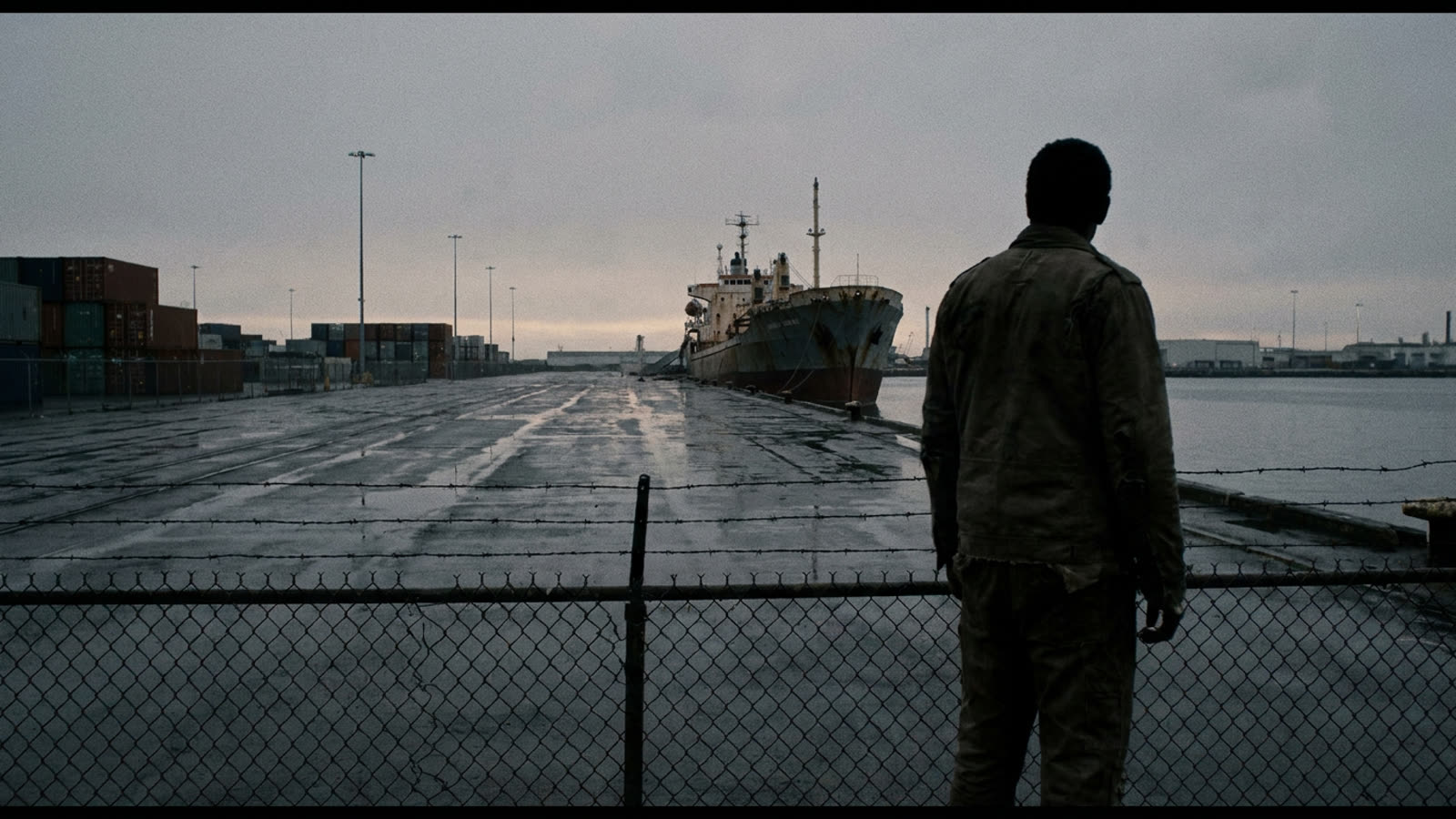
Sanctions architects invariably include exemptions for food, medicine, and humanitarian goods. In practice, these carve-outs often fail. Banks, terrified of inadvertent violations, refuse to process even clearly permitted transactions. Shipping companies decline to carry exempt cargo to sanctioned destinations. The result is that ordinary citizens bear the heaviest burden while regime elites access black markets and friendly neighbors. Iran's population has suffered chronic medicine shortages for years while the Islamic Revolutionary Guard Corps continues funding regional proxies.
This creates a moral and strategic problem. Sanctions are sold as precise instruments targeting bad actors, but their effects are diffuse and often regressive. The theory that economic pain will turn populations against their governments has rarely been validated; more commonly, it allows regimes to blame foreign enemies for domestic misery.
Our take
Sanctions persist as the preferred response to international crises because they occupy the comfortable space between doing nothing and deploying military force. They allow governments to demonstrate resolve, satisfy domestic audiences demanding action, and impose real costs—all without risking soldiers' lives. But this convenience has bred overuse. When sanctions become routine, their signal degrades; when they fail to achieve stated objectives, as they usually do, the sanctioning power faces an awkward choice between escalation and quiet acceptance of the status quo. The tool works best when it is credible, targeted, and part of a broader diplomatic strategy. Used as a substitute for strategy, it is merely expensive theater.