The guns fell silent not because anyone won, but because everyone realized they might lose. After fifteen hours of direct strikes between Israel and Iran—the most intense bilateral exchange in the long shadow war between the two powers—both sides announced a halt to hostilities while warning they stood ready to resume at any moment. The pause is less a ceasefire than a collective exhale, and it reveals the uncomfortable truth that has defined Middle Eastern geopolitics for a generation: no single actor, not even the United States, can impose its will on this region.
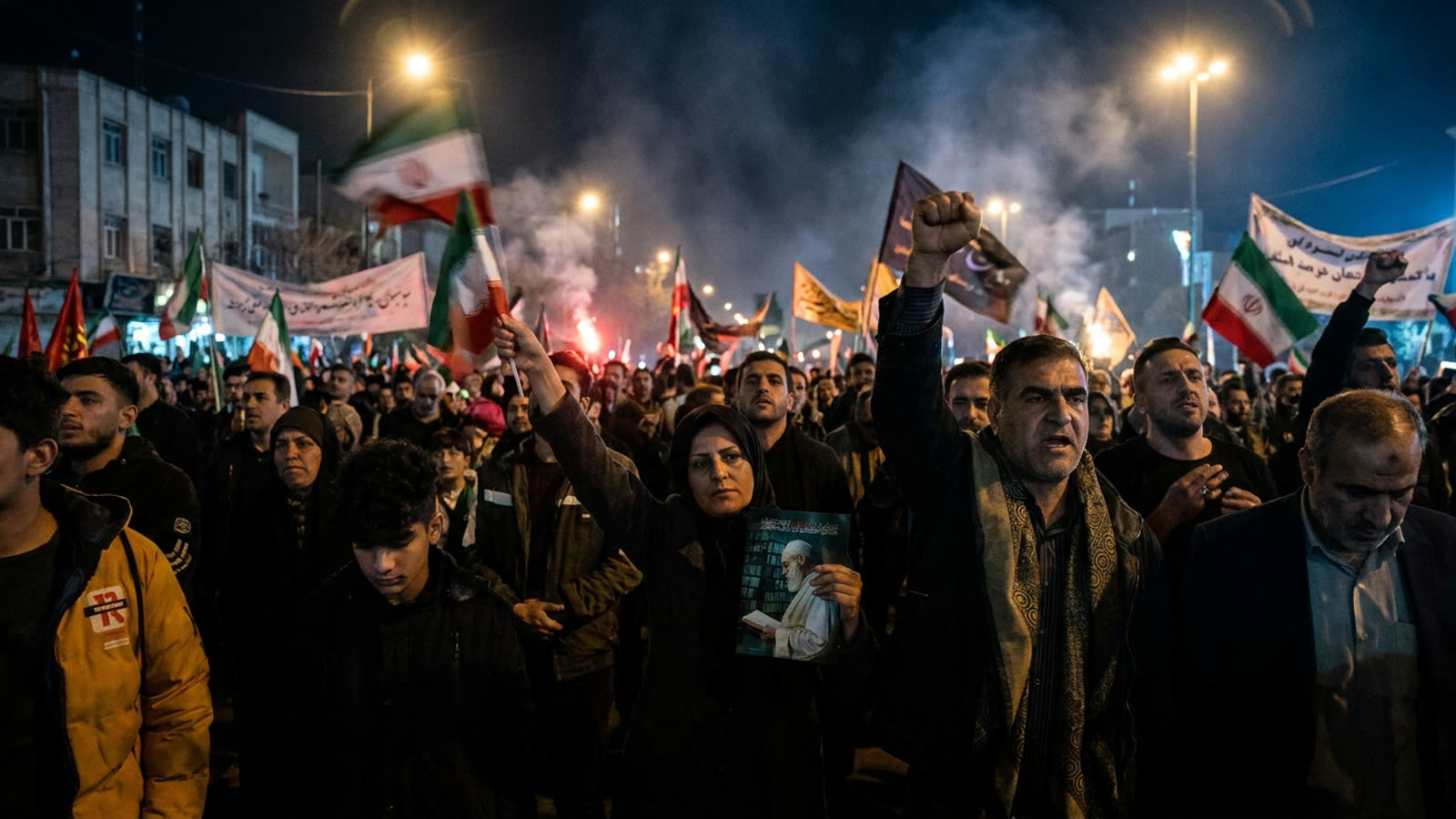
President Trump moved quickly to claim credit, telling reporters that his administration had made "tremendous progress" toward bringing Iran to the negotiating table over its nuclear program. Israeli officials offered a different narrative, suggesting their strikes had achieved their military objectives and that the pause was tactical rather than diplomatic. Tehran, for its part, declared it had demonstrated its capacity to strike Israeli territory directly—a threshold crossed—and would not hesitate to do so again.
The bind Israel cannot escape
The fifteen-hour engagement laid bare the strategic trap Israel has constructed for itself over decades of regional dominance. Its military remains the most capable in the Middle East, its intelligence services the most penetrating, its technological edge formidable. Yet none of this translates into the ability to resolve the fundamental challenge Iran poses. Strikes can degrade capabilities; they cannot eliminate intent. Each escalation risks drawing in Hezbollah, destabilizing Lebanon further, and potentially triggering a multi-front war that even Israel's vaunted military would struggle to sustain.
Lebanese President Joseph Aoun's appeal to Israel to pursue dialogue rather than war underscores how regional actors view the current moment—not as an opportunity for resolution but as a powder keg awaiting a spark. The brief war demonstrated Israel can hit Iran hard. It did not demonstrate Israel can hit Iran decisively.
Trump's persistent Middle East problem
For an American president who campaigned on ending forever wars and bringing adversaries to heel through sheer force of personality and economic pressure, the Iran file remains stubbornly resistant to the Trump treatment. His maximum pressure campaign during his first term produced neither regime change nor a comprehensive nuclear deal. His current approach—a mix of behind-the-scenes diplomacy and public cheerleading for Israeli strikes—has produced this: a temporary halt to hostilities that resolves nothing.
The president's claim that he never promised not to start new wars, contradicting years of campaign rhetoric, suggests an administration recalibrating its messaging as events outpace its strategy. Trump wants to be the dealmaker who brings Iran in from the cold. Iran wants sanctions relief without surrendering its regional proxy network or nuclear ambitions. Israel wants an end to the Iranian threat without the compromises a genuine diplomatic settlement would require. These positions remain irreconcilable.
Our take
The most honest assessment of this fifteen-hour war is that it changed nothing fundamental while demonstrating that the status quo is unsustainable. Israel proved it can strike Iran directly; Iran proved it can strike back. Trump proved he cannot control either party. The region proved it remains one miscalculation away from a conflagration that would dwarf anything seen since the 2003 Iraq invasion. Everyone has now seen everyone else's cards. The problem is that no one has a winning hand, and the game continues whether they want it to or not.