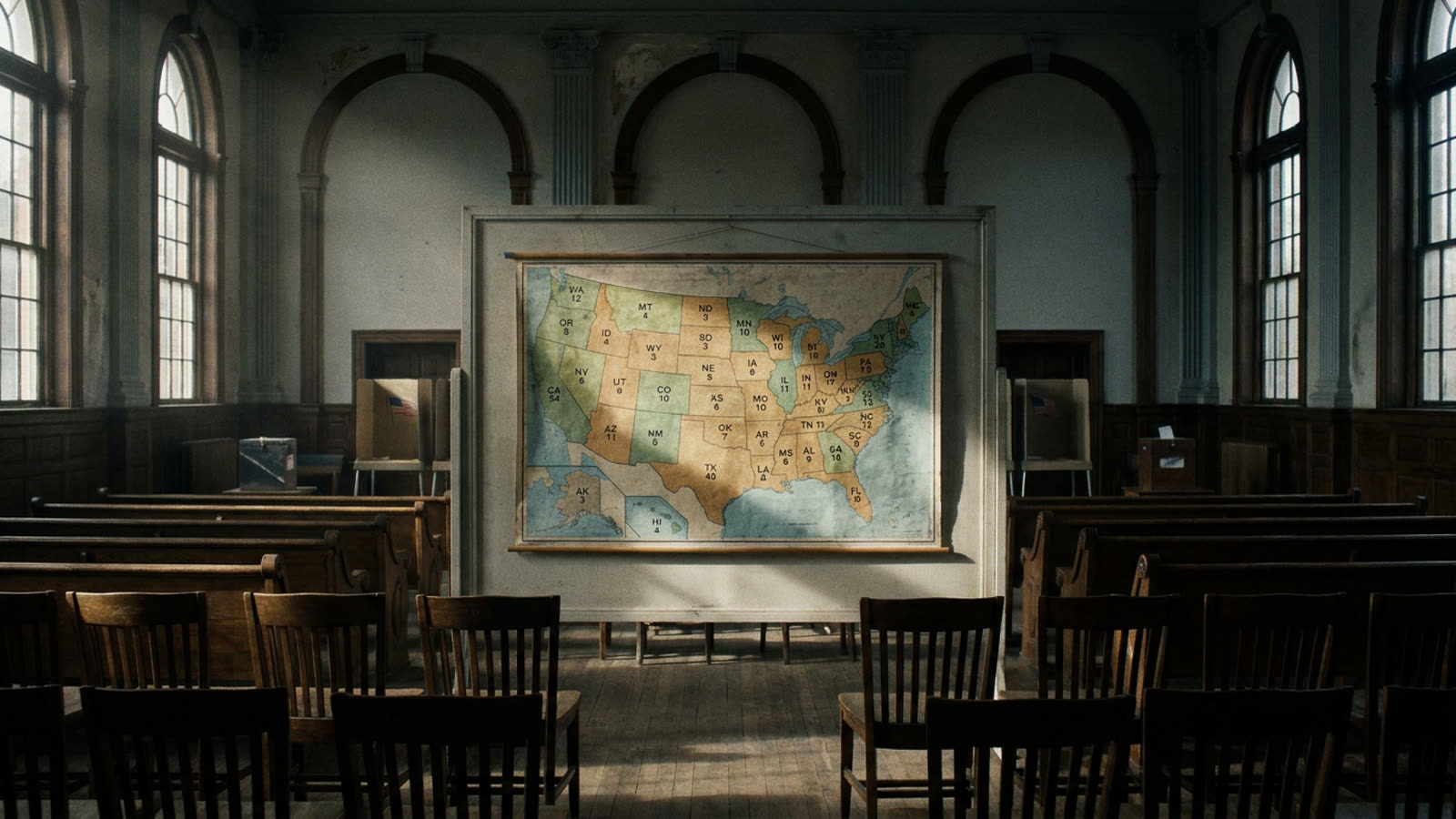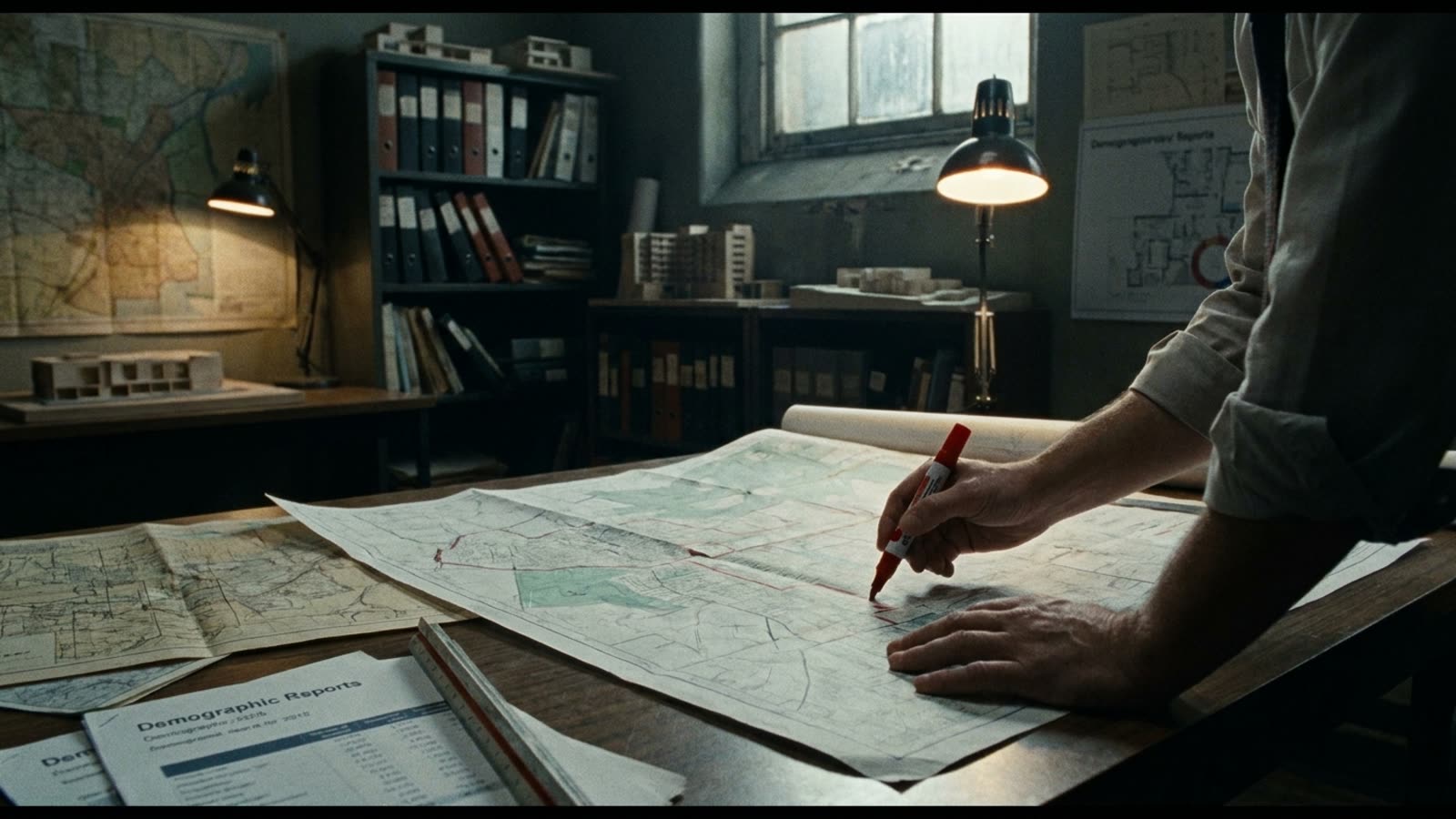
The most consequential political act in American democracy happens not on Election Day but in the quiet months afterward, when state legislators gather to redraw the invisible lines that determine who votes where. This process, redistricting, is constitutionally mandated after each decennial census. What the Constitution does not mandate is fairness — and into that silence has grown gerrymandering, the practice of manipulating district boundaries for partisan advantage.
The term itself dates to 1812, when Massachusetts Governor Elbridge Gerry signed a redistricting plan so contorted that one district resembled a salamander. A newspaper cartoonist dubbed it a "Gerry-mander," and the portmanteau stuck. But the practice predates the name. Patrick Henry reportedly drew Virginia's congressional districts in 1788 specifically to prevent James Madison from winning a seat. Gerrymandering is not a bug in American democracy; it is a feature as old as the republic itself.
The Two Techniques
Modern gerrymandering relies on two complementary strategies: packing and cracking. Packing concentrates opposition voters into as few districts as possible, ensuring they win those seats by overwhelming margins while wasting their numerical advantage elsewhere. Cracking disperses opposition voters across multiple districts, diluting their influence so they form a perpetual minority in each.
The sophistication of these techniques has grown exponentially with computing power. Where nineteenth-century gerrymanderers worked with crude population estimates and hand-drawn maps, today's practitioners deploy granular voter data, precinct-level election histories, and algorithms that can generate thousands of potential maps in minutes. The result is districts that snake through neighborhoods, split apartment buildings, and occasionally connect distant communities by nothing more than a highway median.
Why Courts Have Struggled
The Supreme Court has repeatedly grappled with gerrymandering and repeatedly declined to establish a clear standard for when partisan line-drawing becomes unconstitutional. Racial gerrymandering — drawing districts to dilute minority voting power — violates the Voting Rights Act and the Equal Protection Clause. But purely partisan gerrymandering occupies murkier legal terrain.
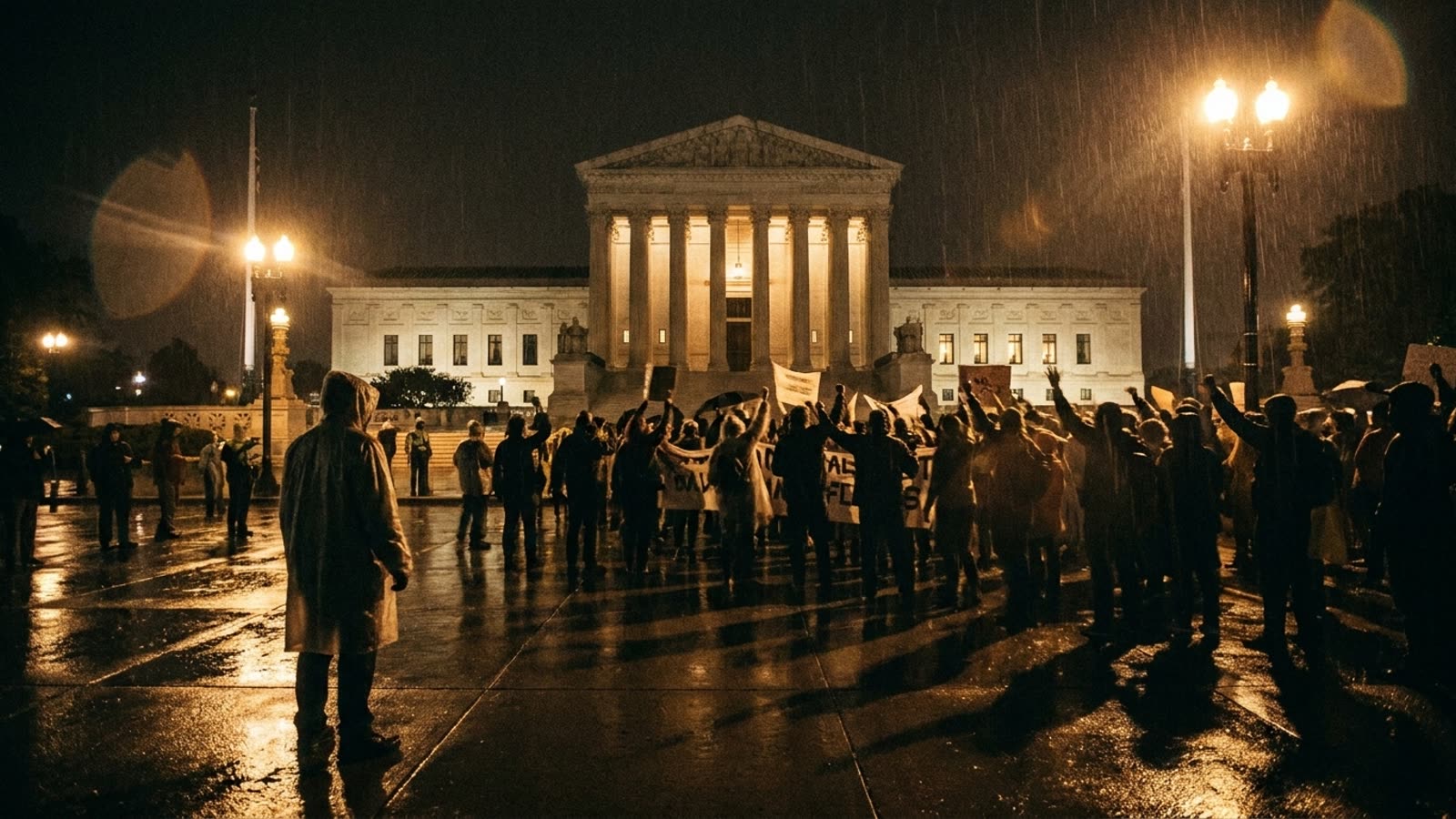
In a landmark 2019 decision, the Court ruled that federal courts lack jurisdiction over partisan gerrymandering claims, calling them "political questions" beyond judicial reach. The decision did not declare the practice constitutional; it declared it non-justiciable. This distinction matters: it pushed the fight to state courts, state constitutions, and the political process itself. Several states have since adopted independent redistricting commissions, though their independence varies considerably in practice.
The Structural Consequences
Gerrymandering's effects extend beyond individual elections. When districts are drawn to be safely partisan, the real contest moves from the general election to the primary, where more ideologically extreme candidates often prevail. This dynamic contributes to legislative polarization: representatives elected from safe seats face little incentive to compromise and considerable pressure to satisfy their party's base.
The practice also distorts representation itself. A party can win a minority of statewide votes yet control a majority of legislative seats — a phenomenon documented in multiple states across both parties. This gap between popular vote and seat share undermines the basic democratic premise that election outcomes should reflect voter preferences.
Our take
Gerrymandering persists because those with the power to end it are precisely those who benefit from it. This is not cynicism but structural reality. The practice will continue until voters in enough states demand independent redistricting through ballot initiatives, or until a new generation of state court decisions imposes constraints that federal courts have declined to enforce. Until then, the most important election in American politics remains the one most Americans never think about: the election that determines who draws the maps.