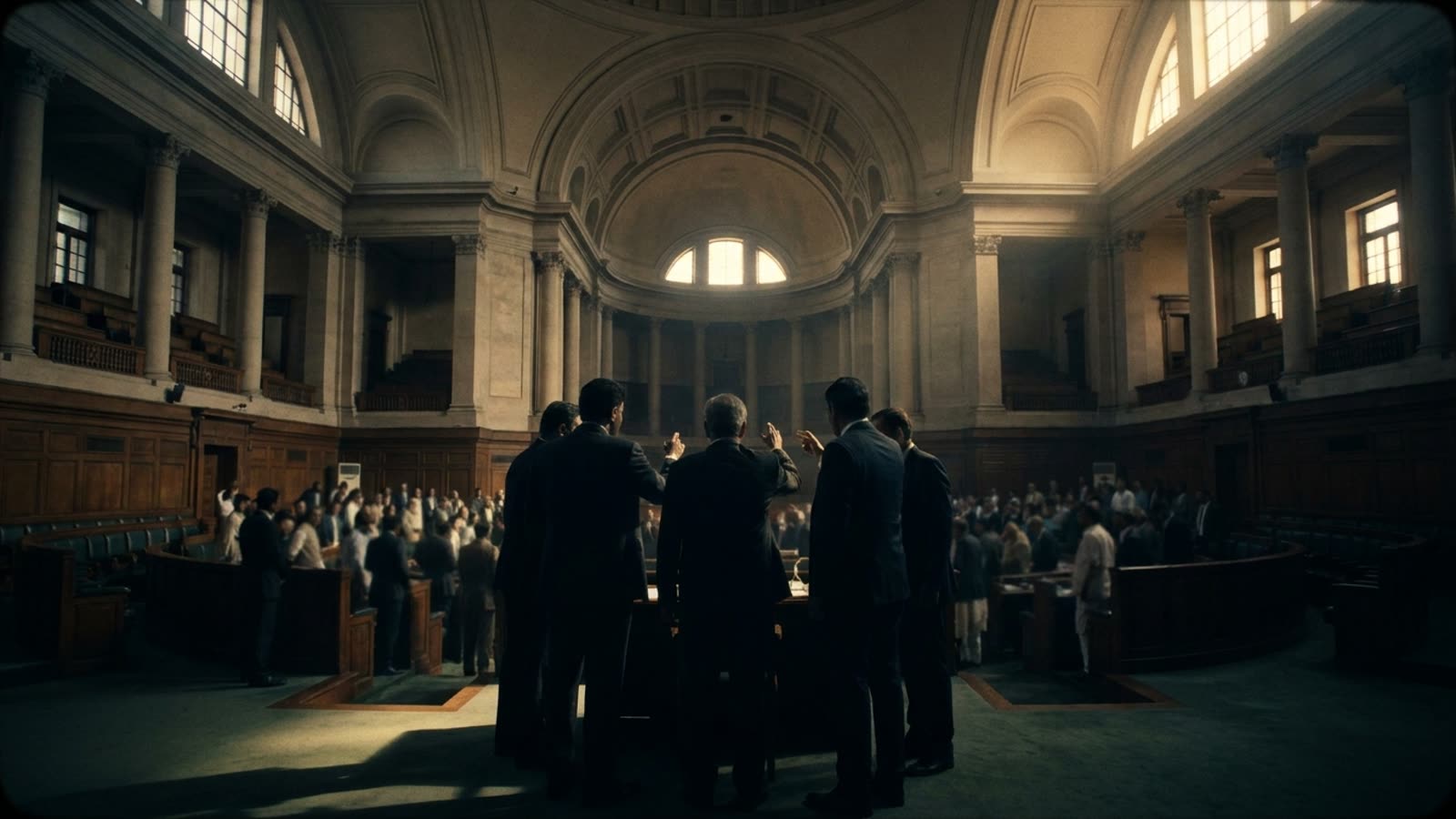
The popular image of an ambassador involves champagne flutes, flag-draped limousines, and the occasional stern statement read from a podium. This image is quaint, outdated, and dangerously misleading. The modern ambassador operates as a hybrid creature: part intelligence coordinator, part economic negotiator, part crisis manager, and increasingly, part social media combatant. Understanding how this role actually functions reveals much about how power moves between nations when the cameras are off.
The formal job description has barely changed since the Congress of Vienna codified diplomatic ranks in 1815. An ambassador presents credentials to a head of state, represents their sovereign, and enjoys certain immunities. But the substance of the work has transformed beyond recognition. Today's ambassador to a major capital oversees what amounts to a small intelligence city—dozens or hundreds of personnel from foreign ministries, defense departments, treasury offices, agricultural agencies, and services that officially do not exist.
The Embassy as Operating System
A large embassy functions less like an office and more like a government in miniature, transplanted onto foreign soil. The ambassador sits atop this apparatus but rarely controls all of it. Defense attachés report through military channels. Intelligence officers maintain their own hierarchies. Economic counselors answer to trade ministries back home. The ambassador's real power lies not in command but in coordination—the ability to synthesize these competing streams into coherent policy recommendations that reach decision-makers.
This coordination function becomes critical during crises. When a government must decide whether to evacuate citizens, impose sanctions, or escalate a dispute, the ambassador's cable often provides the on-the-ground assessment that shapes the choice. A well-connected ambassador who has cultivated sources across a host country's political spectrum can offer insight that satellites and signals intelligence cannot match. A poorly networked one becomes an expensive stenographer.
The Back Channel and Its Limits
Ambassadors derive their most consequential influence from access—specifically, the ability to reach senior officials in the host government through informal channels that bypass official protocols. These relationships take years to build and can evaporate overnight with a personnel change on either side. When they function, they allow for the kind of frank exchange that formal diplomatic notes cannot accommodate. Governments can float proposals, issue warnings, and explore compromises without the rigidity of official positions.
The limitation is structural. An ambassador can open doors but cannot make policy. The most brilliant diplomatic maneuvering means nothing if capitals refuse to authorize flexibility. Many negotiations have collapsed not because ambassadors failed but because their instructions left no room for the compromises their local knowledge suggested were necessary.
Our take
The ambassador's role endures because nations still need humans who can read rooms, build trust, and interpret the gap between what governments say and what they mean. Technology has not replaced this function; it has merely accelerated the pace at which ambassadors must perform it. The best ones remain among the most consequential unelected officials in any government—shaping outcomes that affect millions while operating almost entirely outside public scrutiny. That combination of power and obscurity should make citizens more curious about who gets these jobs and why.