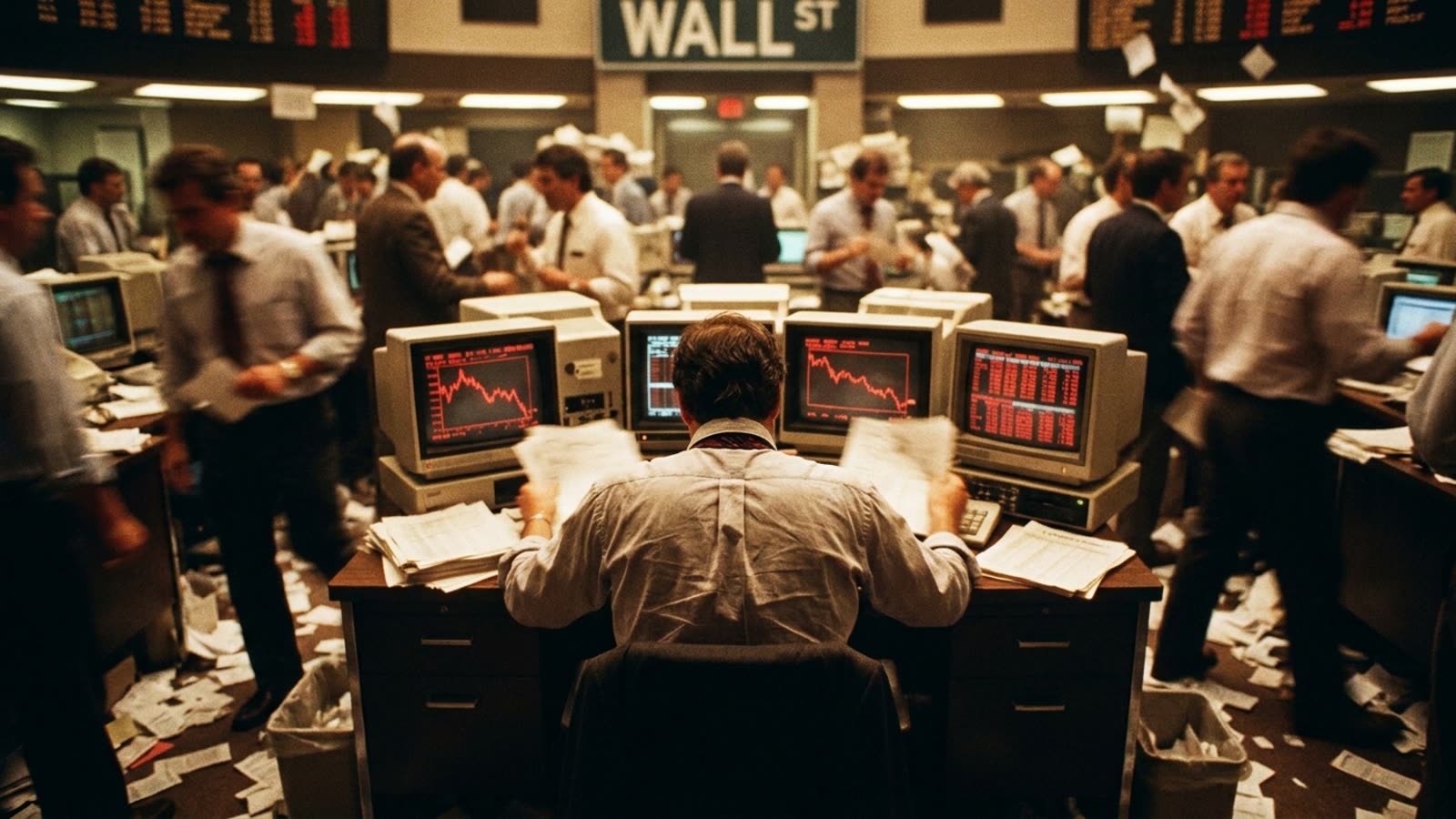
When Standard & Poor's downgraded U.S. government debt from AAA to AA+ in August 2011, markets plunged and politicians raged. A private company with 1,500 analysts had just told the world's superpower that its creditworthiness was slipping. The downgrade stood, the markets adjusted, and life went on. This is the strange reality of modern finance: three New York firms effectively govern the global debt markets, and everyone simply accepts it.
The accidental empire
Credit rating agencies began as a mundane service. John Moody started rating railroad bonds in 1909 because investors needed basic information about what they were buying. Poor's Publishing Company did the same. Fitch joined the party in 1913. For decades, they sold manuals to investors who wanted to know if the Erie Railroad or U.S. Steel would pay back their bonds. It was a sleepy business built on subscription fees.
The transformation came with a perverse twist in the 1970s. Instead of investors paying for ratings, the agencies switched to an "issuer pays" model. Now the companies being rated would foot the bill. Critics howled about conflicts of interest, but the model stuck because it solved a practical problem: ratings became free and public, making markets more efficient. The real acceleration came when regulators started hard-coding ratings into rules. Pension funds could only buy "investment grade" bonds. Banks needed more capital against "speculative" assets. Suddenly, the rating wasn't just an opinion—it was the law.
Gods of the sovereign market
Today, when Moody's analysts sit down to rate a country, they wield more immediate power than most elected officials. A downgrade can spike a nation's borrowing costs overnight, forcing austerity measures that reshape millions of lives. During the European debt crisis, rating actions on Greece, Portugal, and Spain became front-page news that moved markets and toppled governments.
The agencies rate about 130 sovereign governments, from the United States to Uruguay. Their methodologies blend quantitative metrics—debt ratios, growth rates, foreign reserves—with squishier judgments about political stability and institutional quality. It's part science, part art, and the agencies guard their exact formulas like state secrets. This opacity is a feature, not a bug. If the recipe were public, governments would game it.
The uncomfortable truth
The 2008 financial crisis exposed the agencies' catastrophic failures. They had stamped AAA ratings on mortgage securities that turned out to be toxic waste. Congressional hearings revealed embarrassing emails where analysts admitted to rating deals "structured by cows." The agencies paid billions in settlements and promised reforms. Yet their power only grew. Why? Because the uncomfortable truth is that global credit markets need a referee, and nobody has invented a better alternative.
Some countries have tried to escape the oligopoly. China launched Dagong Global Credit Rating. The European Union toyed with creating a public agency. Russia and Brazil pushed their own raters. None gained traction, because credit ratings derive their power from network effects. A rating only matters if investors believe it matters, and investors follow S&P, Moody's, and Fitch because everyone else does.
Our take
The rating agencies are simultaneously indispensable and impossible. They provide a crucial market function—creating a common language for credit risk—while embodying every critique of modern capitalism's democratic deficit. Unelected analysts in Manhattan can effectively impose austerity on entire populations. Their business model rewards them for the very ratings they issue. Their track record includes missing the biggest financial crisis in generations. Yet markets would freeze without them. Until someone designs a better system for pricing sovereign risk, we're stuck with three firms playing god. The miracle isn't that they sometimes fail—it's that the arrangement works at all.