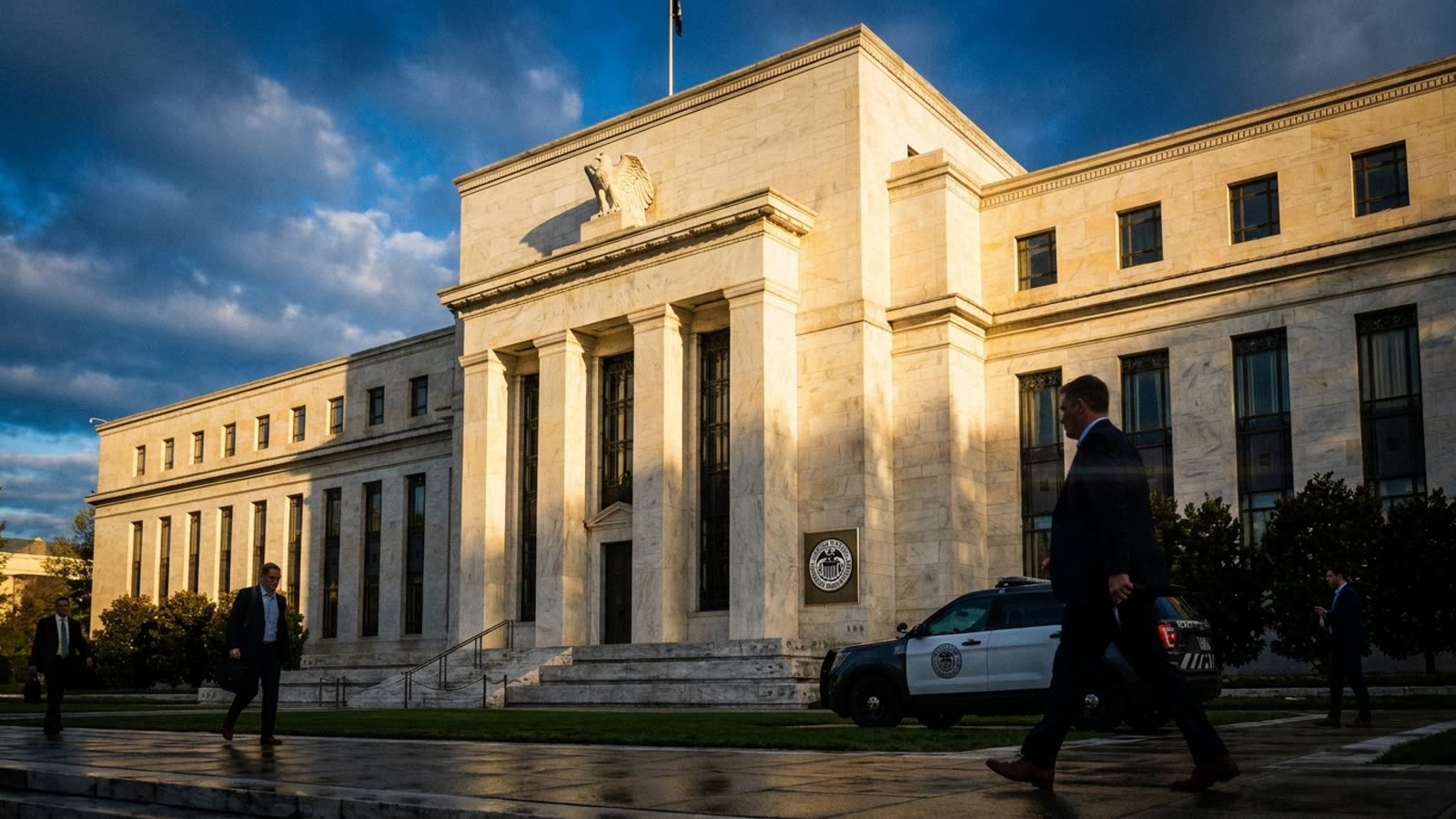
Most people imagine central banks creating money by firing up printing presses in underground vaults. The reality is both more mundane and more magical: they create money by typing numbers into computers. When the Federal Reserve wants to increase the money supply, it doesn't hand out freshly printed bills. Instead, it credits commercial banks' reserve accounts with new digital dollars that spring into existence at the stroke of a keyboard.
The alchemy of open market operations
The primary tool central banks use to create money is deceptively simple. When the Fed buys Treasury bonds from a bank, it pays by crediting that bank's reserve account. These reserves didn't exist moments before—they are created ex nihilo for the purchase. The bank now has new reserves it can lend out, multiplying the initial creation through the fractional reserve system. If the Fed buys $1 billion in bonds and banks maintain a 10% reserve ratio, up to $10 billion in new money can ultimately enter circulation through successive rounds of lending.
This process works in reverse too. When the Fed sells bonds, banks pay with their reserves, effectively destroying that money. The elegance lies in how abstract it all is—no physical currency moves, no vaults are opened. The money supply expands and contracts through accounting entries that ripple outward into the real economy.
Why banks are the crucial middlemen
Central banks cannot inject money directly into the economy—they need commercial banks as intermediaries. The Fed can create reserves, but only banks can turn those reserves into loans that fund mortgages, business expansions, and consumer spending. This dependency explains why monetary policy sometimes fails to stimulate growth: if banks are reluctant to lend or borrowers reluctant to borrow, newly created reserves pile up uselessly in the banking system.
The 2008 financial crisis illustrated this limitation starkly. The Fed created trillions in new reserves through quantitative easing, yet much of it sat idle as "excess reserves" because banks were too fearful to lend and businesses too uncertain to invest. Central banks can lead the monetary horse to water, but they cannot make it drink.
Our take
The mechanics of money creation reveal an uncomfortable truth about modern economies: our entire monetary system rests on confidence and keystrokes rather than tangible assets. This grants central banks enormous power to respond to crises but also means that power is constrained by psychology and institutional plumbing. Understanding these mechanics matters because it demystifies monetary policy debates—from inflation concerns to cryptocurrency appeals. The next time someone claims the Fed is "printing money," remember that the reality is both less dramatic and more profound than running a printing press.