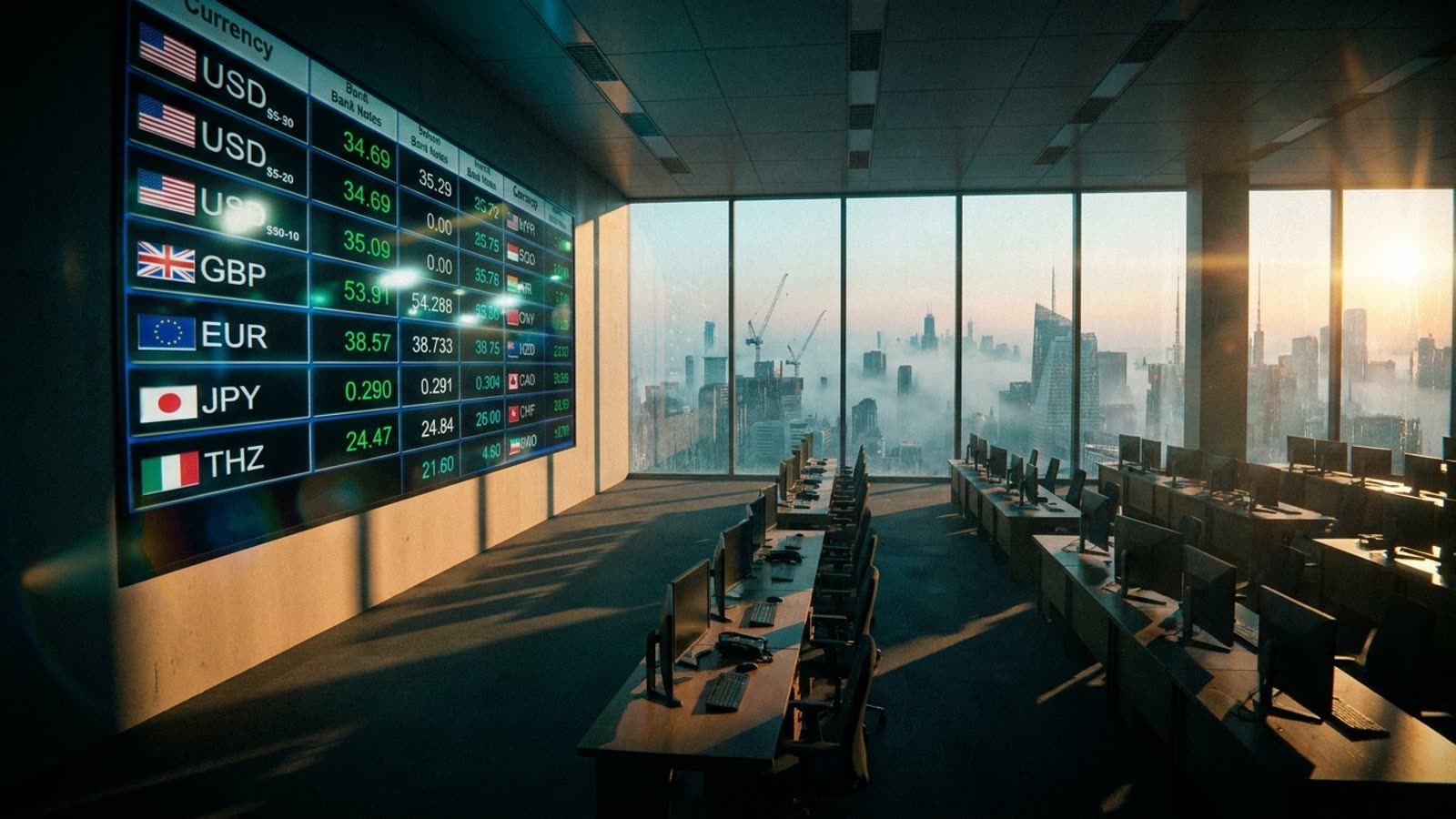
Every night, while most of the financial world sleeps, a handful of traders in Tokyo, London, and New York quietly move trillions of dollars through an obscure market that keeps the global economy from seizing up. They're trading currency swaps — and if they ever stopped, your local bank might not open the next morning.
The dollar shortage nobody talks about
Here's a problem most people never consider: a Japanese bank needs dollars to pay its American suppliers, but it only has yen. An American pension fund wants to buy German bonds but needs euros. A Brazilian company must service dollar debt but earns in reais. Without currency swaps, each would face a logistical nightmare of finding counterparties, negotiating rates, and managing the risk that exchange rates might move against them before the deal closes.
The currency swap market solves this by creating what amounts to a massive, continuous currency exchange that operates outside traditional foreign exchange markets. Banks and corporations don't actually trade their currencies — instead, they agree to exchange cash flows in different currencies for a set period, then reverse the transaction at the end. It's like borrowing someone else's currency while lending them yours, with both parties paying interest in the currency they borrowed.
Why central banks wake up in cold sweats
The real genius of currency swaps became clear during the 2008 financial crisis. As Lehman Brothers collapsed, banks worldwide suddenly found they couldn't borrow dollars. European banks, which had gorged on American mortgage securities, needed dollars to meet their obligations. The traditional foreign exchange market froze. Without dollars, these banks faced immediate collapse, which would have triggered a cascade of failures across the global financial system.
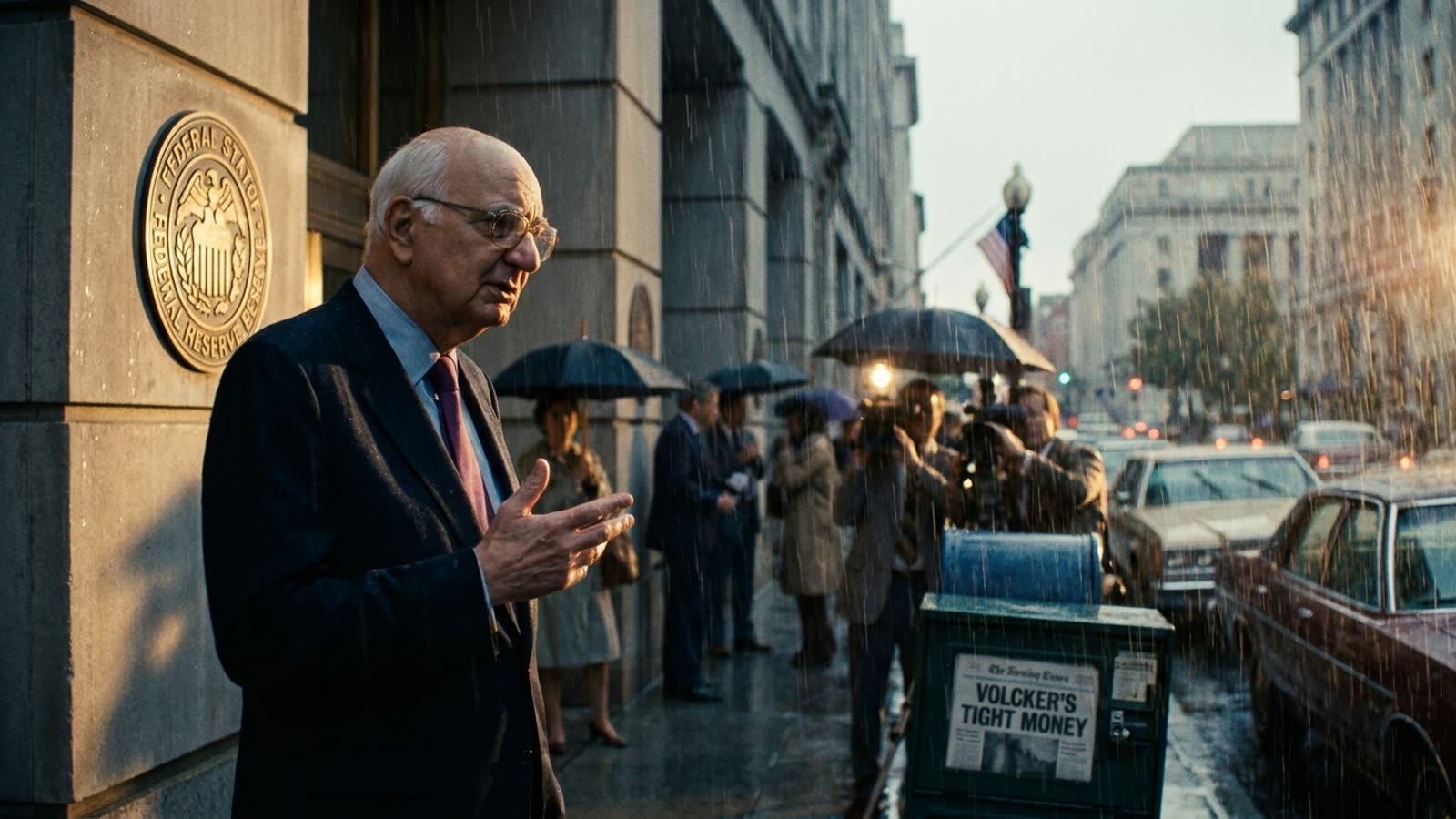
The Federal Reserve's response was unprecedented: it opened swap lines with other central banks, essentially becoming the dollar lender of last resort to the entire world. The Fed would create dollars and swap them for euros, pounds, or yen with other central banks, who would then lend those dollars to their local banks. At the peak, these swap lines reached over $600 billion. The European Central Bank alone drew $313 billion in a single week in December 2008.
The hidden architecture of global finance
Today, the currency swap market has grown to over $100 trillion in notional value — larger than global GDP. Every major corporation uses them. Apple swaps dollars for euros to fund its European operations without converting its cash pile. Toyota swaps yen for dollars to hedge its American sales. Even countries use them: China maintains currency swap agreements with dozens of nations to internationalize the renminbi without fully opening its capital account.
The market operates through a network of dealer banks that make markets in currency swaps, earning tiny spreads on enormous volumes. The pricing is dizzyingly complex, incorporating interest rate differentials, credit risk, and the mysterious "basis" — the premium charged for accessing scarce currencies. When the basis for dollar swaps spikes, it's a sign of stress somewhere in the global financial system, a canary in the coal mine that only a few thousand people worldwide know how to read.
Our take
Currency swaps are the cardiovascular system of global finance — invisible when healthy, catastrophic when blocked. They represent both the genius and the fragility of our interconnected financial world: a market so essential that central banks will conjure trillions from thin air to keep it functioning, yet so obscure that most financial professionals barely understand it. The next financial crisis probably won't start in currency swaps, but it will certainly show up there first. When it does, the traders manning those desks in Tokyo, London, and New York will once again become the unsung heroes preventing a global financial seizure.