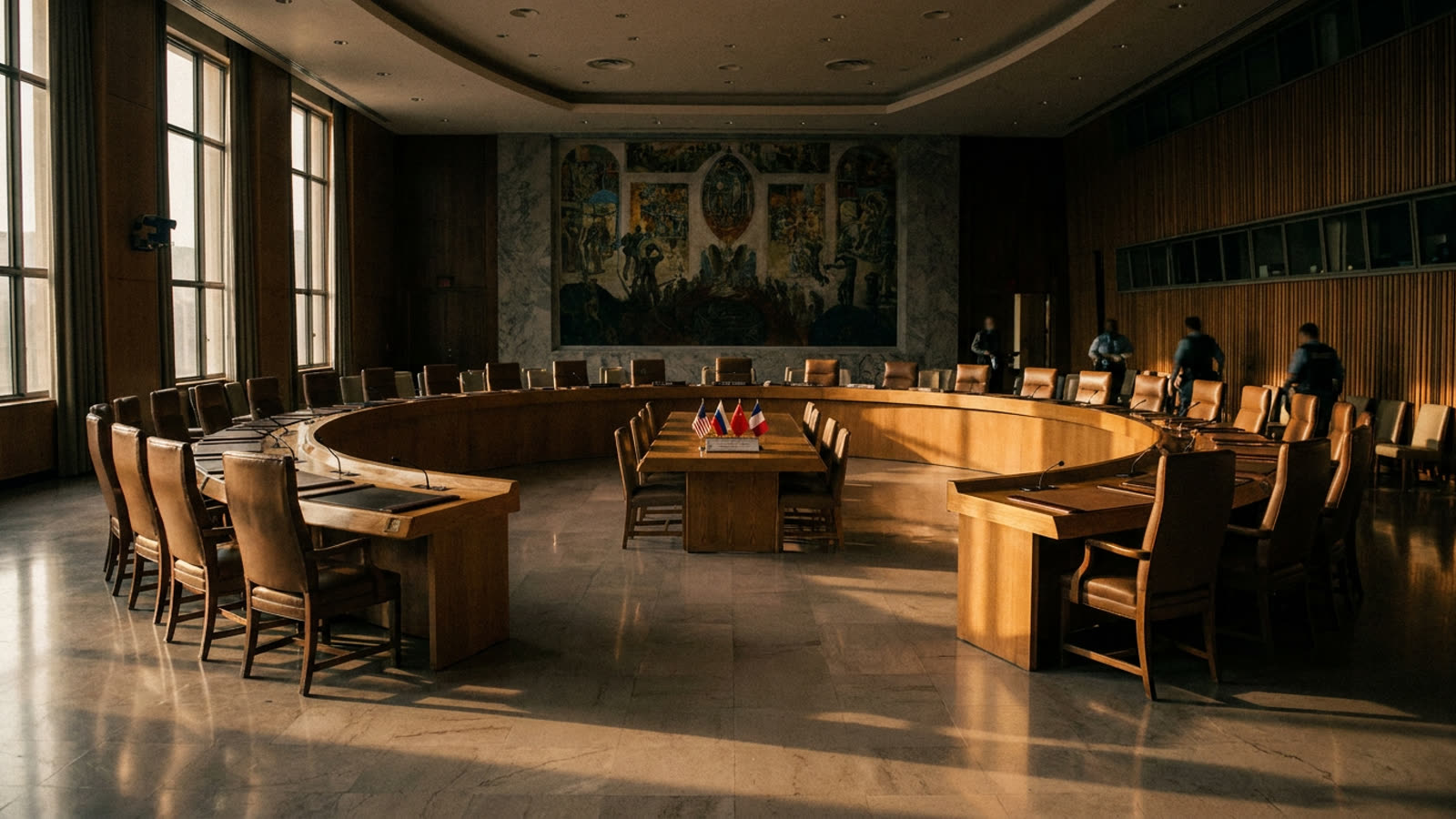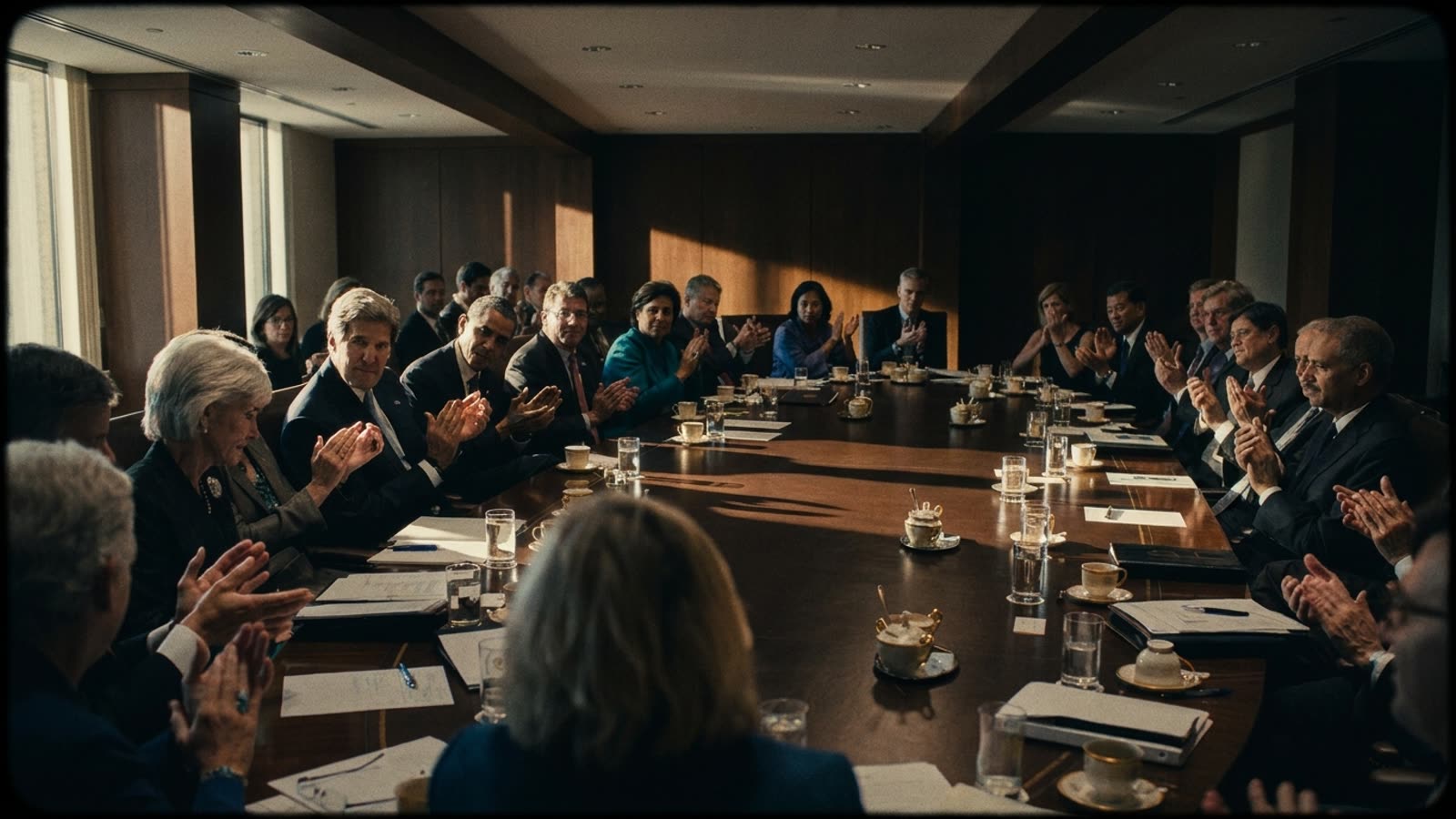
The popular image of an ambassador involves champagne receptions, gilded residences, and the occasional strongly-worded statement. The reality is closer to that of a regional manager for a multinational corporation, except the product is national interest and the competition can end in war.
Ambassadors occupy a peculiar constitutional position in most democracies. They are simultaneously the personal representative of their head of state and a bureaucratic functionary within a foreign ministry hierarchy. This dual nature gives them unusual latitude. When an ambassador speaks, foreign governments must calculate whether they are hearing official policy, a trial balloon, or personal opinion dressed in diplomatic language. Skilled ambassadors exploit this ambiguity constantly.
The three jobs nobody sees
The visible work of an embassy—visa processing, citizen services, cultural programming—accounts for perhaps a quarter of what senior diplomatic staff actually do. The rest divides into three categories that rarely make headlines.
First, reporting. Ambassadors and their political sections produce a continuous stream of analysis for their home capitals: who is rising in the host government, which minister is feuding with which, what the real position is behind the public position. This intelligence function predates and often rivals that of formal spy agencies. The leaked American diplomatic cables of the early 2010s revealed ambassadors describing foreign leaders with the clinical precision of anthropologists.
Second, lobbying. Ambassadors spend enormous energy trying to shape host-country policy on matters affecting their nation. This ranges from the mundane (tariff schedules, aviation rights) to the existential (military basing, sanctions enforcement). The tools are relationship-building, information provision, and the implicit promise or threat of reciprocity.
Third, back-channel communication. When official relations freeze, ambassadors often maintain informal contact that allows both sides to signal flexibility without public commitment. During the Cold War, ambassadorial conversations in Vienna and Geneva kept lines open that formal summits could not.
Why political appointees persist
The United States is unusual among major democracies in routinely awarding ambassadorships to campaign donors and political allies rather than career diplomats. Critics have long argued this produces embarrassing incompetence. The counterargument, rarely stated plainly, is that political appointees sometimes have something career diplomats lack: direct access to the president.
A bundler who raised tens of millions for a winning campaign can often get a call returned that a thirty-year foreign service veteran cannot. In capitals where the host government cares intensely about American presidential attention, this access translates into influence. The calculation is coldly rational, even if the optics are uncomfortable.
Career diplomats, meanwhile, offer institutional memory, language skills, and the credibility that comes from having no obvious political agenda. Most foreign ministries worldwide staff their embassies almost exclusively with professionals. The hybrid American system produces both spectacular failures and occasional successes that a purely professional corps might not achieve.
Our take
Diplomacy is unfashionable in an era that rewards public confrontation and Twitter statecraft. But the embassy system persists because it solves a problem that technology cannot: the need for trusted human judgment in places where misunderstanding carries catastrophic risk. Ambassadors are not relics. They are the load-bearing walls of international order, visible only when someone tries to remove them.