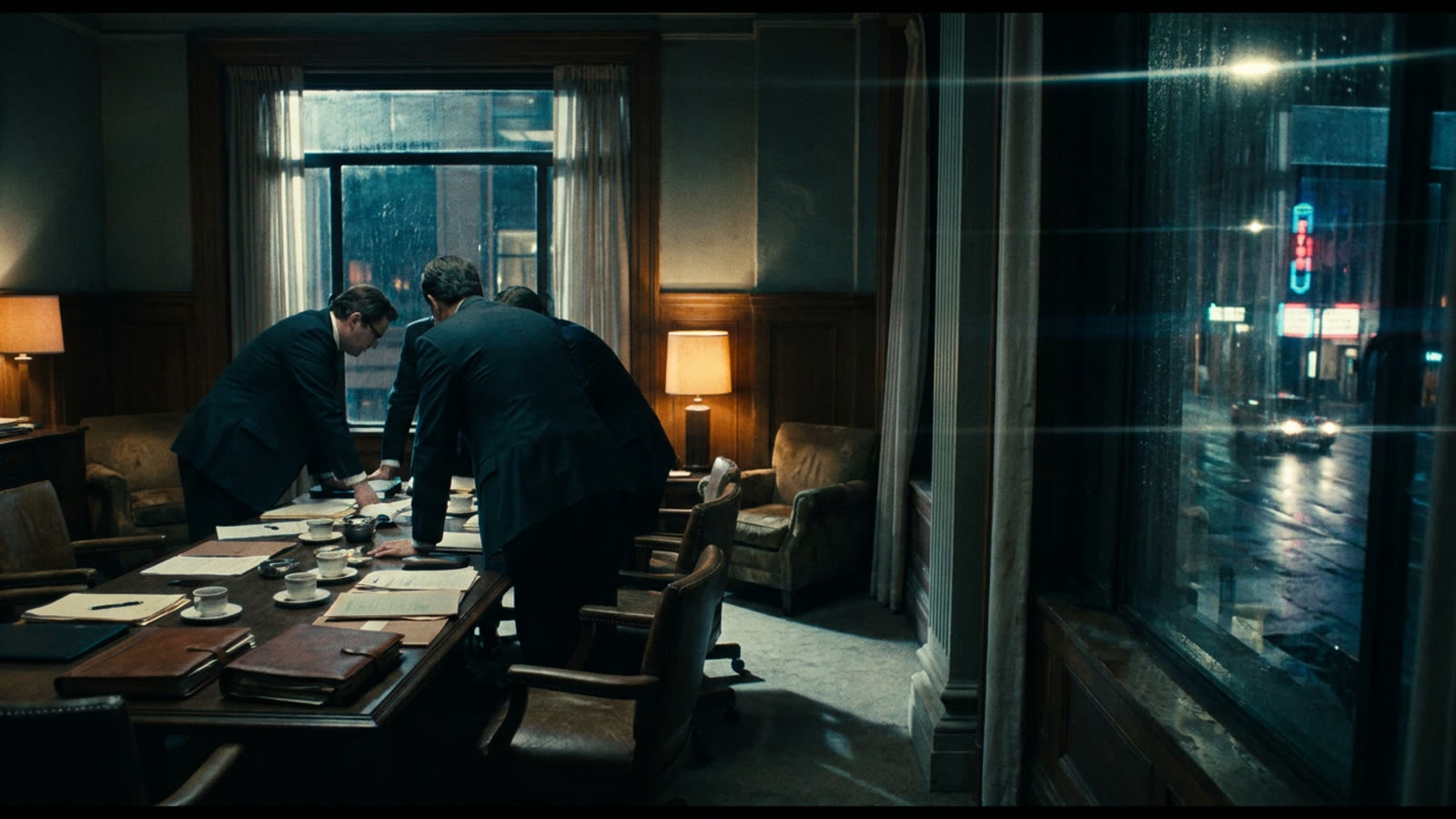
The popular image of a prime minister—commanding, decisive, issuing orders from the dispatch box—obscures a messier truth. In Westminster-style systems, from London to Canberra to Ottawa, the head of government is less an American-style chief executive than a chairman of the board, one whose authority persists only so long as colleagues choose to grant it.
This distinction matters enormously for understanding how policy actually gets made, why governments suddenly collapse, and what separates a transformative leader from a caretaker.
The doctrine of collective responsibility
The constitutional fiction at the heart of cabinet government is that the executive speaks with one voice. Once a decision is taken around the cabinet table, every minister is bound to defend it publicly or resign. This principle, unwritten in most Westminster constitutions, serves two functions: it presents a unified front to parliament and public, and it gives dissenting ministers genuine leverage before a decision is finalised.
The threat of resignation is the nuclear option that shapes every cabinet discussion. A prime minister who loses a senior colleague over a matter of principle faces not just a personnel problem but a legitimacy crisis. The departing minister is now free to speak, and their critique carries the weight of insider knowledge. Margaret Thatcher discovered this when Geoffrey Howe's resignation speech in 1990 proved more damaging than years of opposition attacks.
The limits of patronage
Prime ministers do possess formidable tools. They control appointments, set the cabinet agenda, chair meetings, and summarise conclusions—often creatively. They can reshuffle troublesome ministers into obscurity or out of government entirely. Yet these powers have hard limits.
A prime minister who alienates too many backbenchers faces a confidence vote. One who ignores cabinet sentiment on a crucial issue may find their policy simply not implemented by departments. The civil service takes its instructions from secretaries of state, not directly from the prime minister's office. And in coalition governments, common across Europe and increasingly in Britain, the prime minister must share power with partners who have their own electoral mandates and red lines.
Why prime ministers fall
The pattern is remarkably consistent across Westminster democracies. Prime ministers rarely lose general elections while still enjoying the confidence of their parliamentary party. They fall when their own side decides they have become an electoral liability or have strayed too far from the party's centre of gravity.
The mechanism varies—a leadership challenge, a cabinet coup, a sudden loss of support in a confidence vote—but the underlying dynamic is the same. The prime minister serves at the pleasure of the parliamentary party, and that pleasure can be withdrawn with startling speed when the political winds shift.
Our take
The genius of cabinet government is also its frustration: it is designed to prevent the concentration of power, which means it is also designed to prevent decisive action. Prime ministers who understand this—who build coalitions within their own cabinet before announcing policy, who keep potential rivals close, who treat collective responsibility as a genuine constraint rather than a convenient fiction—tend to survive. Those who mistake the trappings of office for actual authority discover, often too late, that the power they thought they held was only ever on loan.