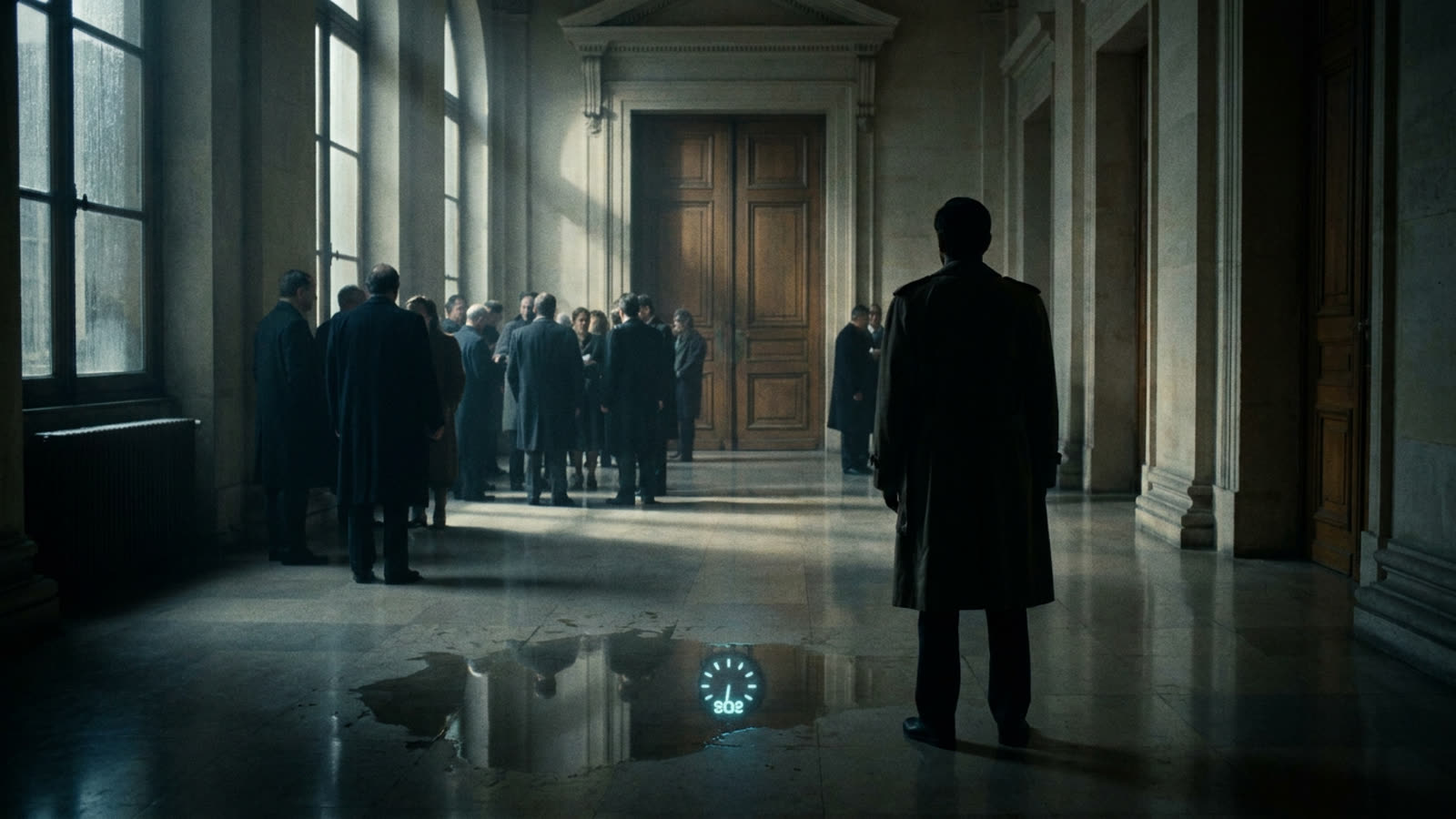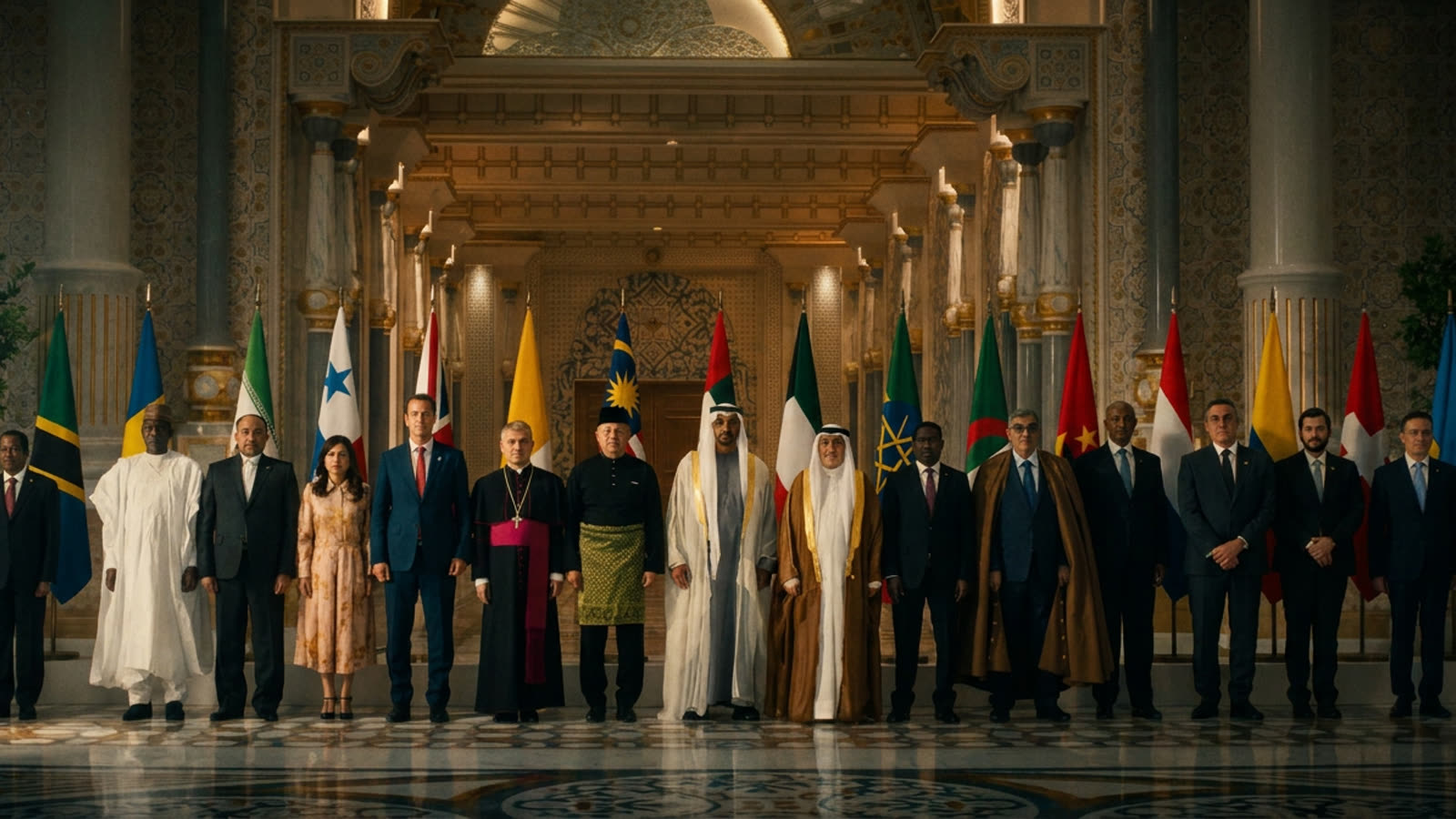
The popular image of an ambassador involves champagne, canapés, and ceremonial ribbon-cutting. The reality involves 3 a.m. phone calls, back-channel negotiations with hostile intelligence services, and the delicate art of telling your own government things it does not want to hear. Ambassadors are not relics of a pre-digital age; they are the human shock absorbers between sovereign states that might otherwise stumble into catastrophe.
The misconception runs deep. When a foreign ministry wants to signal displeasure, it summons the ambassador—a ritual that strikes many observers as quaint theater. But the summons matters precisely because the ambassador is not a messenger. She is a plenipotentiary, legally empowered to bind her nation, and her physical presence in the host capital means she absorbs context that no encrypted cable can convey. She reads the room. She knows which deputy minister is ascendant, which general is losing the president's ear, which newspaper editor takes calls from the intelligence directorate. This granular, embodied knowledge is irreplaceable.
The back channel nobody admits exists
Formal diplomacy operates through foreign ministries, but crises are often defused through ambassadors speaking directly to heads of state or their closest advisers—conversations that leave no official record. During the Cold War, the American ambassador in Moscow sometimes bypassed the State Department entirely to reach the Kremlin, and the Kremlin reciprocated. The practice continues. When tensions spike, the ambassador becomes a secure, deniable conduit for messages too sensitive for official channels. Governments can later disavow what was said; they cannot disavow a signed treaty. This ambiguity is a feature, not a bug.
Why instant communication made ambassadors more valuable, not less
One might assume that leaders who can video-call each other no longer need intermediaries. The opposite has occurred. Direct leader-to-leader contact raises the stakes of every exchange; a misread tone or an offhand remark can spiral before either side understands what happened. Ambassadors provide a buffer. They can probe, retreat, and rephrase without committing their principals. They can say, "My capital is concerned," without the president having to say, "I am concerned." This diplomatic grammar sounds archaic until you realize it prevents escalation.
The role also demands a peculiar psychological profile: someone trusted enough by their own government to represent it, yet independent-minded enough to push back when headquarters is wrong. The best ambassadors have occasionally infuriated their foreign ministers by reporting unwelcome truths—that a proposed policy will fail, that the host government will not bend, that the intelligence assessment is wishful thinking. Such candor is career-limiting but historically invaluable.
Our take
Democracies have increasingly treated ambassadorships as patronage rewards for campaign donors, while autocracies staff their embassies with intelligence officers who view diplomacy as cover. Both tendencies corrode the institution. The ambassador's quiet, human judgment—formed over years of language study, cultural immersion, and painful negotiation—remains one of the few brakes on the machinery of interstate violence. Underfunding embassies and appointing amateurs is not thrift; it is a down payment on future miscalculation.