The influencer economy has entered its mature phase, which means the interesting action is no longer at the top of the pyramid but somewhere in its increasingly lucrative middle.
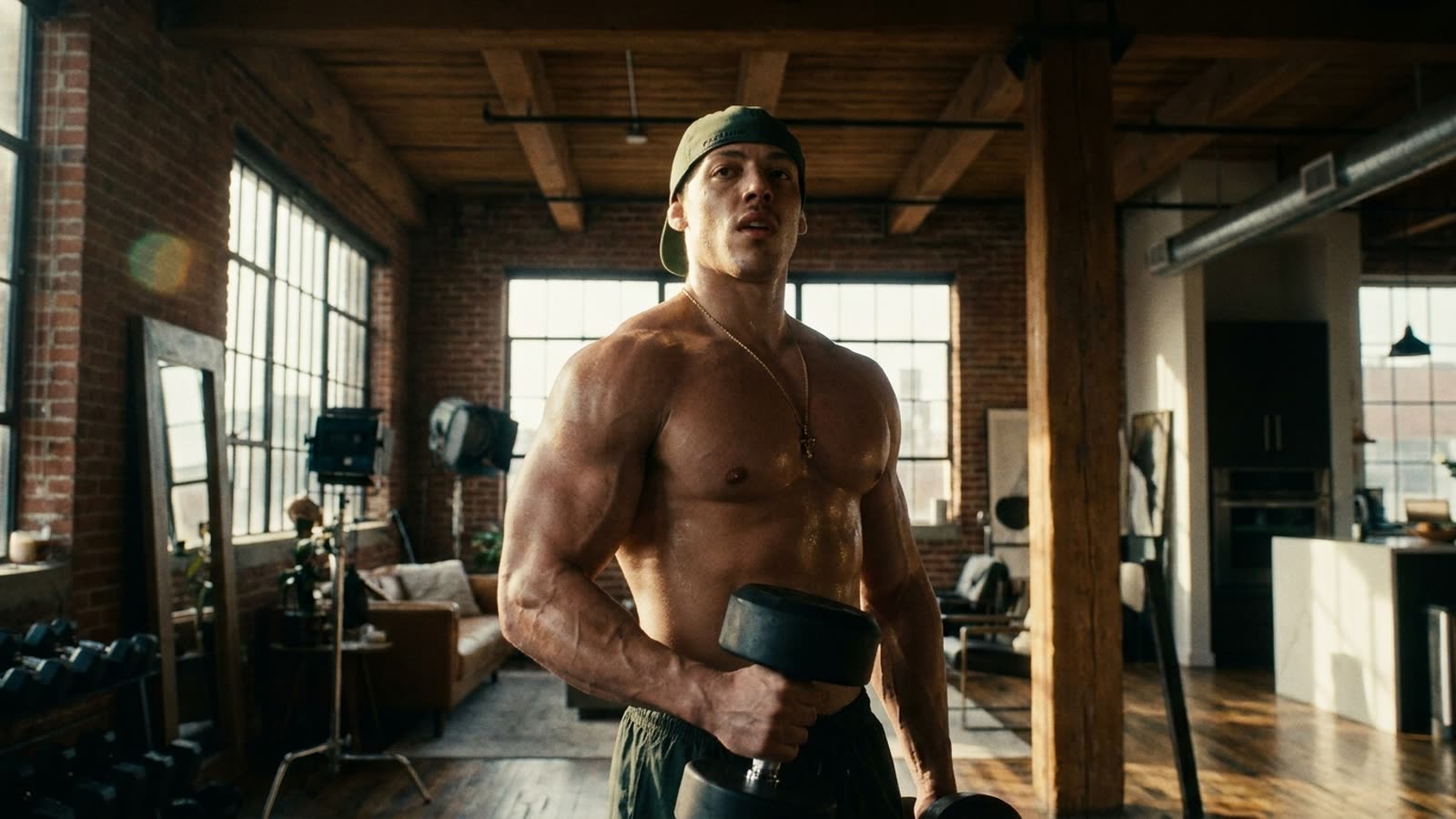
Gabriel Ganley occupies that territory—not yet a household name, but commanding the kind of engaged following that makes marketing executives reach for their checkbooks. In an attention economy where mega-influencers face diminishing returns on authenticity, creators like Ganley represent the new math of digital influence: smaller audiences, higher trust, better conversion.
The mid-tier advantage
The influencer market has bifurcated in revealing ways. At the top, the Kardashian-Jenner industrial complex and its imitators command eight-figure deals but face growing skepticism from audiences exhausted by the obvious artifice. At the bottom, nano-influencers with a few thousand followers offer authenticity but lack scale. The sweet spot—creators with audiences large enough to matter but small enough to feel personal—is where the real value lies.
Ganley's rise follows this template. Building a presence through consistent content rather than viral moments, he's cultivated the kind of parasocial relationship that translates directly into commercial value. Brands have learned, sometimes painfully, that follower counts are vanity metrics; what matters is whether an audience actually trusts the person talking to them.
The creator middle class
The broader trend here is the professionalization of influence. What was once a lottery—go viral, get famous, monetize—has become something closer to a career path. Aspiring creators now study analytics, understand brand partnership structures, and treat content creation as a craft rather than a lucky break.
This maturation has consequences. The creator economy increasingly resembles traditional entertainment, with managers, agents, and sophisticated deal structures. But unlike Hollywood, the barriers to entry remain low enough that new talent can emerge without permission from gatekeepers. Ganley didn't need a record label, a studio, or a network. He needed a phone and a point of view.
The authenticity paradox
The challenge for any rising influencer is the authenticity trap: the very qualities that attract an audience—relatability, accessibility, apparent spontaneity—become harder to maintain as success brings professional obligations. Every creator who makes it faces the same dilemma: scale up and risk becoming another polished brand, or stay small and leave money on the table.
The next generation of digital talent seems more comfortable with this tension than their predecessors. They've grown up watching influencers navigate these waters and understand that some degree of commercialization is the price of sustainability. The question isn't whether to monetize but how to do so without alienating the audience that makes monetization possible.
Our take
Gabriel Ganley matters less as an individual than as a category. The influencer economy is no longer about a handful of mega-stars but about thousands of mid-tier creators building sustainable businesses on audience trust. That's a more interesting story than another Kardashian product launch, even if it doesn't generate the same headlines. The future of digital influence looks less like celebrity and more like entrepreneurship—and that's probably healthier for everyone involved.