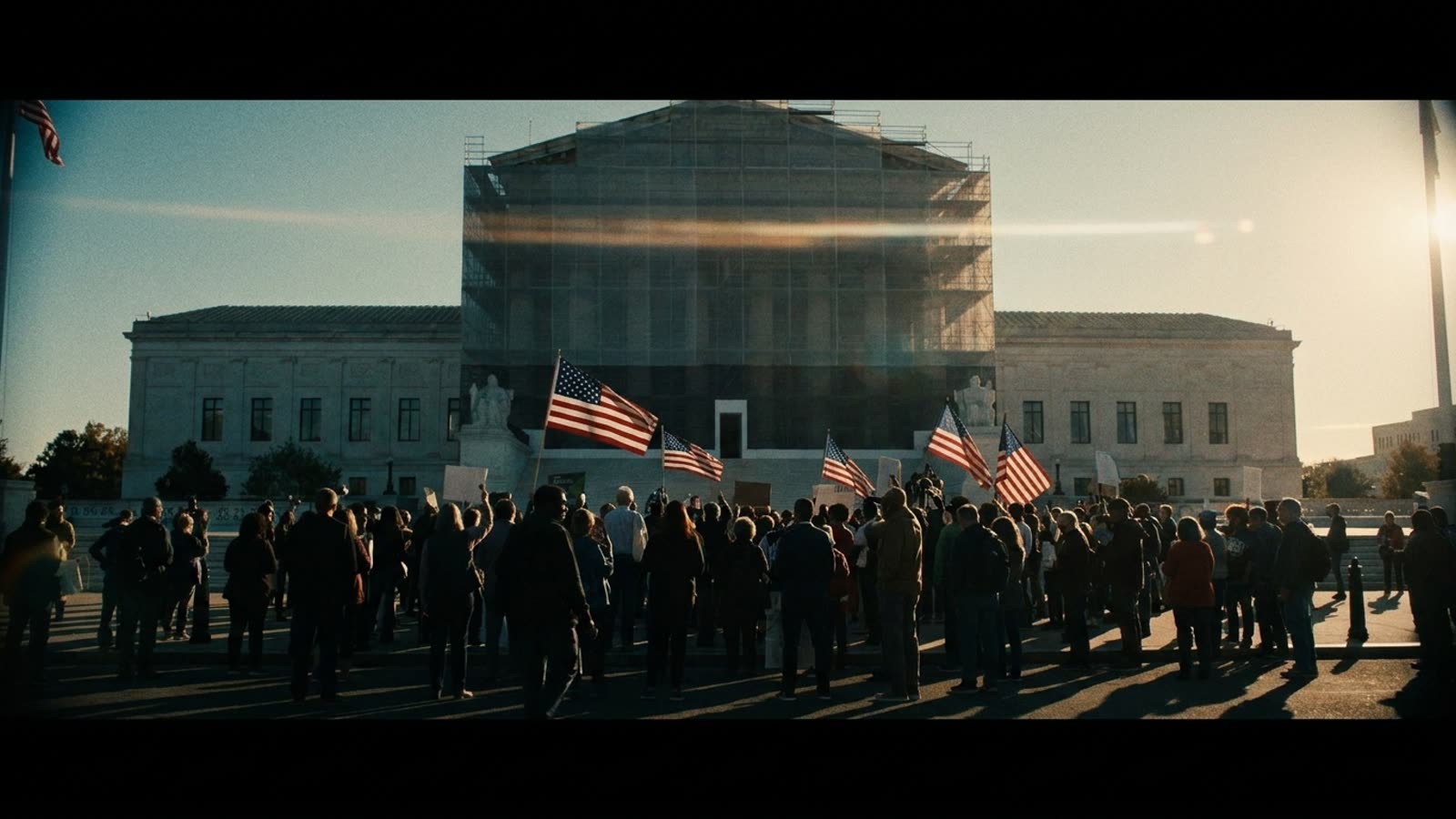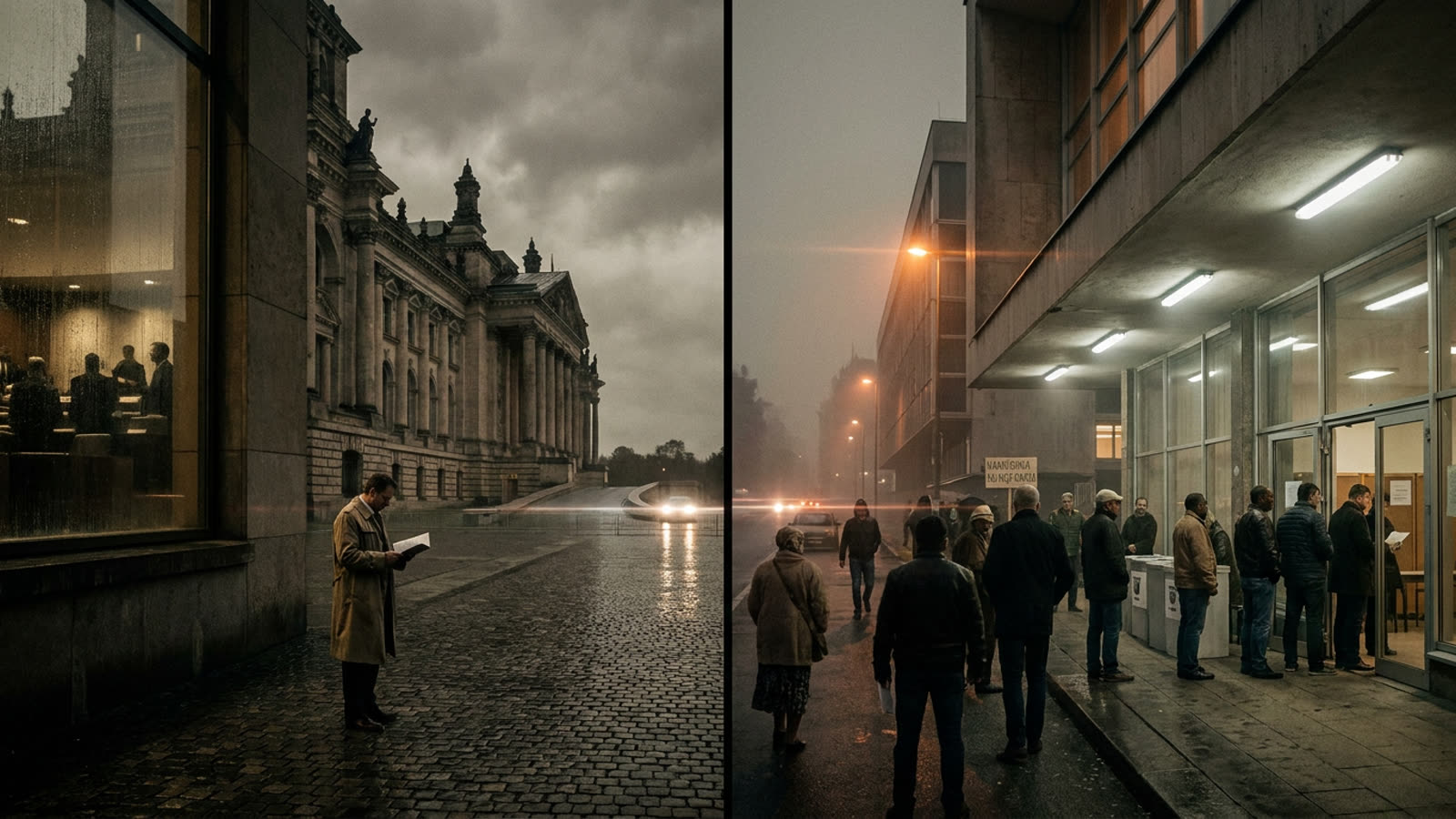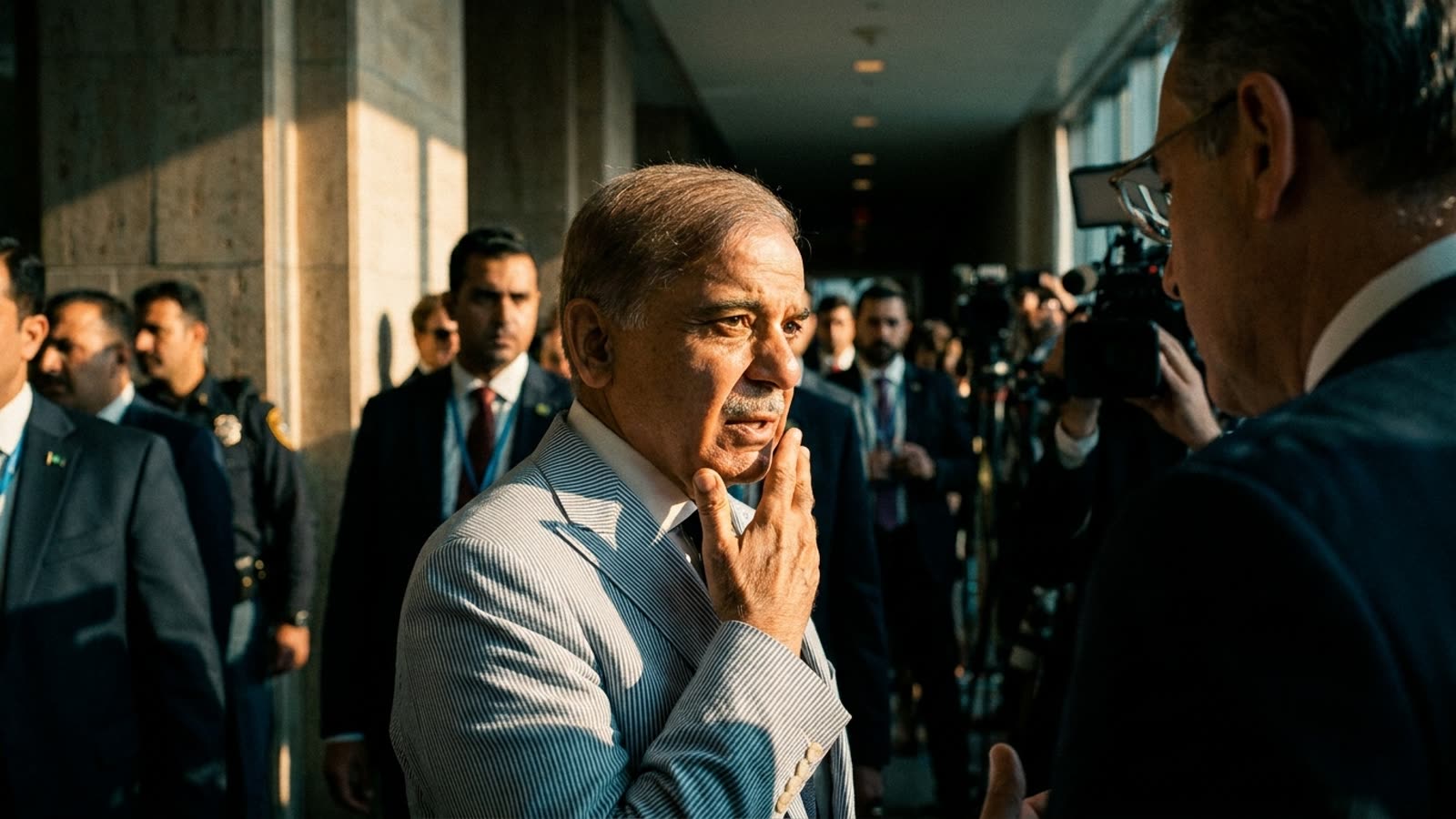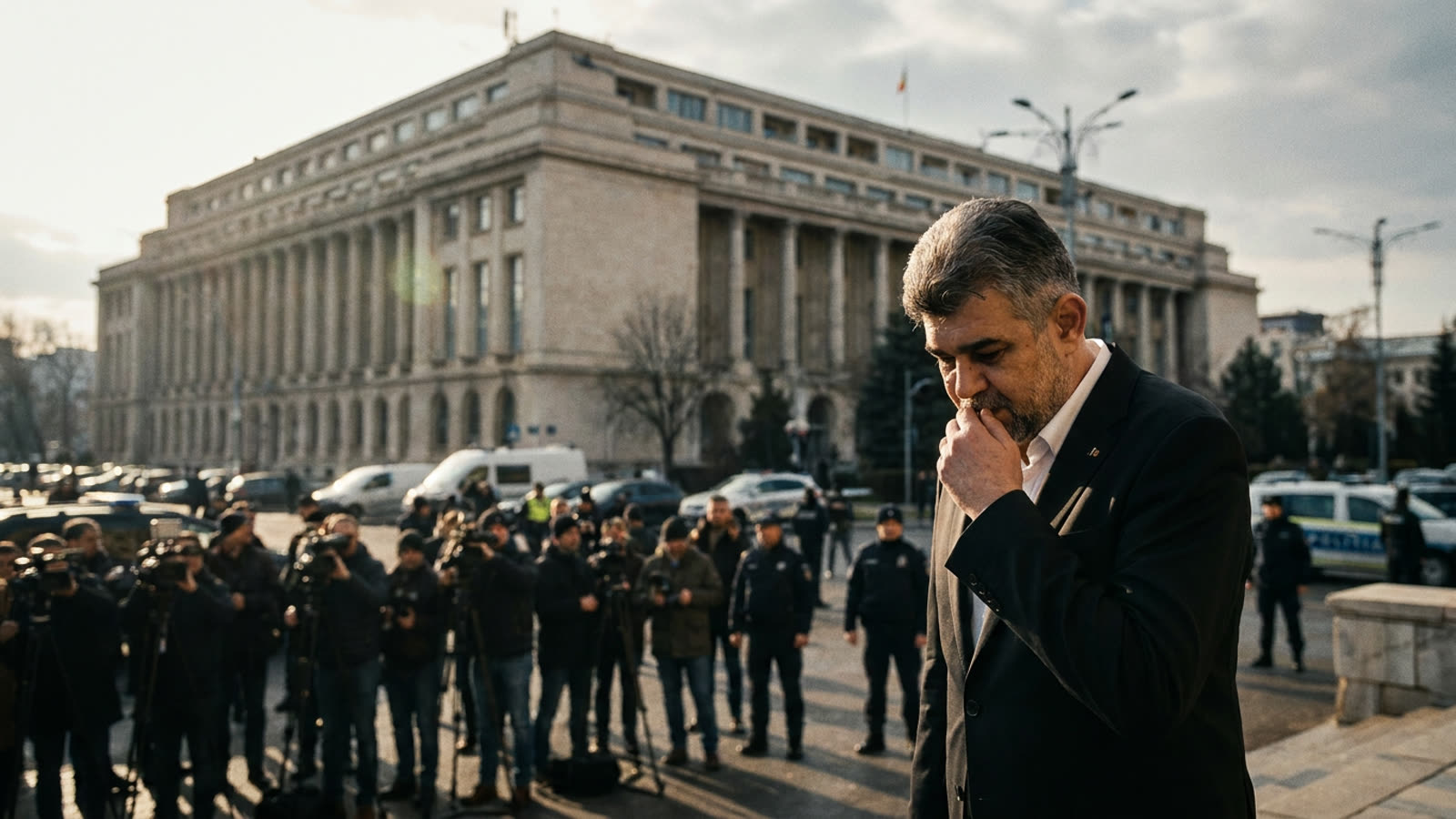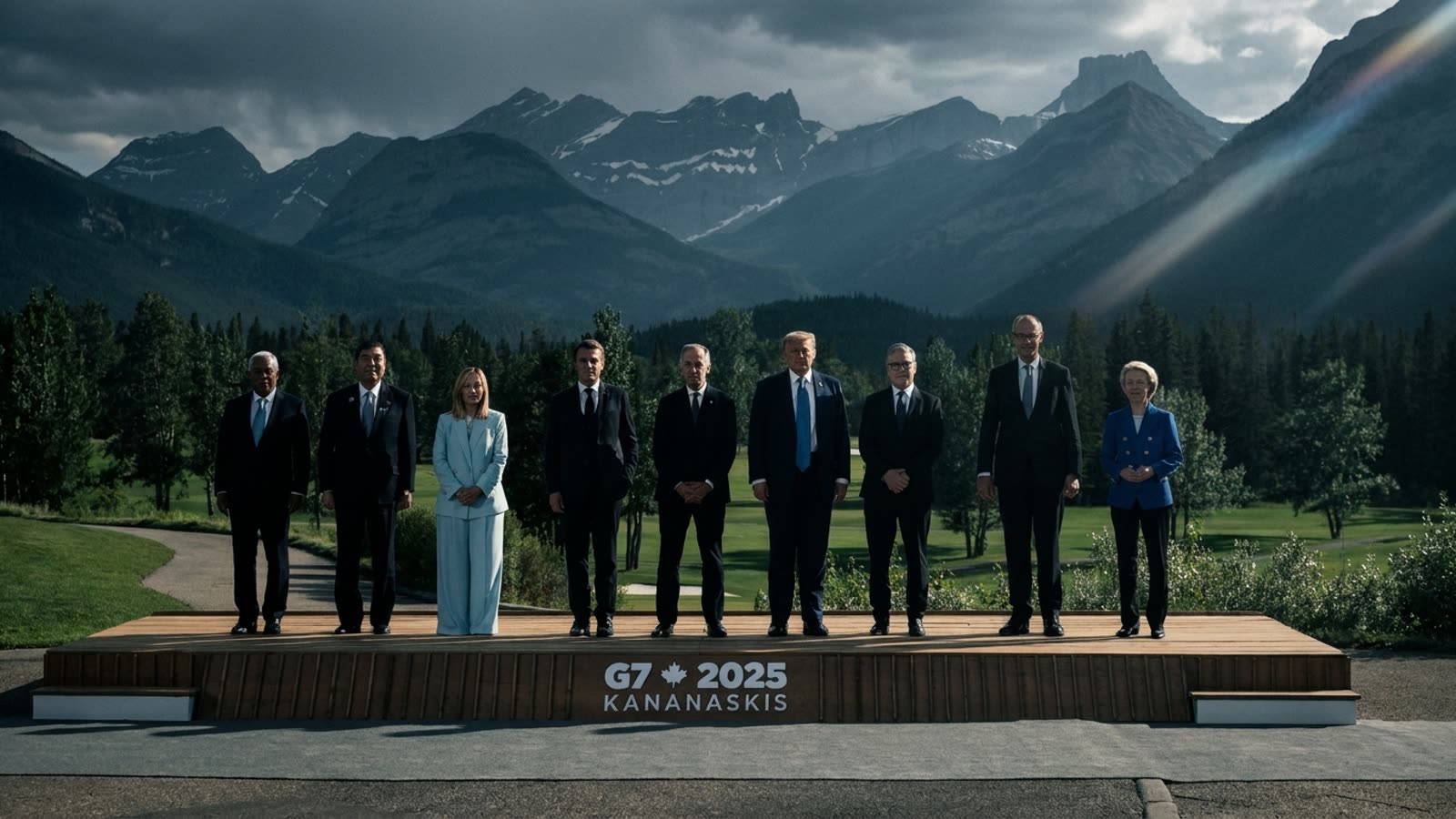
The Group of Seven was designed for a simpler era—one in which the world's richest democracies could gather annually, issue a communiqué about shared values, and return home having demonstrated that the liberal international order remained intact. That premise collapsed spectacularly this week in Charlevoix, where the 2026 summit has become less a diplomatic forum than a public autopsy of transatlantic relations.
The proximate cause is familiar: the United States, under a second Trump administration now entering its eighteenth month, has arrived with demands that bear little resemblance to the consensus-building that once defined these gatherings. But the deeper dysfunction predates any single leader. The G7's relevance has been eroding for years as its members' interests diverge on trade, climate, China, and now the conduct of two simultaneous conflicts in Europe and the Middle East.
A summit without a script
Traditionally, G7 summits are exercises in choreography. Sherpas negotiate the communiqué for months in advance; leaders arrive to sign it and pose for photographs. This year, negotiators failed to agree on draft language before the opening dinner, an almost unprecedented breakdown. The sticking points are numerous: European demands for coordinated pressure on Russia clash with American skepticism about continued Ukraine funding; Japanese concerns about supply-chain security sit uneasily beside German reluctance to decouple further from Chinese markets; and the entire table is divided over how to respond to the emerging Iran deal, which some members view as a capitulation and others as the only path away from wider war.
Canadian Prime Minister Mark Carney, hosting his first summit since taking office, has attempted to broker compromise by narrowing the agenda to areas of obvious agreement. He has found few. Even climate language—once the G7's safest terrain—has become contentious, with the American delegation reportedly objecting to any reference to the Paris Agreement targets.
The credibility question
What makes this summit different from previous moments of G7 tension is the absence of any pretense that disagreements will be papered over. In 2018, Trump refused to sign the communiqué after leaving early; in 2026, there may be no communiqué to refuse. European officials have begun speaking openly about the need for alternative forums—a "G6 plus" arrangement, or deeper bilateral ties that bypass Washington entirely.
The implications extend beyond symbolism. The G7's value has always rested on its ability to coordinate economic policy among nations that together represent roughly 45 percent of global GDP. If that coordination becomes impossible, the forum risks joining the ranks of international institutions that persist through inertia rather than function.
Our take
Institutions do not die dramatically; they fade into irrelevance while everyone pretends otherwise. The G7 is not dead, but it is now unclear what purpose it serves beyond providing a venue for leaders to disagree in person rather than over video link. The liberal international order that the forum was meant to embody required a baseline assumption that its members shared fundamental interests. That assumption no longer holds. What replaces it—a more transactional system of shifting coalitions, or something more fractured still—will be determined not in summit communiqués but in the bilateral deals and unilateral actions that follow. Charlevoix may be remembered less as a diplomatic failure than as the moment Western leaders stopped pretending they were on the same side.