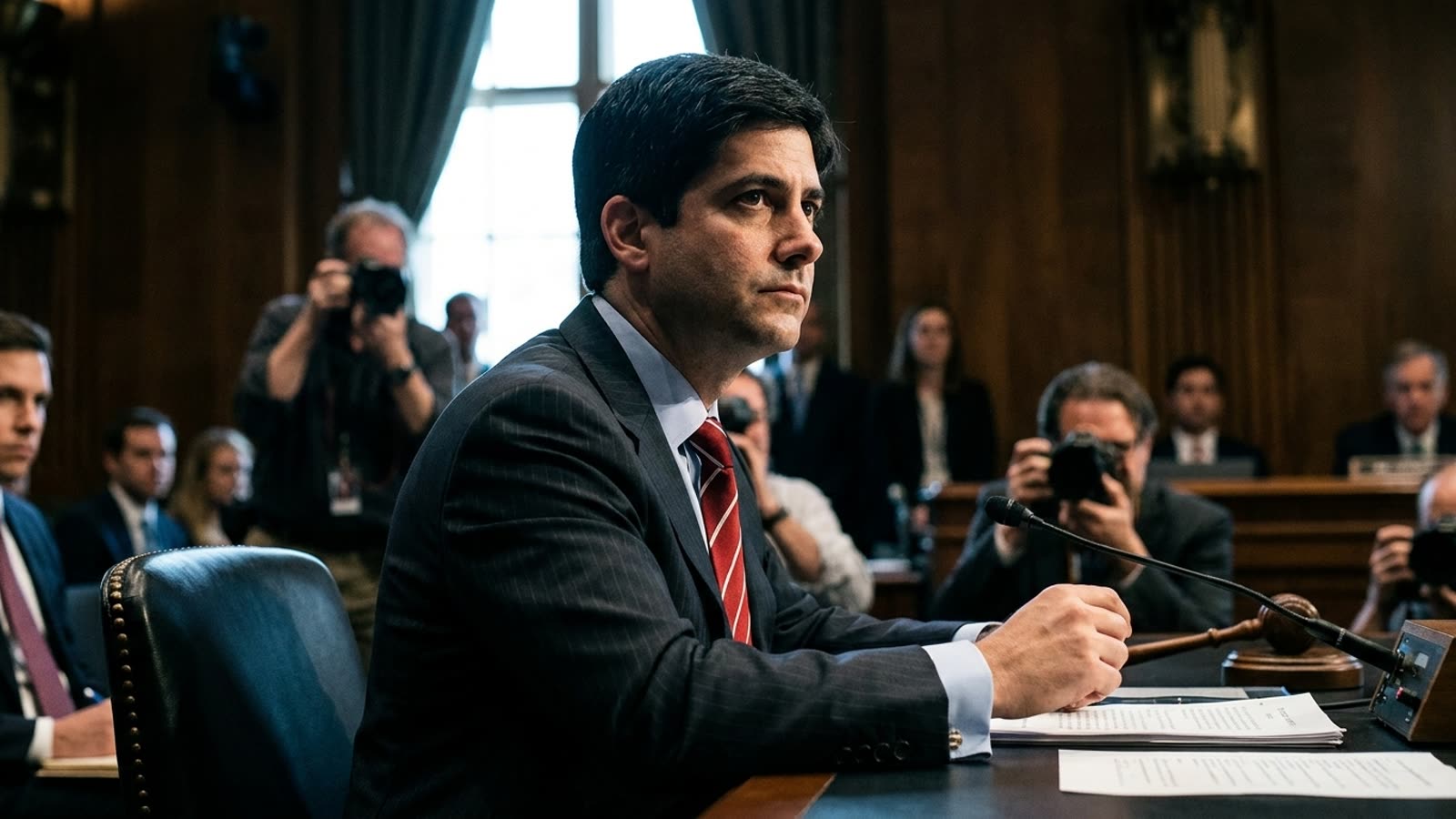
The Federal Reserve is about to undergo something rarer than a recession: a genuine philosophical rupture. Kevin Warsh, the former Fed governor who spent the past decade as one of the institution's sharpest external critics, will now run it — and he inherits an inflation problem that vindicates every hawkish instinct he's ever articulated.
This is not a personnel change. It is a regime change, in the precise sense that economists use the term: a fundamental reordering of how the central bank thinks about its mission, its tools, and its relationship to markets.
The Warsh doctrine
Warsh left the Fed in 2011 convinced that his former colleagues had become too enamored with unconventional policy — quantitative easing, forward guidance, the whole apparatus of post-crisis intervention. In speeches, op-eds, and a widely circulated 2016 paper, he argued that the Fed had strayed from price stability toward a de facto mandate of asset-price support. Central bankers, he warned, were creating the conditions for the next crisis by suppressing volatility and encouraging leverage.
Now he gets to test his theories with actual power. The timing is exquisite and brutal: inflation, which the previous Fed leadership insisted was transitory, has proven stubbornly persistent. The latest readings suggest price pressures are rebuilding rather than fading. Warsh inherits a policy rate already elevated by historical standards and a balance sheet still bloated from pandemic-era interventions.
Markets brace for discipline
Wall Street's initial reaction has been cautious rather than panicked, but the implications are significant. Warsh has been explicit that he believes markets have become too dependent on Fed backstops. The so-called "Fed put" — the assumption that the central bank will rescue investors from serious losses — may be about to expire.
This matters beyond trading floors. If Warsh follows through on his intellectual commitments, borrowing costs could remain elevated longer than markets currently price. The housing market, already strained, faces a chairman disinclined to engineer relief through rate cuts. Corporate treasurers who assumed cheap refinancing would return may need to revise their models.
The political dimension
Warsh's appointment also represents a bet by the administration that inflation control trumps short-term growth concerns. Previous Fed chairs have often been selected for their willingness to accommodate fiscal expansion. Warsh is, by temperament and conviction, unlikely to play that role. He has been critical of the coordination between monetary and fiscal policy that characterized the pandemic response, viewing it as a dangerous blurring of institutional boundaries.
This sets up potential friction. An administration pursuing ambitious spending programs will find a Fed chairman philosophically opposed to monetizing deficits. The independence of the central bank, often discussed in abstract terms, is about to be tested in concrete ones.
Our take
Warsh may prove to be exactly what the moment requires: a chairman willing to accept short-term economic pain to restore the Fed's credibility on inflation. Or he may discover that his theories work better in Hoover Institution seminars than in the Eccles Building. Either way, the era of the accommodative Fed — the institution that spent fifteen years telling markets it had their back — is ending. Investors, borrowers, and politicians who built strategies around that assumption should update their priors immediately.