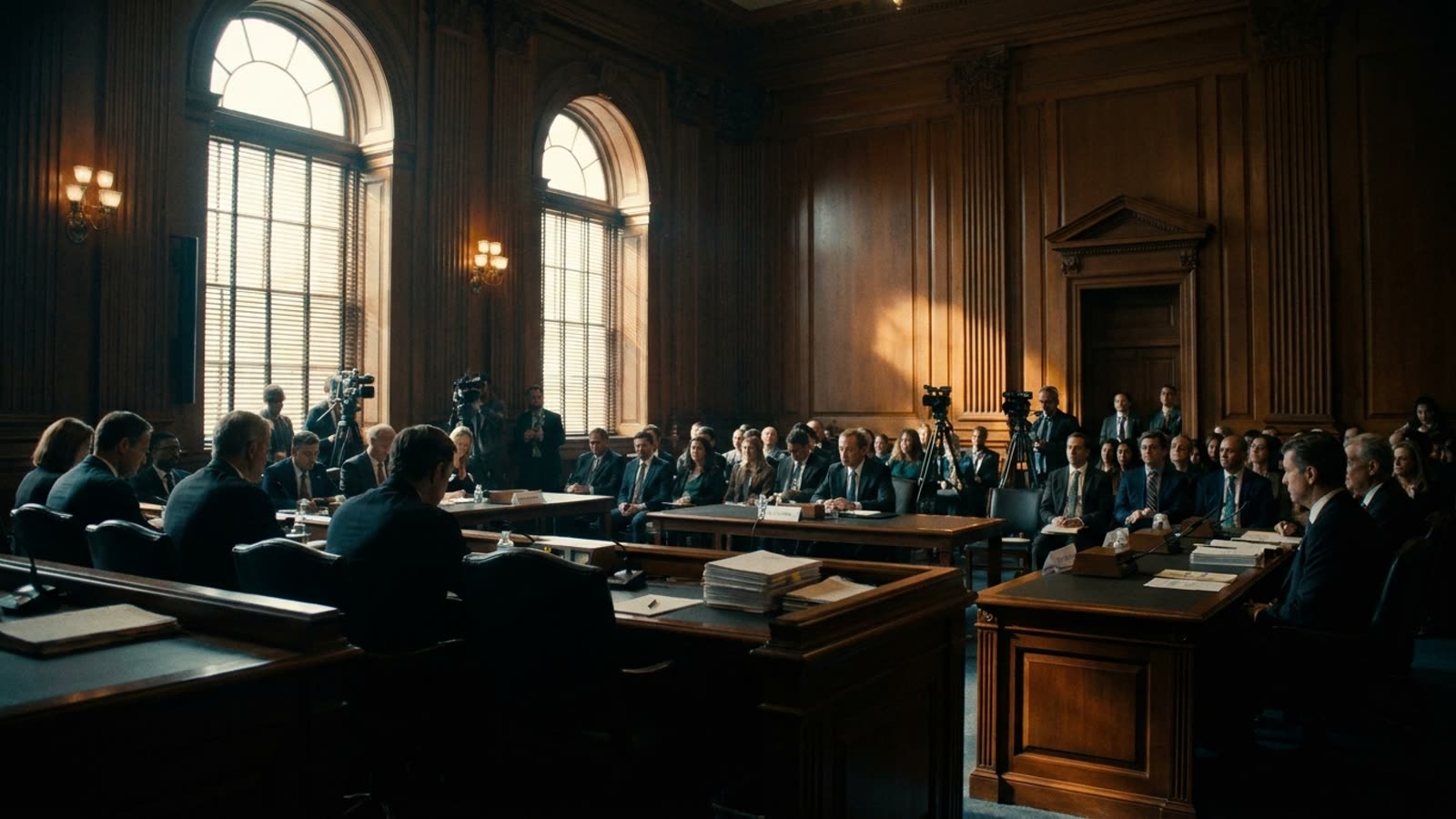
On the eve of an election the White House desperately needs to win, a federal magistrate judge handed the administration a humiliation it cannot spin away: the dismissal of charges against former FBI officials on the explicit grounds that the prosecution was a political operation orchestrated from 1600 Pennsylvania Avenue.
Judge Zia M. Faruqui did not mince words. The case, he wrote, was "rushed" and timed to influence the midterm elections — a finding that transforms what the administration had framed as accountability into what the judiciary now calls abuse of power. For a president who has spent years accusing the FBI of weaponization against him, the ruling is a brutal irony: the court found that it was the executive branch, not the bureau, that had corrupted the machinery of justice for electoral gain.
The timing was the tell
Prosecutors rarely bring complex cases against former senior law enforcement officials in the final weeks before an election. The reason is not squeamishness — it is logistics. Such cases require extensive grand jury work, document review, and coordination across agencies. Faruqui's ruling suggests the government skipped steps that would have been standard in any non-political prosecution, a haste the judge attributed directly to White House pressure. The administration has not yet indicated whether it will appeal, but any appeal would land well after tomorrow's vote, rendering the political calculus moot.
What it means for the midterms
Democrats have already seized on the ruling as evidence of authoritarian overreach, a closing argument that dovetails with their broader messaging about institutional erosion. Republicans, meanwhile, are left defending a prosecution that a Trump-appointed magistrate — Faruqui was elevated during the first Trump term — found constitutionally offensive. The White House's attempt to rally its base with a law-and-order headline has instead handed the opposition a judicial indictment of presidential conduct.
The precedent problem
Beyond the electoral implications, the ruling raises durable questions about executive influence over the Department of Justice. Faruqui stopped short of finding prosecutorial misconduct warranting sanctions, but his language — "ordered by the White House" — invites congressional inquiry and, potentially, inspector general review. Future administrations will cite this case when arguing for stricter firewalls between political staff and career prosecutors.
Our take
The administration wanted a scalp and got a mirror. Faruqui's ruling is not just a legal defeat; it is a narrative catastrophe, validating every Democratic claim about norm erosion at the precise moment voters are making up their minds. Whether that matters tomorrow depends on turnout, but the historical record is already written: a federal judge found that the president used the justice system as a campaign prop, and the system said no.