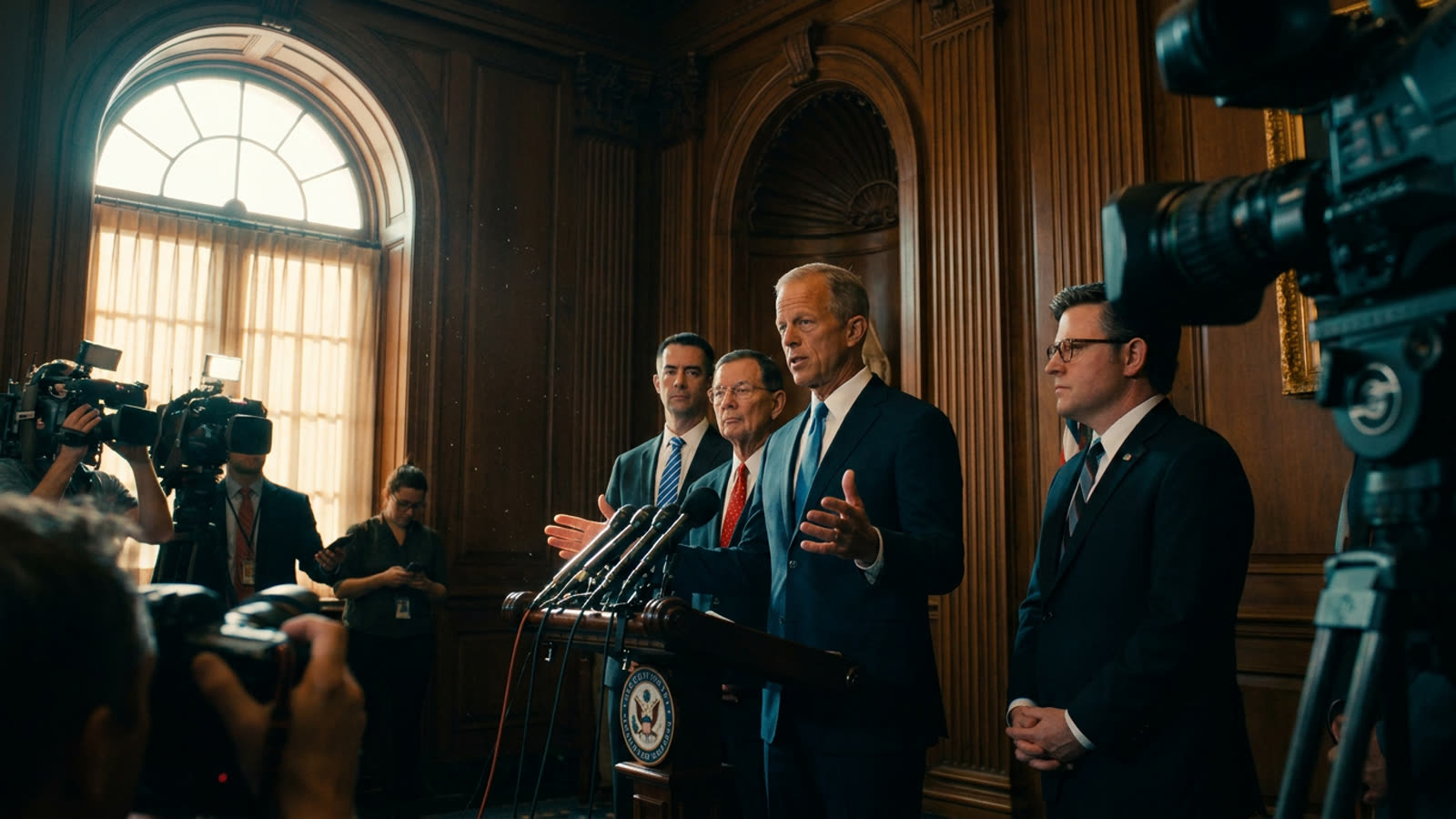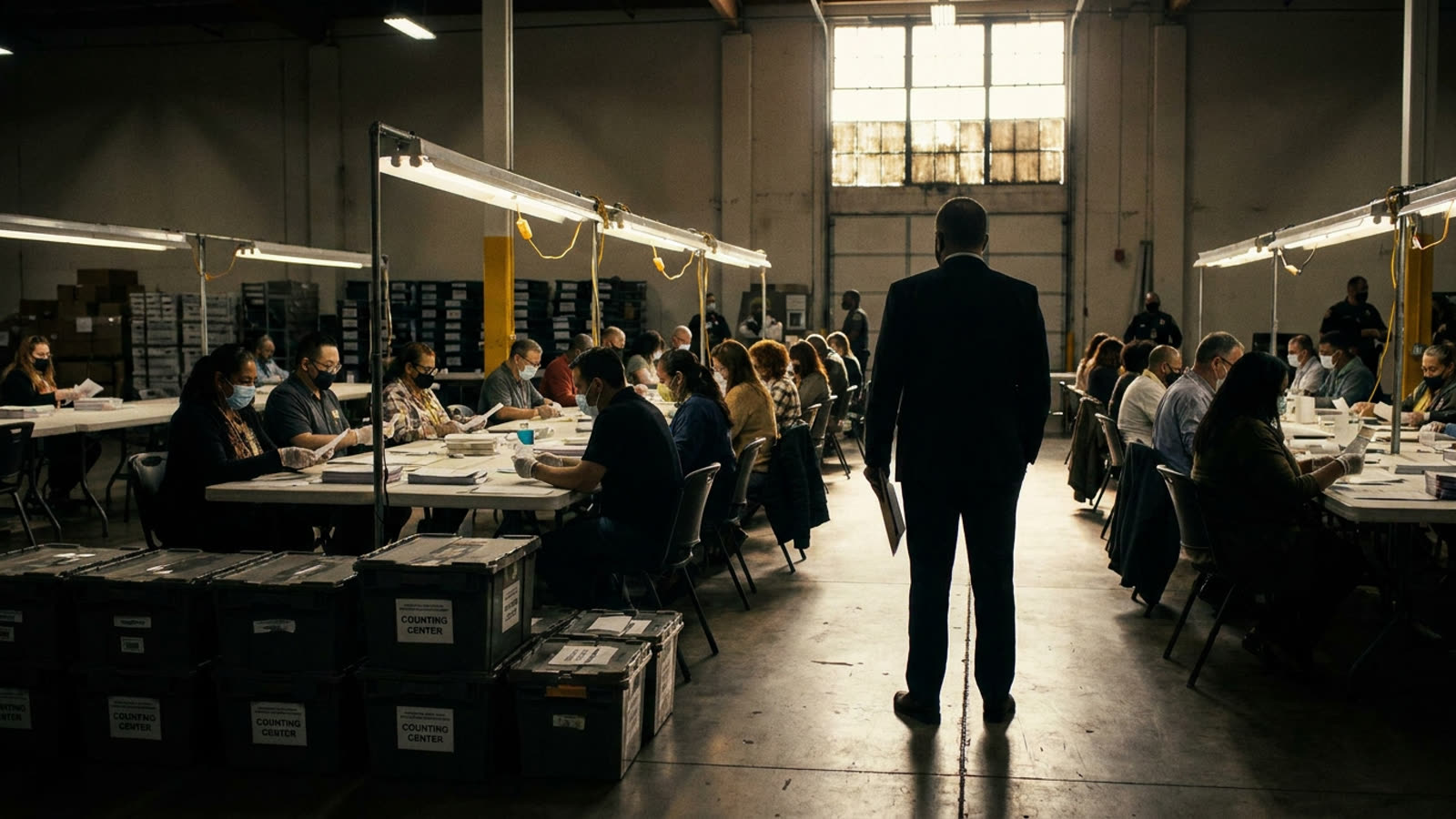
The Department of Justice has sent a federal prosecutor to observe ballot counting in Los Angeles, responding to President Trump's claims of electoral fraud in a city council race—claims for which he has offered no evidence. The move represents something more troubling than a waste of prosecutorial resources: it is the formal apparatus of federal law enforcement being deployed to validate conspiracy theories.
The Los Angeles election in question is a local affair, the sort of municipal contest that typically attracts attention only from neighborhood activists and the candidates' extended families. Yet the President of the United States has declared, without substantiation, that "cheating" is underway. And now a Justice Department lawyer sits in a counting room, clipboard presumably in hand, lending the imprimatur of federal authority to what began as a social media outburst.
The mechanics of legitimization
This is how norms erode—not through dramatic confrontation but through bureaucratic compliance. The DOJ has not alleged any crime. It has not obtained a court order. It has simply dispatched personnel because the President made accusations. The effect is to transform an evidence-free claim into something that looks like an investigation, complete with the visual of federal oversight.
Local election officials in Los Angeles now find themselves in an impossible position. They can hardly refuse federal observers without appearing to have something to hide. Yet by accommodating them, they participate in a theater that presumes their guilt. The asymmetry is elegant in its coerciveness: the accuser bears no burden of proof, while the accused must demonstrate innocence under federal scrutiny.
The broader pattern
This episode does not exist in isolation. The administration's "anti-weaponization fund"—the $1.8 billion slush fund that the DOJ itself now acknowledges is legally dead—was designed to redirect federal resources toward perceived political enemies. The LA deployment operates on the same logic, albeit at smaller scale: use the machinery of government to harass, intimidate, and delegitimize.
What makes this particularly insidious is its mundanity. A prosecutor observing ballot counting sounds reasonable, even responsible. Election integrity matters. But the predicate matters more. When federal intervention follows not from evidence but from presidential accusation, the rule of law becomes indistinguishable from the rule of whim.
Our take
The Justice Department's compliance here is more damaging than outright defiance would be. Defiance can be challenged, litigated, reversed. But quiet accommodation creates precedent. The next baseless claim will be easier to act upon, the one after that easier still. Los Angeles will finish counting its ballots, and some city council member will take office. The larger casualty is the principle that federal power requires justification beyond presidential displeasure. That principle is now observably negotiable.