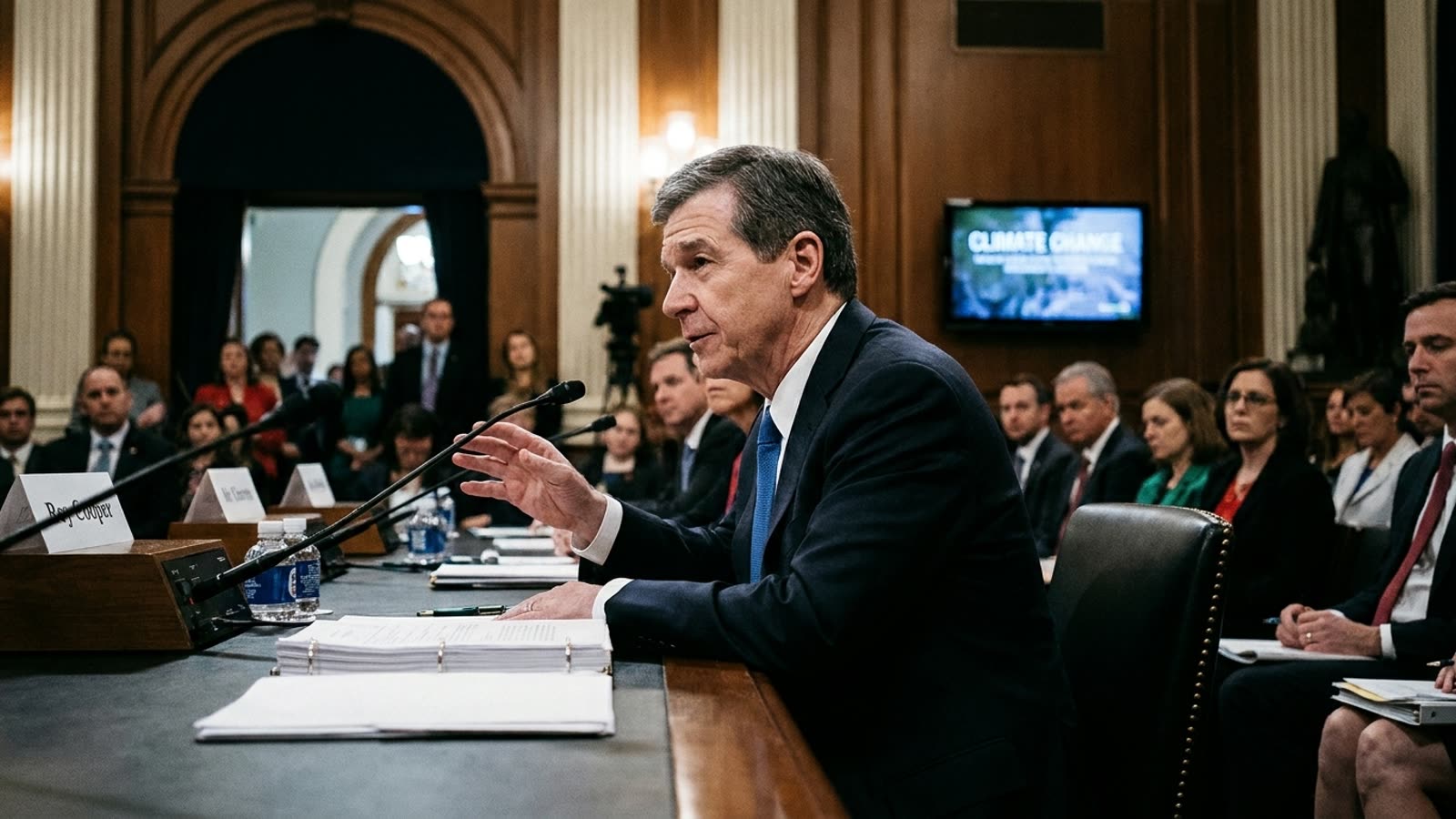
The Senate has flipped. Democrats picked up at least two Republican-held seats in the early hours of November 4, with former North Carolina governor Roy Cooper defeating his GOP rival and New Hampshire congressman Chris Pappas unseating Republican John Sununu. Jon Ossoff held Georgia for the party. The result ends Republican control of the chamber and transforms the final two years of Donald Trump's second presidency into a divided-government stalemate.
Cooper's win in North Carolina is the headline. The state has not sent a Democrat to the Senate since 2008, and Cooper—a two-term governor who left office in early 2025—ran a campaign that threaded the needle between suburban moderates and the party's progressive base. His message was straightforward: Trump's second term has been chaotic, his cabinet picks unqualified, his economic policy reckless. North Carolina's electorate, which swung narrowly for Trump in 2024, evidently agreed that a check was needed.
Pappas makes history, Sununu falls short
Chris Pappas becomes the Senate's first openly gay male senator, a milestone that arrives amid a national backlash against LGBTQ rights in several red states. Pappas, who has represented New Hampshire's First District since 2019, defeated John Sununu—son of the former governor and White House chief of staff—by focusing his campaign on healthcare, reproductive rights, and serving as a legislative brake on the Trump administration. Sununu, despite his famous name, could not overcome the state's moderate lean in a midterm environment that favored Democrats. New Hampshire has now elected Democratic senators in three consecutive cycles.
Ossoff's re-election in Georgia was less surprising but no less important. The 39-year-old senator, who won his first term in the 2021 special election, has spent two years building a national profile as a Trump antagonist. His victory over Republican Mike Collins cements Georgia's status as a swing state and suggests that the Democratic coalition that delivered the state in 2020 and 2021 remains intact, at least in federal races.
The referendum delivered
This was always going to be a referendum on Trump's second term, and the results are unambiguous. Voters in states that supported him two years ago have now handed the Senate to the opposition party. The implications are immediate: any Trump nominee for the Cabinet or the federal bench will face a Democratic majority. Any legislative priority—tax cuts, immigration reform, defense spending—will require bipartisan negotiation. The lame-duck presidency has arrived two years early.
The turnout was high, the issues were clear, and the outcome was decisive. Democrats framed the election as a choice between normalcy and chaos. Enough voters in enough places agreed.
Our take
This is what a functioning democracy looks like when it corrects course. Trump won in 2024 on promises of strength and economic revival; two years later, voters in purple states have decided that the reality has not matched the rhetoric. The Senate flip does not erase Trump's presidency, but it does constrain it. Cooper, Pappas, and Ossoff will arrive in Washington with mandates to block, to scrutinize, and to resist. Whether they govern or merely obstruct will define the next two years. For now, the electorate has spoken: the honeymoon is over.