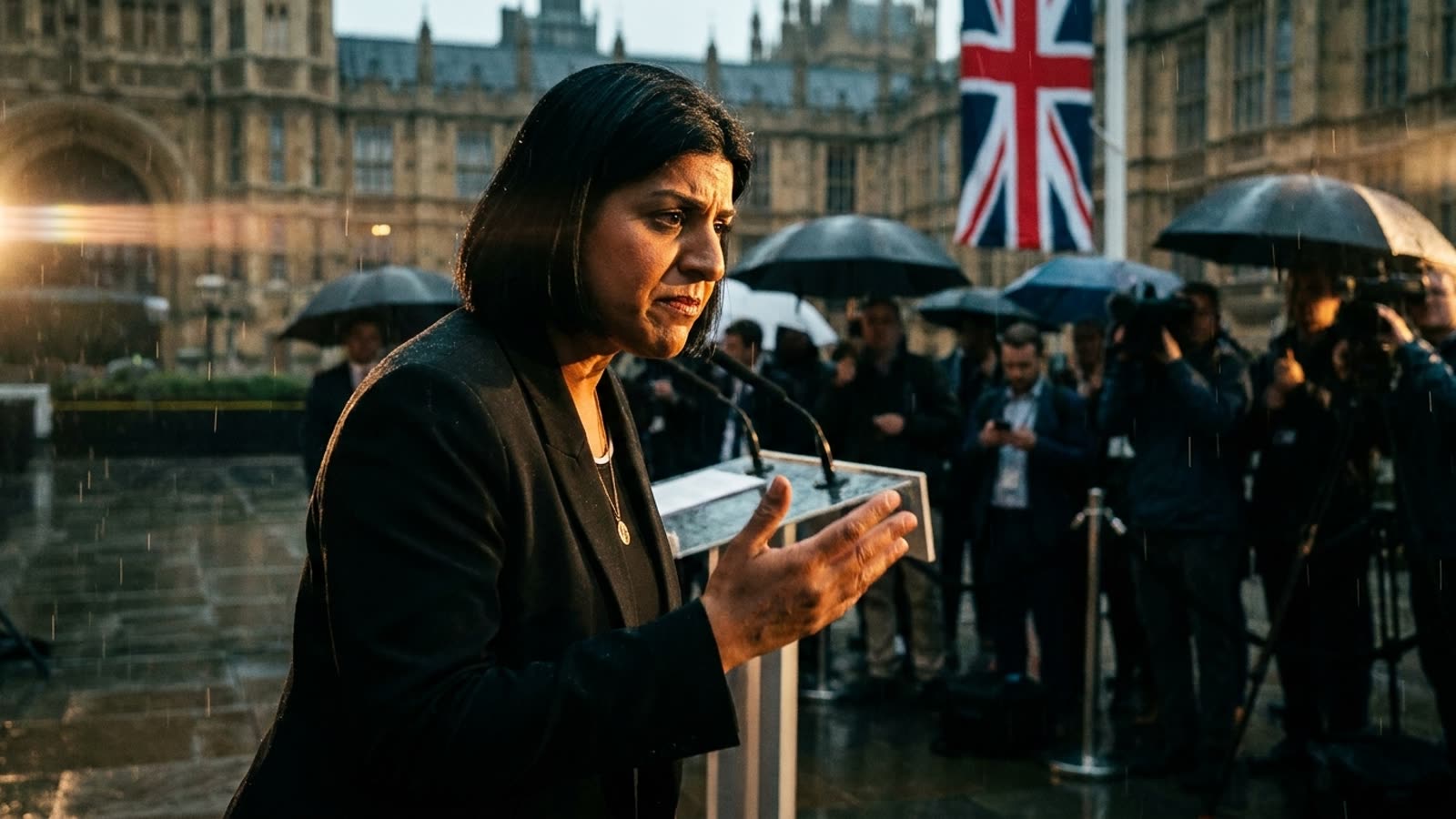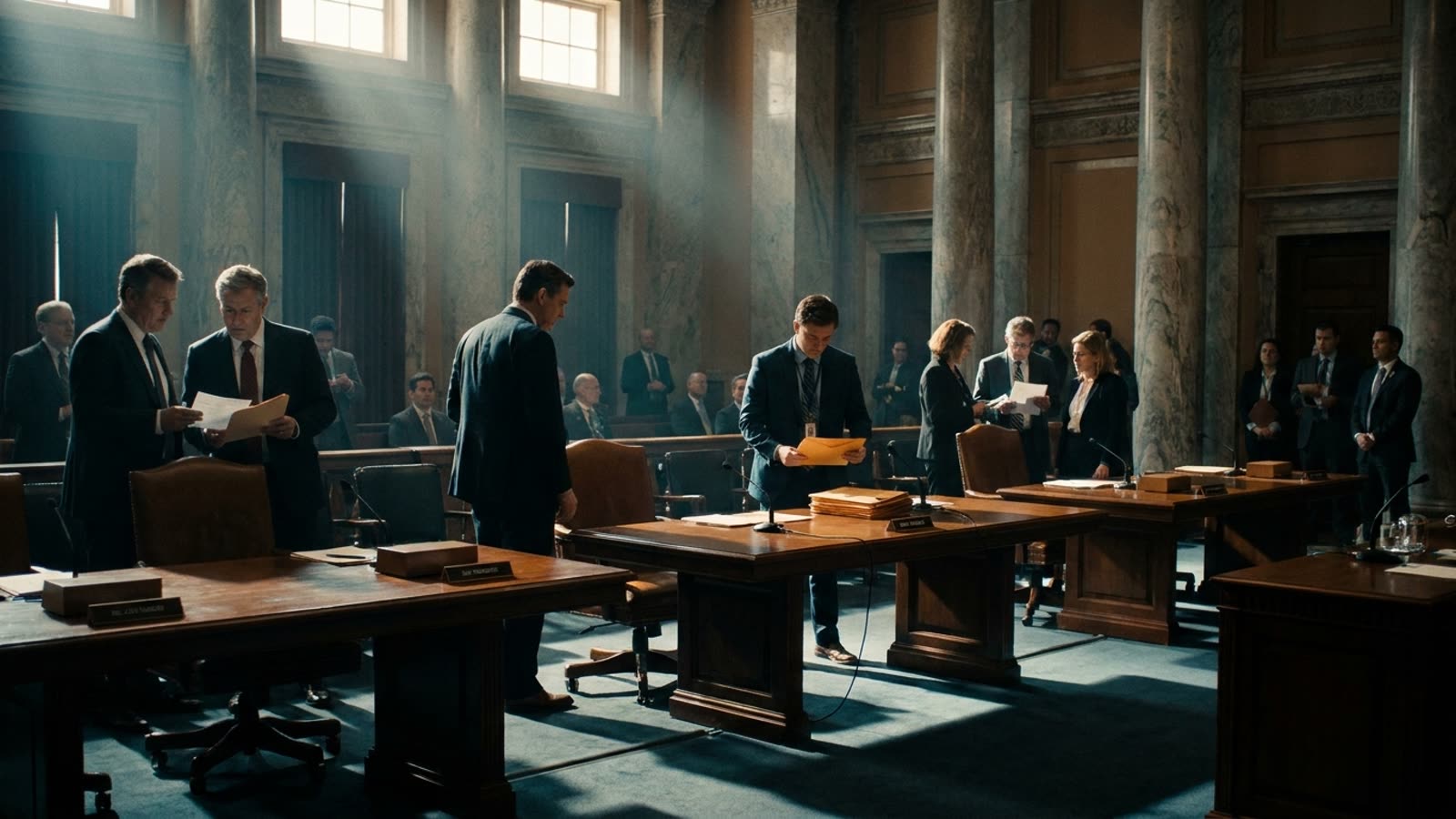
There is no such thing as an apolitical target letter delivered on Election Day.
The Justice Department's decision to notify Democratic figures in Alaska that they are subjects of a federal investigation—disclosed publicly as voters across the state cast ballots in one of the nation's closest Senate contests—represents something more brazen than the usual complaints about prosecutorial overreach. It is the weaponization of timing itself, a recognition that in modern politics the announcement of an investigation can matter as much as its outcome.
The incumbent Republican Dan Sullivan faces a genuine threat from Democrat Mary Peltola, a rematch of their 2022 contest that polls suggest is within a few percentage points. Alaska's ranked-choice system makes turnout and late momentum unusually consequential. Into this environment, the Justice Department has injected uncertainty, headlines, and the implication of Democratic wrongdoing—without any charges, any trial, or any verdict.
The target-letter playbook
Target letters are standard prosecutorial tools, notifications that an individual is likely to face charges and should consider legal representation. They are not indictments; they prove nothing. But their disclosure creates a news cycle, and news cycles move votes. The department's guidelines have historically discouraged overt investigative actions close to elections precisely because of this dynamic. Those norms have eroded.
The Alaska inquiry reportedly concerns prior election administration—the kind of sprawling, slow-moving investigation that could have produced notifications weeks earlier or weeks later without any procedural cost. The choice to act now, at the moment of maximum electoral impact, suggests the timing was not incidental.
What the administration gains
Even if the investigation ultimately produces nothing, the administration has achieved several objectives. It has planted doubt about Democratic integrity in a state where margins matter. It has signaled to Republican voters that their suspicions of fraud are being taken seriously at the highest levels. And it has established a precedent: that federal law enforcement can be deployed as a last-minute campaign surrogate without consequence.
The broader pattern is unmistakable. The administration has ramped up election-related litigation across multiple states, losing repeatedly in court but winning in the arena of public perception. Judges have rejected claims of voter fraud at every level, but the claims themselves generate coverage, and coverage generates belief.
Our take
The Justice Department is supposed to be insulated from electoral politics for a reason: because the power to investigate is the power to destroy, and that power must not be available to whoever holds the White House on a given Tuesday. What happened in Alaska is not a legal proceeding; it is an information operation conducted under the letterhead of federal law enforcement. Whether it swings the Senate race is almost beside the point. The precedent is the product.