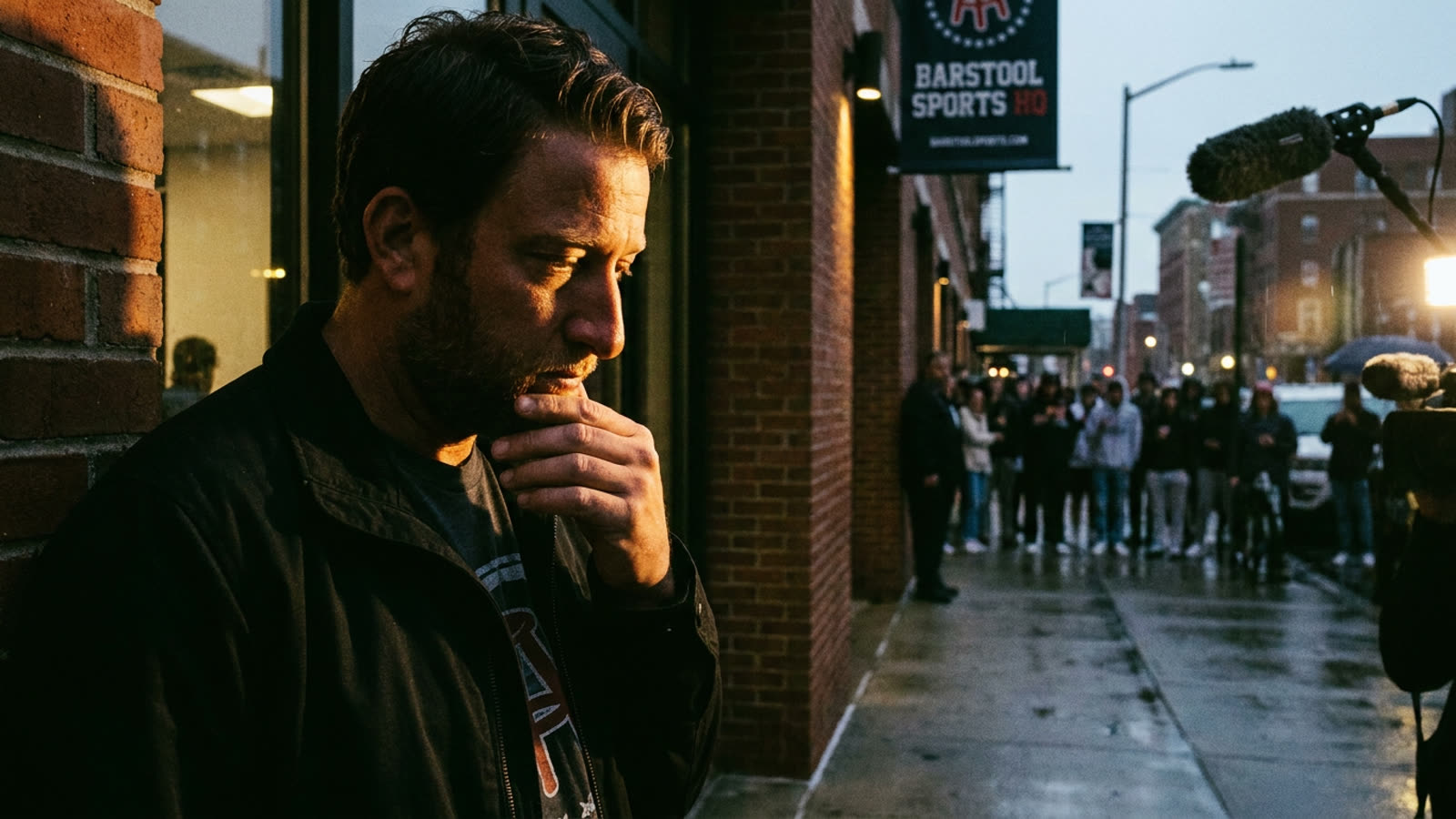
The Call Her Daddy defection remains the defining cautionary tale of the podcast gold rush, a saga involving leaked contracts, burner accounts, and the kind of public mudslinging usually reserved for celebrity divorces. Now Dave Portnoy, never one to let a narrative escape his control, has decided to relitigate the whole mess—and his account is less a revelation than a confirmation of everything observers suspected at the time.
Portnoy's version centers on what he frames as betrayal: Alex Cooper and Sofia Franklyn built their show under Barstool's roof, benefited from its promotional machinery, then sought to extract themselves when Spotify came calling with serious money. The facts aren't really in dispute. What's illuminating is Portnoy's continued inability to understand why two young women might have wanted out of a contract that gave them a fraction of the value they were creating.
The economics of resentment
When Call Her Daddy launched in 2018, Cooper and Franklyn signed the kind of deal that favors the house: modest salaries, limited ownership, standard non-competes. By 2020, the show was generating millions in advertising revenue and had become Barstool's most valuable podcast property. The hosts wanted renegotiation; Portnoy wanted gratitude. The impasse that followed—complete with Portnoy releasing internal communications and the hosts going silent for months—became a masterclass in how not to manage talent.
Cooper eventually returned to Barstool, negotiated a better deal, then left for Spotify in 2021 for a reported nine-figure sum. Franklyn's career never recovered the same momentum. Portnoy got to keep the moral high ground in his own telling, which appears to be the currency he values most.
Why this matters now
The podcast industry has matured considerably since the Call Her Daddy wars. Talent now arrives with lawyers and agents who've studied exactly this playbook. The era of hosts signing away their futures for a studio and a microphone is largely over, and the Barstool saga is taught in entertainment law courses as exhibit A.
Portnoy's decision to revisit the story now suggests either a promotional strategy or an inability to stop picking at old wounds. Given his track record, both explanations seem equally plausible. What he presents as vindication reads more like an extended grievance—the same grievance, notably, that drove the original conflict.
Our take
Portnoy built Barstool by understanding that controversy is content and that his audience will always side with him against perceived disloyalty. The Call Her Daddy breakup was, in that sense, perfect Barstool programming: messy, personal, and impossible to look away from. But his continued insistence on relitigating it reveals the limitation of the Portnoy worldview. He cannot fathom that Cooper and Franklyn weren't ungrateful—they were rational actors who recognized their leverage and used it. That's not betrayal. That's business. The fact that he still doesn't see the difference is why the next Alex Cooper will also leave.