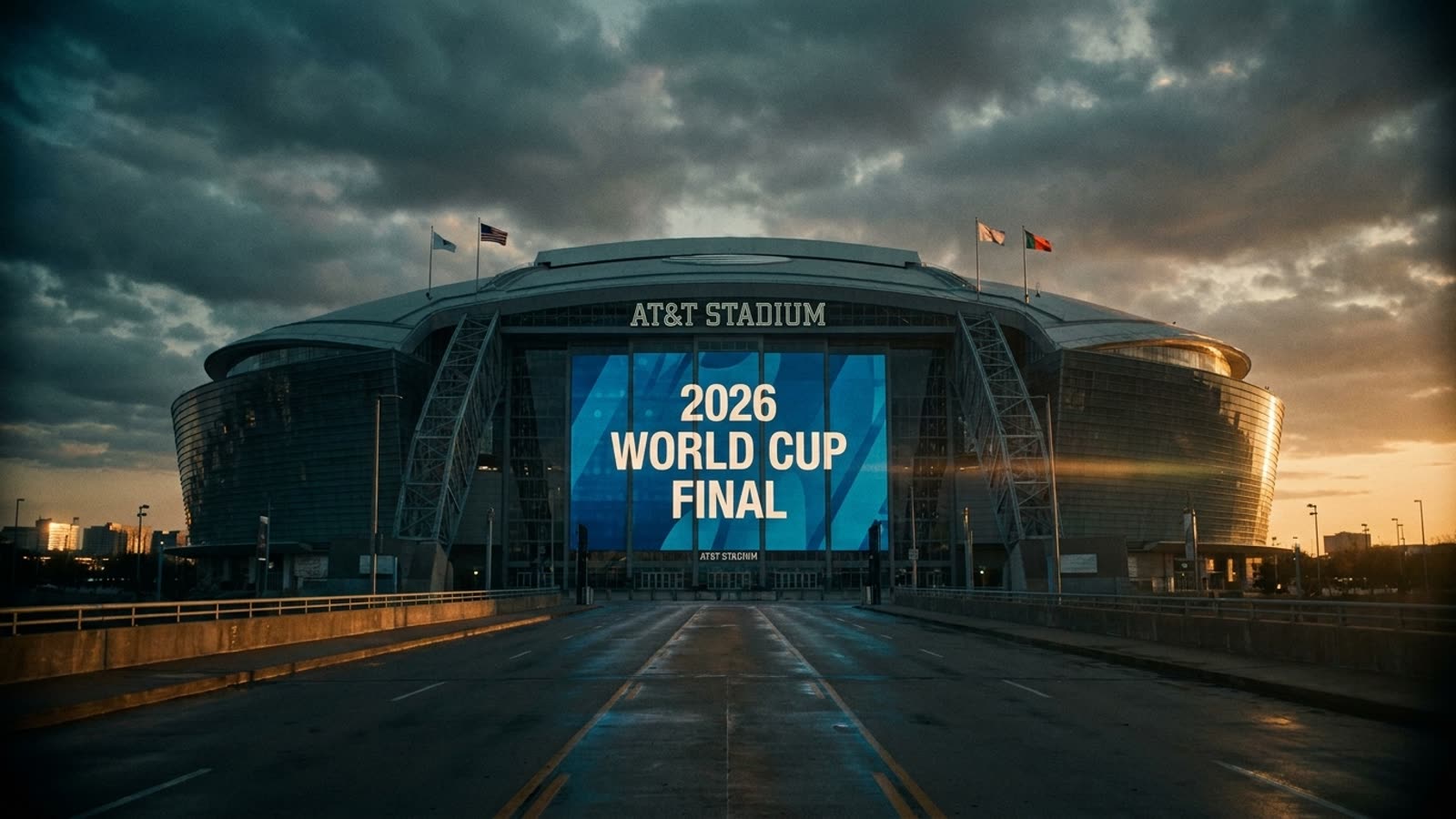
The most important match in football will be played under a retractable roof in Arlington, Texas, and the reasons have almost nothing to do with football.
When FIFA announced that AT&T Stadium would host the 2026 World Cup final, the governing body emphasized the venue's 80,000-seat capacity, its climate-controlled environment, and its proximity to Dallas-Fort Worth International Airport. What went unmentioned was atmosphere, history, or any quality that might distinguish a World Cup final from a particularly well-attended corporate retreat. The decision reveals FIFA's priorities with uncomfortable clarity: the final is a product to be optimized, not a moment to be curated.
The spreadsheet case for Dallas
On paper, AT&T Stadium is difficult to fault. The venue offers more luxury suites than any stadium in the tournament, a consideration that matters enormously when FIFA's hospitality packages start at five figures. The retractable roof eliminates weather risk in a month when Texas temperatures routinely exceed 35°C. The surrounding infrastructure—hotels, highways, parking—can absorb the logistical strain of 100,000 visitors descending on a single location. Jerry Jones spent $1.3 billion building a facility designed to host exactly this kind of event.
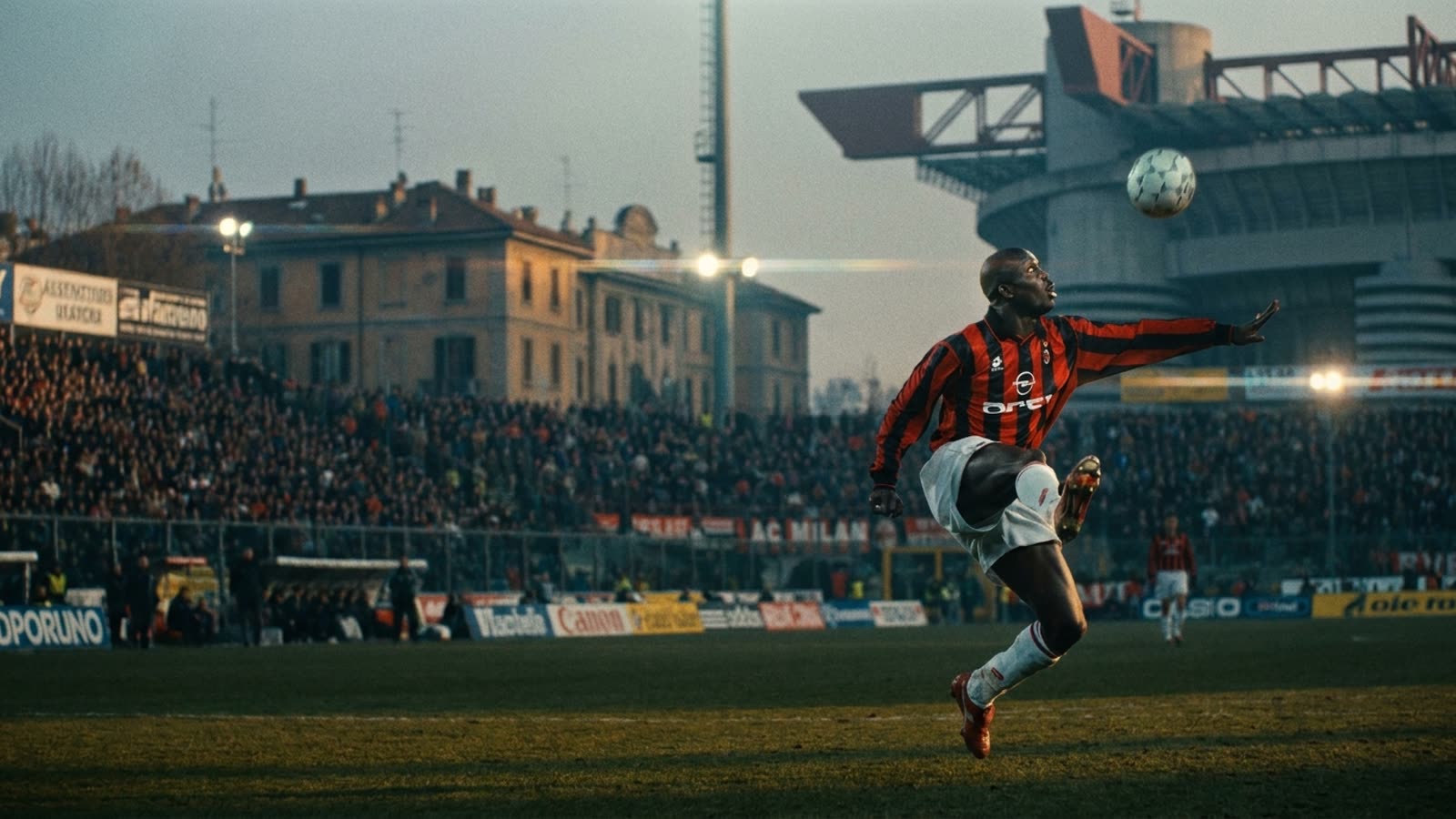
The problem is that World Cup finals are not supposed to be events. They are supposed to be occasions, and the distinction matters. The Maracanã in 1950, the Azteca in 1986, the Stade de France in 1998—these venues carried weight beyond their seating charts. They were places where history had already happened, and where history would happen again. AT&T Stadium has hosted Super Bowls, college football championships, and a memorable WrestleMania. It is a venue of competence, not resonance.
What gets lost under a roof
The decision to play indoors represents a philosophical departure from World Cup tradition. Football at its highest level is meant to be contested against the elements—the rain that turned the 1966 final into a mud fight, the altitude that shaped Mexico's tournaments, the Mediterranean heat that defined Italia '90. These conditions are not obstacles to be engineered away; they are part of the sport's character.
There is also the matter of sound. Retractable-roof stadiums produce a particular acoustic signature: loud but diffuse, impressive but artificial. The roar of a crowd in an open-air bowl builds and crashes like weather. The noise in a domed stadium simply fills space. Players notice the difference. So do broadcasters. Whether viewers at home will register the flatness is an open question, but those present certainly will.
The revenue imperative
None of this is accidental. FIFA's commercial model depends on maximizing revenue from premium ticketing, and AT&T Stadium offers more premium inventory than any alternative. The organization's broadcast contracts assume a certain production quality that weather could theoretically disrupt. The American co-hosts, who invested heavily in winning the bid, expected the final as a centerpiece. Dallas delivered the most persuasive package, and persuasion in FIFA's world is measured in dollars and guarantees.
The counterargument is that none of this will matter if the match itself is memorable. A classic final—a last-minute winner, a penalty shootout, an individual performance for the ages—will render the venue irrelevant. This is true, but it is also a defense of mediocrity. Great sporting events deserve great stages. The 2026 final will have an adequate one.
Our take
FIFA made a defensible choice and a dispiriting one. AT&T Stadium will deliver a technically flawless broadcast, a comfortable experience for wealthy ticket holders, and a final that looks identical to every other major American sporting event. What it will not deliver is the sense that something irreplaceable is happening in an irreplaceable place. The World Cup final should feel like a pilgrimage, not a transaction. Dallas feels like a transaction.